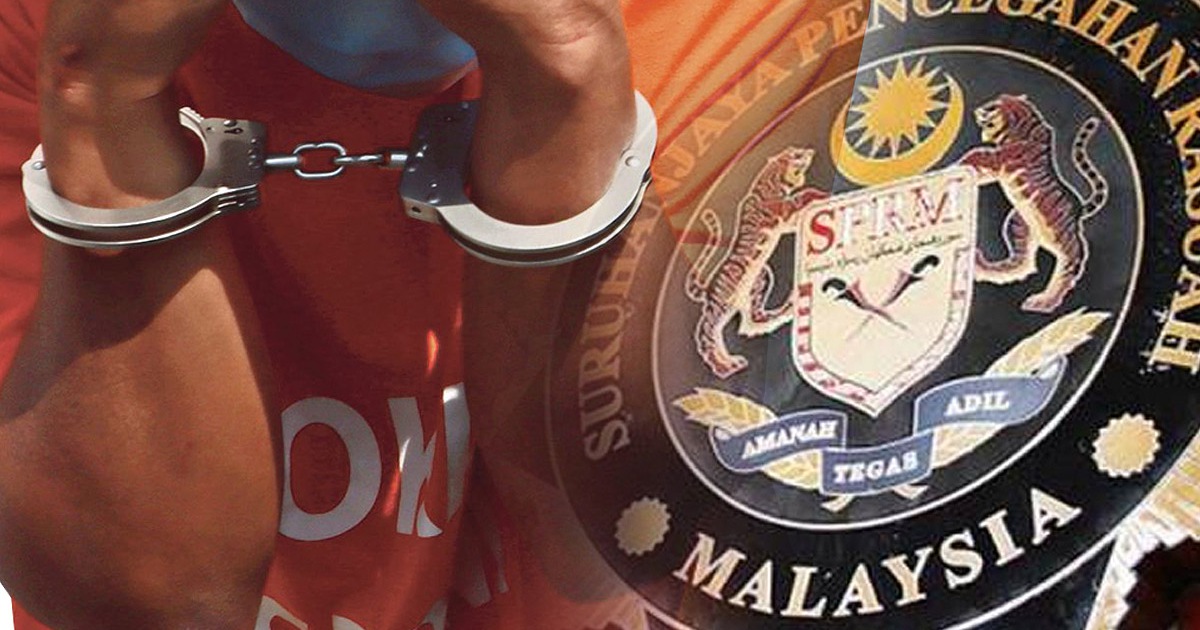
A project manager detained by the Malaysian Anti-Corruption Commission (MACC) in Kota Baru has secured release on bail while investigations continue into allegations of a RM38,000 bribery scheme. The individual's remand came as authorities worked to establish the facts surrounding the suspected corrupt transaction, with the bail arrangement allowing the suspect to remain free pending further inquiries.
The MACC's decision to grant bail marks a procedural development in an ongoing anti-corruption investigation that touched on potential misconduct within project management circles. Such cases frequently involve scrutiny of transactions between contractors, supervisors, and officials responsible for overseeing large-scale developments across Malaysia. The agency's move reflects standard practice when investigators believe they have gathered sufficient preliminary information from the detainee while requiring continued cooperation.
Bribery allegations of this magnitude typically trigger comprehensive examinations of financial records, communication trails, and witness statements. Project management roles often position individuals at critical junctures where resources are allocated, decisions made about vendor selection, and approvals granted. When corruption is suspected at such levels, it can indicate systemic vulnerabilities in procurement oversight or governance frameworks within organisations.
The RM38,000 figure, while substantial, represents only one potential transaction within broader investigative patterns. Authorities often discover that suspected bribery cases involve multiple episodes, undisclosed payments, or arrangements spanning longer periods than initial allegations suggest. The decision to release this suspect on bail rather than seek extended remand suggests investigators have gathered adequate statements and preliminary evidence to proceed without continued custody.
For Malaysian readers and the business community, such cases underline persistent challenges in maintaining integrity within project management sectors. Despite regulatory frameworks and oversight bodies, corruption allegations continue to surface across industries managing significant public or private capital. The construction, infrastructure, and development sectors remain particularly vulnerable to such misconduct, given the substantial sums involved and complexity of approval chains.
The MACC's continued investigation will likely examine whether this individual acted independently or as part of a wider scheme involving multiple parties. Project managers often occupy positions where they interact with senior officials, procurement officers, and senior management—relationships that require clear ethical boundaries. When those lines blur, consequences extend beyond individual misconduct to damage organisational reputation and public confidence.
Bail conditions typically impose restrictions on movement and require regular check-ins with authorities, ensuring suspects remain available for questioning. The suspect's release enables them to marshal legal representation and prepare for potential further interviews or, ultimately, prosecution proceedings. Malaysian legal procedure allows investigators to recall released suspects if new evidence emerges or if bail conditions are breached.
The Kota Baru jurisdiction highlights that anti-corruption investigations extend across Malaysia's states, not concentrated solely in urban centres. Regional projects and state-level development initiatives face the same scrutiny as federal undertakings. This geographic spread reflects MACC's nationwide mandate and demonstrates that authorities maintain active corruption-fighting capacity throughout the country.
Stakeholders in project-based industries—from engineering firms to construction companies and consulting groups—increasingly recognise that individual misconduct generates institutional liability. Organisations now implement stronger internal controls, ethics training, and whistleblower mechanisms to minimise exposure. However, cases like this one remind businesses that determined individuals seeking illicit gains can sometimes circumvent safeguards.
The distinction between investigation phase and potential prosecution matters considerably. While the RM38,000 allegation prompted detention and investigation, investigators must build cases that withstand legal scrutiny. Prosecutors require evidence meeting criminal burden-of-proof standards before charges can proceed. This investigative process typically involves gathering documentary evidence, corroborating witness accounts, and establishing clear chains of custody for physical exhibits.
For enforcement agencies, such cases provide insights into emerging corruption methods and vulnerabilities. Systematic analysis of detected misconduct helps identify patterns, training practitioners to recognise warning signs in future scenarios. The MACC leverages intelligence from individual cases to inform sector-wide recommendations and best-practice guidance.
As investigations advance, outcomes may involve charges against the released project manager or other individuals implicated through the inquiry process. Public reporting of eventual verdicts or prosecutorial decisions helps deter potential offenders and demonstrates that Malaysian anti-corruption efforts produce consequences. The present bail release simply marks an interim stage in a process likely extending months or longer before final resolution.

