The humble garden, long regarded as a sanctuary for growing fresh produce and connecting with nature, faces an invisible threat that most Malaysian gardeners barely consider: microplastics seeping into the very soil that nourishes our vegetables and herbs. These microscopic particles, created when plastic products degrade over time, have become ubiquitous in our environment—detected in drinking water, food crops, and even human bloodstreams. Yet few realise that the gardening supplies we purchase and use routinely contribute to this problem, steadily contaminating the soil ecosystem we depend upon.
The sources of microplastic contamination in gardens are diverse and often overlooked. Beyond the obvious plastic pots and seed trays sitting in nurseries, gardeners unknowingly introduce microplastics through soil amendments in plastic bags, landscape fabrics, plastic mulches, synthetic fertiliser containers, and even the degrading plastic labels left on plant pots. Over tropical Malaysia's hot, humid seasons, ultraviolet exposure and moisture accelerate the breakdown of these materials into tiny fragments that work their way into the soil structure. Soil itself, which teems with millions of beneficial bacteria and fungi essential for healthy plant growth, becomes a repository for these harmful particles. The concern extends beyond the garden boundary—microplastics eventually enter the food chain through the vegetables we harvest and consume.
Understanding the problem is the first step, but gardeners need practical solutions that don't require abandoning their hobby or dramatically increasing costs. One effective alternative to conventional plastic seed-starting trays involves investing in a soil-blocking kit, a low-cost reusable tool that has gained traction among environmentally conscious growers worldwide. These kits use metal moulds to compress a mixture of compost, peat moss, perlite, and nutrients into free-standing soil cubes. Beyond eliminating plastic waste, this method benefits seedlings in a physiological way: as roots reach the edges of the blocks and encounter air, they naturally prune themselves rather than circling endlessly as they do in cramped plastic pots. This air-pruning creates denser, stronger root systems that transplant more successfully into garden beds.
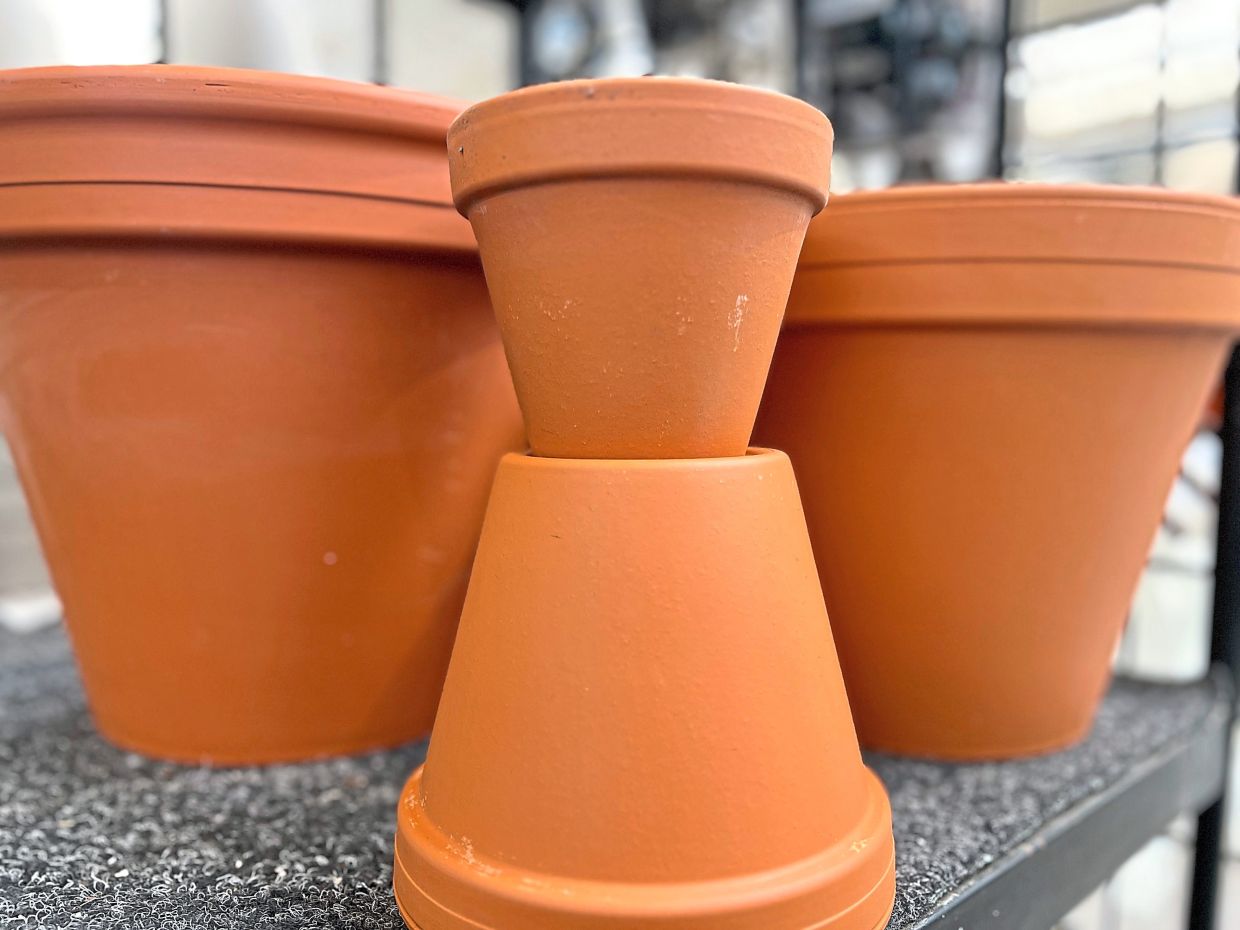
For those less inclined toward DIY approaches, several commercially available alternatives exist that perform admirably in Malaysian gardens. Biodegradable containers made from coir (coconut husk fibre) or composted manure offer an attractive middle ground—they look understated and neutral, yet completely decompose when planted directly into soil. For larger plants and permanent installations, natural materials like terracotta, wood, and stone provide aesthetically pleasing options that improve with age rather than degrading into toxic fragments. Fabric grow bags, increasingly popular among Malaysian vegetable gardeners for growing tomatoes, herbs, and root crops, represent another smart choice; naturally-fibred versions (not synthetic polymers) offer flexibility and durability while allowing excellent drainage and air circulation that plastic pots cannot match. Some premium potato-growing bags even feature convenient roll-up doors that simplify harvesting.
Purchasing decisions at the nursery stage significantly shape a garden's environmental footprint. Whenever available, choosing bare-root plants rather than those sold in plastic containers eliminates unnecessary packaging at the source. This practice proves particularly valuable for popular Malaysian crops like herbs and ornamentals. Similarly, bulk compost purchasing reduces both plastic bag waste and costs compared to bagged alternatives—a win for household budgets and environmental conscience alike. Starting a home compost pile transforms kitchen and garden waste into valuable soil amendment while providing complete transparency about what nutrients and materials actually enter the growing environment. For those without space for composting, sourcing bulk materials from local suppliers builds community connections while minimising packaging waste.
Beyond containers and soil, the protective coverings and support systems gardeners employ warrant careful examination. Landscape fabric, widely marketed as a weed-suppression solution, degrades into microfibre particles that contaminate soil for years after installation. Traditional canvas tarps serve the same protective purposes without environmental cost. Similarly, stakes and supports crafted from bamboo, untreated wood, or metal outlast and outperform plastic alternatives while adding visual character to garden beds. Natural twines made from hemp or jute secure climbing plants without introducing synthetic fibres into the ecosystem. Even plant markers, those seemingly trivial items cluttering garden beds, can transition from plastic to wooden popsicle sticks that eventually decompose harmlessly.
The cumulative impact of these individual choices deserves emphasis, particularly for Malaysian gardeners who increasingly recognise food safety and environmental stewardship as interconnected concerns. A single garden employing multiple microplastic-reduction strategies prevents hundreds of plastic fragments from entering local soil systems annually. Multiplied across the growing number of suburban and urban gardeners across Malaysia, such collective action meaningfully slows the contamination of food-growing environments. These changes also deliver tangible financial benefits—bulk purchases, reusable equipment, and eliminated packaging costs offset any premium paid for natural materials.
For gardeners unable to eliminate plastic entirely, strategic choices about which items justify plastic construction offer a pragmatic compromise. Single-use plastic trays destined for disposal after one season represent indefensible waste, while heavy-duty plastic containers designed for decades of seasonal use present a more defensible choice. The goal remains progress rather than perfection—gradually transitioning gardens toward closed-loop systems that generate minimal plastic waste while producing abundant, contamination-free food. As environmental awareness spreads among Malaysian gardeners, this transition from plastic-dependent practices toward sustainable alternatives becomes increasingly achievable and, ultimately, inevitable.

