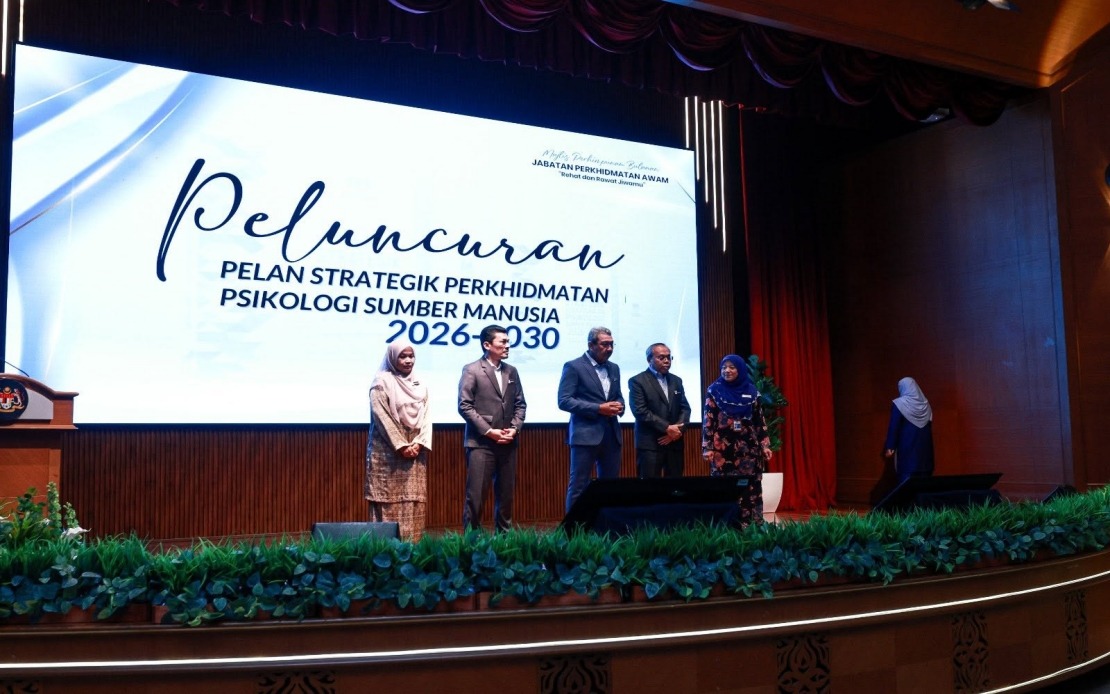
The Public Service Department launched its Human Resources Psychology Services Strategic Plan 2026-2030 at the PSD Monthly Assembly in Putrajaya on June 19, marking a significant institutional commitment to prioritising mental health across Malaysia's federal workforce. The comprehensive roadmap encompasses 12 strategic pillars, 22 distinct programmes, and 48 key performance indicators aimed at fostering psychological resilience among civil servants. The launch, presided over by Public Service Director-General Tan Sri Wan Ahmad Dahlan Abdul Aziz, signals a coordinated government effort to reshape workplace culture and destigmatise mental health support within public administration.
The strategic initiative centres on two foundational concepts that PSD intends to embed throughout the federal bureaucracy. The first concept emphasises "Rest"—acknowledging that civil servants require genuine respite and recovery periods to maintain optimal functioning. The second, "Treat", encourages proactive engagement with psychological services, requiring employees to overcome internal barriers and seek professional assistance before conditions deteriorate. In articulating these principles, PSD's leadership framed mental wellness not as an individual responsibility alone but as an organisational imperative, stressing that institutional health directly correlates with the psychological well-being of its members.
Tan Sri Wan Ahmad Dahlan's remarks during the assembly underscored a cultural transformation within government ranks. He emphasised the necessity of dismantling persistent stigma surrounding mental health interventions, a critical concern in Southeast Asian professional environments where discussing psychological difficulties remains culturally fraught. By encouraging civil servants to voice concerns and access professional support without shame, PSD aims to normalise mental health discussions across hierarchies and departments. This directional shift reflects global best practices and acknowledges that workplace silence around psychological struggles often exacerbates problems rather than resolving them.
The new strategic plan complements PSD's broader organisational reform agenda, particularly the H.E.M.A.T work culture framework introduced previously. That initiative targets governance modernisation, public empathy, progressive employee mindsets, innovation appreciation, and transparent administration. The psychological services plan can be understood as the humanistic dimension of these systemic reforms, operationalising the empathy and progressive mindset elements through concrete mental health infrastructure. Together, these frameworks represent a coordinated attempt to reshape how Malaysia's federal administration functions at both structural and interpersonal levels.
The concept of "Rawat" (treatment/care in Malay) that PSD promotes reflects culturally contextualised language around intervention. Rather than importing terminology from Western psychological frameworks exclusively, the department has embedded local linguistic and cultural markers into its mental health language. This approach potentially increases accessibility and resonance among civil servants from diverse linguistic and cultural backgrounds. The proactive intervention model embedded in "Rawat" also shifts responsibility frameworks—rather than waiting for crises to emerge, the approach encourages early identification and prevention.
The 48 key performance indicators represent an attempt to quantify and track implementation of the strategic plan. Such metrics typically measure programme participation rates, employee satisfaction scores, reduction in stress-related absences, and counselling service utilisation. However, psychological well-being proves notoriously difficult to measure through conventional metrics, suggesting PSD faces substantive challenges in assessing whether cultural attitudes genuinely shift or merely compliance reporting improves. The success of this initiative will ultimately depend less on achieving numerical targets than on whether federal employees feel genuinely supported and empowered to prioritise their mental health.
For Malaysia's broader public sector and Southeast Asian governments observing such initiatives, this strategic plan represents an important precedent. Civil service mental health remains underfunded and under-prioritised across the region, with many governments treating psychological services as peripheral benefits rather than essential infrastructure. PSD's formalisation of mental health through a five-year strategic plan with dedicated resources, multiple programmes, and explicit performance monitoring establishes a template that neighbouring countries might consider replicating or adapting.
The timing of this initiative merits consideration within Malaysia's contemporary policy environment. Post-pandemic, civil services globally have grappled with increased mental health challenges among employees, with remote work arrangements, organisational restructuring, and economic pressures creating sustained psychological strain. PSD's launch recognises these pressures and positions mental health support as integral to workforce stability and productivity rather than as a charitable gesture. This framing aligns private-sector interests with employee well-being, potentially securing sustained institutional support for programmes.
Implementation challenges will likely emerge during the 2026-2030 period. Training sufficient numbers of qualified mental health professionals to serve Malaysia's federal workforce requires substantial investment in education and professional development. Geographic disparities in access to services will complicate uniform implementation across peninsular and East Malaysian states. Additionally, ensuring that supervisors and senior officials genuinely support employee engagement with psychological services—rather than viewing such engagement as weakness or disloyalty—demands cultural work beyond policy documents.
The strategic plan's emphasis on proactive intervention suggests PSD recognises that crisis-response approaches to mental health prove costly and ineffective. Preventative frameworks that build psychological resilience through training, stress management programmes, and peer support systems offer more sustainable returns on investment. By encouraging early engagement with support services and normalising discussions of psychological challenges, PSD potentially prevents severe mental health crises that would otherwise force employees into extended leave or early retirement.
For Malaysian civil servants, the plan offers potential improvements in workplace well-being infrastructure and institutional acknowledgment that mental health matters. However, real outcomes depend on whether senior leadership consistently models vulnerability and support-seeking behaviour, whether resource allocation matches ambitious programme targets, and whether the stated anti-stigma commitments translate into changed workplace practices. The strategic plan represents a necessary starting point in addressing a long-neglected dimension of public service management.

