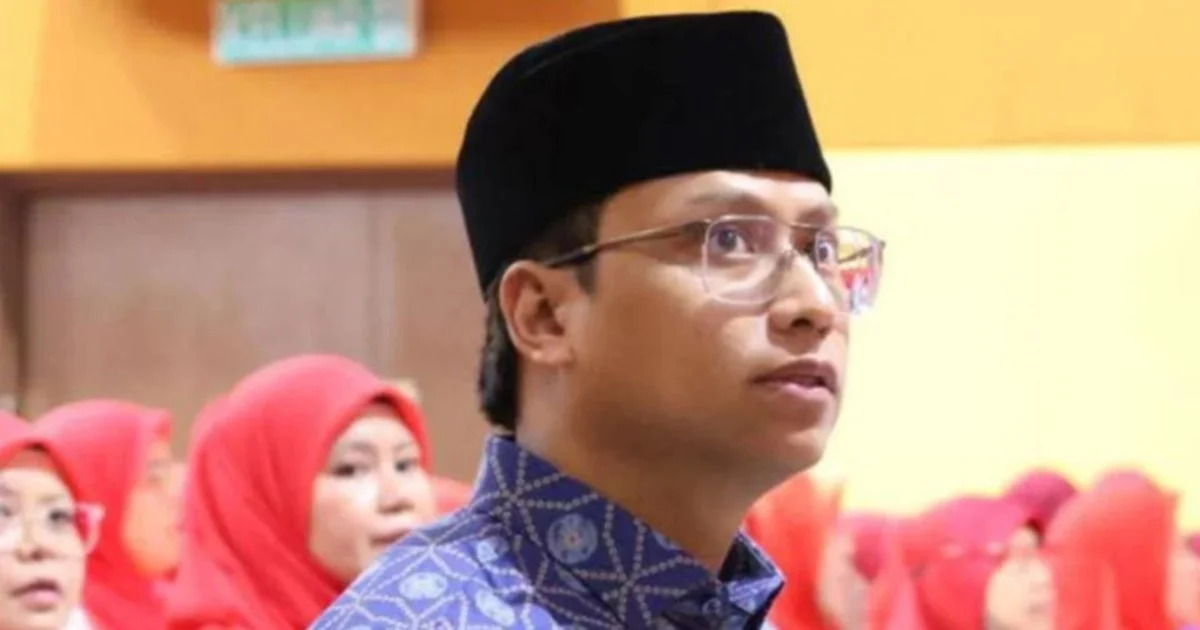
The family of Datuk Dr Mohd Puad Zarkashi has stepped forward to defend the former Umno Supreme Council member's recent public statements about the ruling party's direction, framing his remarks as a principled stance rooted in concern for the organisation's long-term viability rather than factional discord.
In a move that underscores the sensitive nature of internal Umno discussions about strategy and leadership, Puad's son emphasised that his father's commentary should be understood as constructive criticism rather than an attack on party leadership. The intervention highlights how significant figures in Malaysia's dominant political establishment remain engaged in substantive debates about the party's future positioning, even when such contributions prove controversial within party circles.
The defence comes as Umno continues to navigate complex political terrain following recent electoral outcomes and shifting coalition dynamics in Malaysian politics. The party, which has dominated the political landscape for decades, faces persistent questions about its relevance and direction as younger voters and urban constituencies increasingly look elsewhere for political representation.
Puad's son's assertion that history will ultimately validate their family's perspective reflects a confidence in the righteousness of the former Supreme Council member's position. This invocation of historical judgment suggests the family believes time will demonstrate the prescience of warnings about the party's trajectory, even if current party hierarchy may view the remarks with less favour.
The stakes of these internal debates extend beyond mere factional positioning within Umno. The party's strategic choices reverberate through Malaysian politics more broadly, affecting coalition stability at the federal and state levels, and influencing how Bumiputera-based politics articulates itself in an increasingly competitive electoral environment. When senior figures like Puad speak publicly about party direction, they implicitly challenge the narrative favoured by current leadership.
Umno's struggle to maintain its position as the pre-eminent Malay-Muslim party reflects broader regional trends across Southeast Asia, where dominant establishment parties face pressure from populist challengers, changing demographic profiles, and evolving voter expectations. Malaysia's experience offers cautionary lessons for other long-ruling parties contemplating institutional renewal versus continuity.
The family's decision to mount a public defence suggests they believe Puad's remarks address legitimate organisational vulnerabilities that cannot be dismissed as mere grumbling. Rather than viewing the commentary as disloyalty, this framing positions it as the expression of institutional patriotism—the difficult task of speaking uncomfortable truths because one genuinely cares about an organisation's survival.
For Malaysian political observers, these exchanges reveal the ongoing tension within Umno between those who view the party as requiring substantial reform to remain electorally competitive and those who believe the party's traditional strengths remain sufficient. This debate happens simultaneously with broader national discussions about institutional governance, institutional reform, and Malaysia's political future as the country approaches mid-decade elections.
The invocation of historical judgment as a validating mechanism reflects a particular form of Malaysian political discourse, where figures invoke future vindication rather than seeking immediate institutional change. This approach acknowledges the current balance of power within Umno while maintaining that events will ultimately prove the critic's perspective correct.
For observers monitoring Umno's trajectory, these family statements provide a window into how significant party figures view the organisation's current health and future prospects. The willingness to publicly defend controversial remarks suggests confidence that broader party constituencies share underlying concerns about the path the leadership has chosen, even if expressing such concerns directly remains politically costly.
The broader implication is that Umno remains a party genuinely concerned with its own future, where serious figures engage in substantive debates about direction and strategy. Whether such internal discussions ultimately produce meaningful institutional adaptation or simply reflect the inevitable tensions within any large political organisation remains an open question with significant consequences for Malaysian politics.

