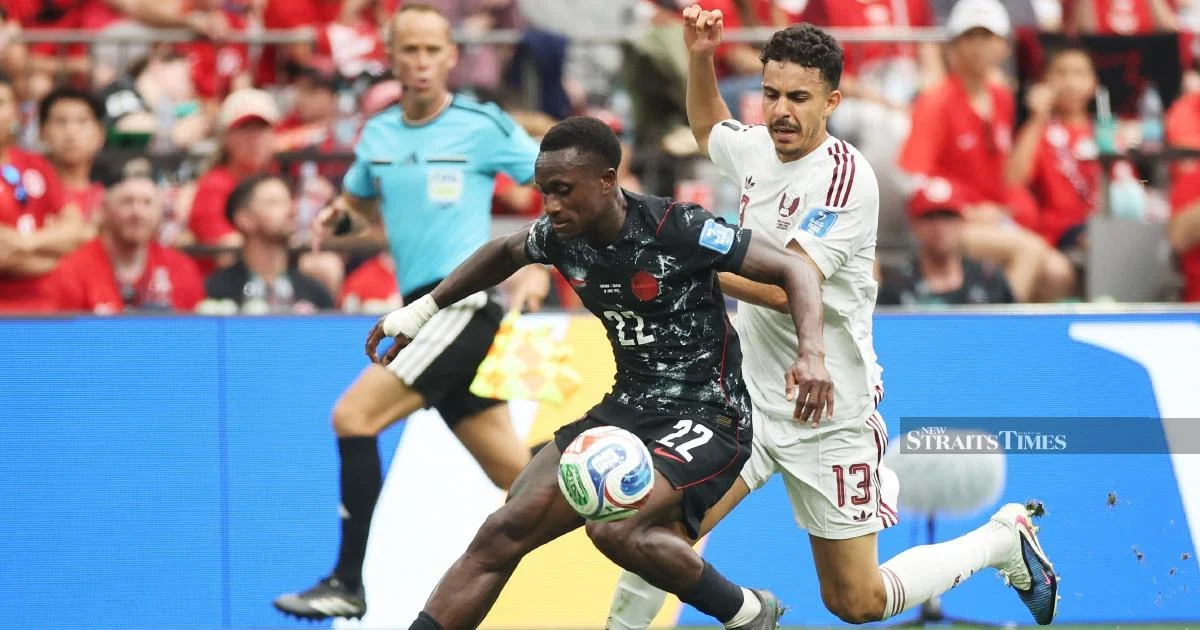
Qatar's humbling 6-0 defeat to Canada at the World Cup has become a cautionary tale about the limitations of throwing vast wealth at a sport without establishing the deeper foundations required for sustainable success. The result, far from being an isolated setback, crystallises a broader pattern of vulnerability that has plagued the Gulf nation's efforts to transform itself into a football powerhouse through financial investment alone.
Football observers and development experts point to the Qatar disaster as a textbook example of how money, no matter how abundantly deployed, cannot manufacture the institutional knowledge, player development pipelines, and cultural football infrastructure that separate genuine footballing nations from wealthy outsiders attempting to shortcut their way into elite competition. The Canadian team's clinical performance against Qatar underscored the vast gulf between financial resources and competitive readiness on the world's biggest sporting stage.
The comprehensive nature of Qatar's collapse—conceding six goals at home in a World Cup fixture—represents more than a tactical failure or a single match's misfortune. It reflects years of investment decisions that prioritised purchasing established international talent over nurturing homegrown development systems. This approach created a squad lacking cohesion, tactical discipline, and the shared understanding that typically binds successful national teams. The overwhelming defeat suggested fundamental organisational weaknesses that money alone cannot remedy within compressed timeframes.
Qatar's path to hosting the 2022 World Cup involved unprecedented spending on infrastructure, stadiums, and player recruitment. Yet the nation invested comparatively less in youth academies, coaching education, and grassroots participation programmes that might have built authentic football culture. The expensive signings of foreign players who lacked genuine commitment or familiarity with the team's tactical setup proved ineffective when tested against organised opposition. Canada's systematic dismantling of Qatar demonstrated how preparation, tactical coherence, and understanding fundamentally outweigh individual player quality when squads are hastily assembled.
For Southeast Asian football observers, the Qatar example carries particular relevance. Several regional nations have attempted to accelerate their development through significant financial injections, importing foreign coaches and players while struggling to build sustainable domestic frameworks. Malaysia, Thailand, and Vietnam have all invested in football development, yet progress remains uneven precisely because money must combine with structural reform, youth development, and cultural change to produce results. Qatar's public embarrassment serves as a stark reminder that the formula requires more than cheque-book solutions.
The defeat also highlights how international football operates according to principles largely immutable by financial force. National team success depends on deep player pipelines developed over years, coaching staff with genuine understanding of squad potential, and tactical systems refined through continuous competition. Qatar lacked these elements despite extraordinary spending. The rapid assembly of a team from external sources created a collection of individuals rather than a cohesive unit capable of operating under World Cup pressure. This distinction between buying players and building teams represents perhaps the most fundamental lesson from Qatar's collapse.
Canada's convincing victory came against a backdrop of superior organisation, consistent training partnerships, and players who understood their roles within a tactical framework. The North Americans executed straightforward football with clinical precision, exposing Qatar's lack of defensive organisation and midfield control. This wasn't a display of overwhelming talent so much as superior fundamentals—the kinds of qualities that develop through systematic coaching and repeated competitive experience rather than financial expenditure alone.
Experts also point to Qatar's compressed timeline as a complicating factor. The nation sought to develop a competitive World Cup team within roughly a decade, a timeframe utterly insufficient for building the institutional knowledge and player development systems that traditional football nations developed over generations. While money accelerated certain infrastructure projects, it could not compress the natural development cycle required to transform a population's football culture and capability. The 6-0 scoreline represented the collision between unrealistic expectations and footballing reality.
Looking forward, Qatar's experience carries lessons for wealthy nations throughout Asia contemplating similar strategies. The message seems clear: genuine football excellence requires commitment to grassroots development, youth academy systems, and coaching education that often remains invisible to casual observers but proves essential when elite competition arrives. Financial resources matter significantly, but they must operate within broader strategic frameworks that prioritise long-term development over short-term competitive shortcuts. Without this balance, even the wealthiest nations find themselves exposed when facing determined opponents from countries with deeper football traditions.
The Canadian demolition of Qatar also vindicated those who questioned the nation's hosting arrangement and subsequent competitive participation. While Qatar's right to host generated significant controversy, their participation as the opening match team—despite minimal qualifying process—potentially magnified expectations that proved impossible to meet. The disparity between hosting privilege and actual football development created a misleading narrative that financial dominance could overcome the competitive rigours of international football. The scoreline provided brutal correction to that misconception.
For Malaysian football stakeholders, the takeaway extends beyond schadenfreude at Qatar's expense. It reinforces the necessity of sustained, strategic investment in player development rather than episodic spending bursts aimed at immediate competitive gains. Building genuine football strength requires patience, systematic infrastructure development, and commitment to youth programmes that may not produce immediate results. Qatar's expensive lesson demonstrates that shortcuts lead to cliff edges rather than sustained excellence in international football competition.

