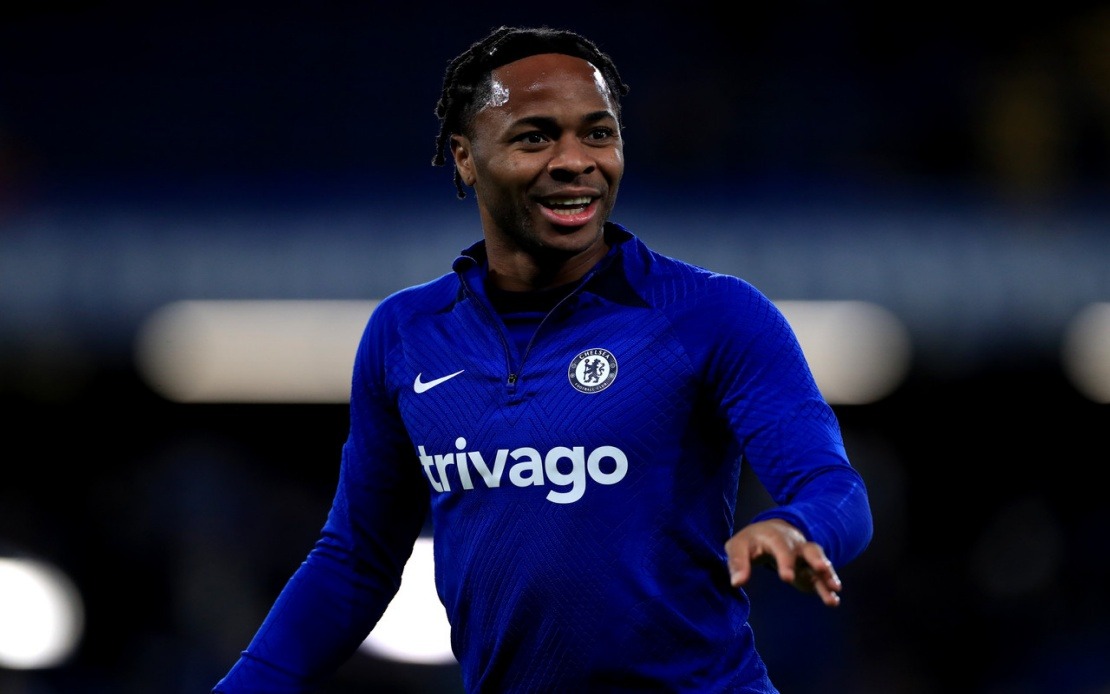
Former England forward Raheem Sterling has been charged with dangerous driving and possession of nitrous oxide in connection with a single-vehicle collision that occurred on the M3 motorway near Minley interchange on May 28. Hampshire and Isle of Wight Constabulary confirmed the charges, which also include failing to provide a specimen. The incident involved a Lamborghini and resulted in no injuries or damage to other vehicles, though it has triggered a formal legal process that will see the accomplished footballer appear before magistrates next month.
The 31-year-old, who resides in Berkshire, is scheduled to face Basingstoke Magistrates' Court on September 15 to answer to the allegations. The charges represent a significant development in Sterling's life away from football, occurring during a period when his club career has been in transition. The nature of the charges—particularly those related to substance possession and driving standards—carries serious implications under English law, with dangerous driving being a criminal offence that can result in substantial penalties depending on the court's findings.
Sterling's footballing trajectory has been notable across multiple elite clubs and at international level. He represented England on 82 occasions, scoring 20 goals while helping Gareth Southgate's team reach the World Cup semifinals in 2018 and the Euro 2020 final. His career began at Queens Park Rangers' academy before he progressed to Liverpool, where he established himself as a senior player. The transition to Manchester City in 2015 proved transformative, yielding four Premier League championships, five League Cup victories, and the FA Cup in 2019.
In recent years, Sterling's career has experienced fluctuation. His 2022 move to Chelsea was intended as another significant step, but he subsequently fell out of favour at Stamford Bridge. Seeking regular playing time during the 2024-25 season, he secured a loan arrangement with Arsenal, demonstrating his continued market value despite the reduced opportunities at his parent club. Following his departure from Chelsea, Sterling agreed a short-term deal with Dutch club Feyenoord to extend his playing opportunities through the remainder of the season.
Beyond his achievements on the pitch, Sterling has established a notable reputation for advocacy work off it. In the 2021 Queen's Birthday Honours, he was appointed Member of the Order of the British Empire (MBE) in recognition of his services to racial equality in sport. This honour reflected his sustained commitment to anti-racism initiatives and his willingness to speak publicly about discrimination across football and broader society. His advocacy became particularly prominent during the Euro 2020 tournament, when English players faced criticism for taking the knee before matches as a gesture against intolerance.
The timing of these charges comes at a moment when Sterling's professional standing remains complex. His loan spell at Arsenal placed him among top European competition again, yet his status as a player without a permanent club assignment for next season creates uncertainty. The upcoming court case will inevitably overshadow his attempts to secure his next career move, as clubs will likely await the outcome before committing to long-term arrangements. In the modern football environment, where player conduct and reputation management are increasingly scrutinised by sponsorship partners and broadcasting organisations, any legal proceedings involving high-profile athletes attract considerable attention.
For Malaysian and Southeast Asian observers of English football, Sterling's situation illustrates the intersection between elite sport and legal accountability. While his individual case is circumstantial to his professional achievements, it underscores how even the most accomplished athletes remain subject to the same legal frameworks as other citizens. The incident and subsequent charges serve as a reminder that celebrity status and sporting success provide no exemption from criminal law or traffic regulations in the United Kingdom.
The charges also come as English football continues to grapple with broader questions about player welfare, mental health, and the pressures associated with elite performance. Sterling's earlier advocacy around discrimination and equality resonates with growing conversations across sport regarding athlete responsibility and social consciousness. His current legal difficulties, while distinct from his advocacy work, may influence how he is perceived in discussions about player conduct and accountability within professional football structures.
As the September 15 hearing approaches, the football world will be watching closely to understand how this matter resolves and what implications it carries for Sterling's future prospects. The outcome will likely influence not only his immediate career options but also shape his long-term legacy within a sport where both achievements and controversies become part of a player's enduring narrative. For now, Sterling remains in a state of legal limbo, with his next chapter—both professionally and personally—contingent upon the magistrates' findings.

