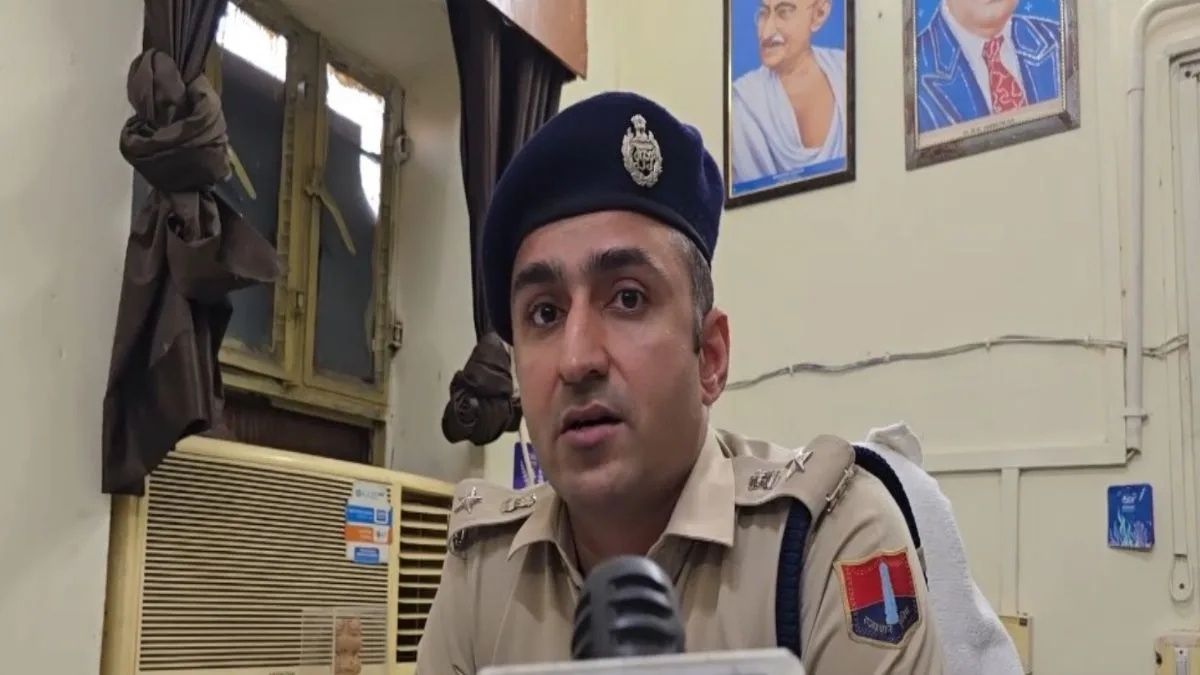
A tragic incident unfolding in Rajasthan's Dholpur district has prompted police to launch a murder investigation centring on what officials suspect is an honour killing. Two young women have reportedly died after being thrown into a river by family members, with the case drawing renewed attention to the persistent problem of honour-based violence in parts of India. Superintendent of Police Vikas Sangwan confirmed on Friday that authorities named the women's father, Bharat Lodha, a resident of Pharakpur village, and several relatives as suspects in connection with the deaths.
The alleged incident occurred during the night of June 11 near Sagarpada Bridge in the Dholpur district. Police received information suggesting that Lodha, described as a father of four, had been involved in the deaths of two of his daughters. Upon receiving this report, police teams moved quickly to the scene to conduct preliminary inspections and gather initial evidence. The swift response reflected the seriousness with which authorities were treating the allegations and the urgency surrounding what appeared to be a potential criminal act.
Early investigative findings point to a deeply troubling motive rooted in family control and traditional attitudes toward relationships. According to police statements, the two women were targeted because of romantic relationships that their family members did not approve of. This element appears central to prosecutors' working theory that the deaths constitute an honour killing—a category of violence where family members commit murder to protect what they perceive as their family's reputation or honour. Such crimes remain a significant concern across multiple regions in India, driven by complex social factors including patriarchal family structures and resistance to changing social norms around marriage and relationships.
Police believe the women were pushed from Sagarpada Bridge into the river below, though officials emphasised that this remains a working theory subject to verification. The alleged timeframe places the incident between 9 pm and 10 pm on June 11, according to Sangwan's statement. However, authorities stressed that this timing is preliminary and continues to be verified through ongoing investigations. The relatively confined window suggests that police have received specific information about when the alleged crime took place, possibly from witnesses or other sources.
The investigative phase remains active and multifaceted, with police examining numerous operational details of how the alleged crime unfolded. Officers are attempting to reconstruct the sequence of events leading up to the women's deaths, including how they were transported to the bridge location, who accompanied them, and what vehicle was used. These procedural questions are critical to building a coherent narrative of the incident and to establishing which family members were directly involved in the alleged act. The complexity of such investigations typically requires extensive questioning of multiple witnesses and suspects.
Supt. Sangwan indicated that investigators are working methodically through various aspects of the case that remain unverified. The route taken to reach the bridge, the precise timing of when the victims were taken from their home or previous location, the vehicle employed for transport, and the identity of all parties involved represent areas of ongoing scrutiny. Police teams continue to visit the crime scene to gather physical evidence, and questioning of individuals connected to the case is ongoing. The superintendent cautioned that preliminary findings should not be treated as conclusive until the full investigation is completed.
The case reflects broader challenges that law enforcement agencies across India face when addressing honour-based violence. Such crimes often occur within family units, making investigations complicated by bonds of kinship and potential witness reluctance. The Rajasthan incident also highlights how romantic autonomy remains a contentious issue in certain communities, where family members view their authority over children's relationships as absolute. The alleged victims' choice to pursue relationships deemed unsuitable by their father and relatives appears to have created a conflict that turned fatal.
For Malaysian readers and observers of South Asian affairs, this case underscores persistent governance challenges in enforcing protections for individual autonomy and personal safety across the region. While Malaysia has its own distinct legal and social frameworks, South Asian countries continue grappling with implementing and enforcing laws against honour killings and honour-based violence. The incident also demonstrates how traditional authority structures within families can override legal protections, particularly in rural areas where state presence may be limited and social enforcement of patriarchal norms remains strong.
The investigation's progression will likely serve as a test of how effectively Rajasthan's law enforcement responds to honour-based crimes. If the preliminary findings are substantiated, prosecutors would pursue charges against the father and other family members involved. The case may also prompt discussions about prevention strategies, victim support mechanisms, and how law enforcement can better identify and intervene in high-risk family situations before violence occurs. Police maintained that all aspects of the case would be revealed as the investigation advances and that legal action would follow based on investigative findings.

