A rare meteorological event known as a landspout tore through the Bercham area near Ipoh yesterday afternoon, leaving a trail of destruction that has impacted hundreds of residents and prompted swift government response. Ipoh Barat Member of Parliament M. Kulasegaran, who serves as Deputy Minister in the Prime Minister's Department for Law and Institutional Reform, characterised the storm as an unusual occurrence for the Perak region, noting that such severe weather phenomena have not been previously documented in the locality. The widespread damage across five separate locations has affected more than 240 homes and eight commercial establishments, marking a significant departure from typical weather-related incidents that normally result in fallen trees or minor structural damage rather than the extensive devastation witnessed on this occasion.
The intensity and nature of the damage suggest the phenomenon may have resembled a small typhoon in its destructive capacity, according to Kulasegaran's assessment during his inspection of victim registration efforts at Dewan Senator Dato' Shamsuddin in Kampung Tersusun Tasek. This characterisation is particularly significant given the region's tropical climate, where residents are accustomed to conventional heavy rainfall and wind events but not the concentrated rotational forces associated with landspout activity. A landspout represents a rare weather occurrence where rotating columns of air form beneath storm clouds and touch down on land, creating tornado-like conditions without the traditional supercell structure. Such events remain poorly understood and infrequently observed in Malaysia, making yesterday's incident potentially notable for meteorological study and climate pattern analysis in Southeast Asia.
The incident unfolded around 3 pm yesterday, striking with sufficient force to cause roof damage across numerous residences and topple electricity poles, creating immediate concerns about housing stability and utility infrastructure. Ipoh district police chief ACP Muhammad Najib Hamzah reported that as of this morning, 121 specific damage reports had been lodged, though authorities acknowledge this figure represents an incomplete accounting of the total impact. The police chief noted that precise loss assessments remain complicated by the fact that some homeowners were away on vacation while others had rented their properties to third parties, creating a lag in comprehensive damage cataloguing. The authority's decision to cordon off affected areas and restrict movement reflects legitimate safety concerns, as the localities remain active with ongoing cleaning operations and contractor repair work, necessitating careful traffic management and security measures to protect both residents and their vulnerable properties.
Government response mechanisms activated quickly following the disaster, with multiple agencies coordinating relief and reconstruction efforts. The Social Welfare Department has begun channelling immediate assistance to affected families, while the Implementation Coordination Unit under the Prime Minister's Department has been engaged to expedite contractor deployment for emergency repairs. Kulasegaran emphasised the urgency of addressing structural vulnerabilities, particularly roof damage that leaves homes exposed to further weather deterioration. The approaching monsoon season and continued rainfall forecasts intensify this concern, as water ingress could cause secondary damage to furnishings, electrical systems, and structural integrity if repairs are not completed promptly. This temporal pressure underscores the importance of rapid government intervention and resource mobilisation in disaster response scenarios.
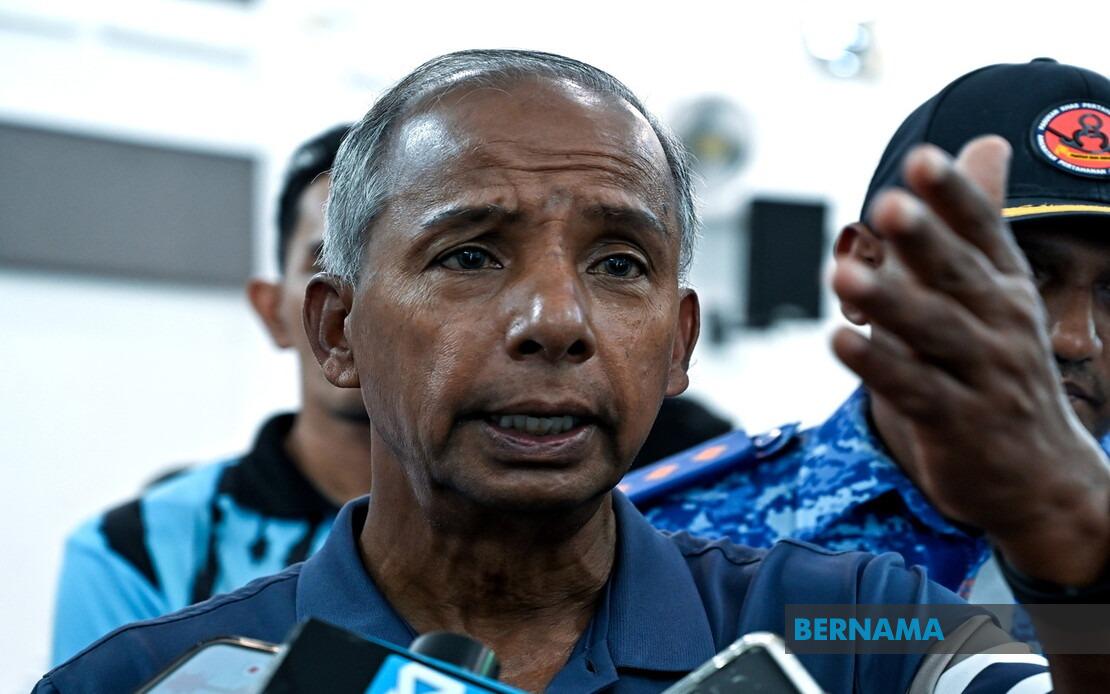
The Perak Civil Defence Force has also mobilised its special operations team to coordinate cleanup activities and provide initial emergency assistance. Captain C. Sehgar, the special team's chief of operations, indicated that the department received numerous distress reports concerning uprooted trees, damaged roofing, and downed power lines—all of which required immediate remediation. The Ipoh City Council has undertaken primary cleanup responsibilities with support from civil defence personnel, establishing a coordinated inter-agency approach typical of Malaysia's disaster management protocols. This collaborative framework involving municipal authorities, civil defence, police, and welfare agencies demonstrates the institutional capacity to respond to environmental emergencies, though the unprecedented nature of this particular event may present learning opportunities for regional disaster preparedness planning.
Authorities have urged affected residents to file police reports as a prerequisite for accessing government assistance and compensation programmes. This administrative requirement, while necessary for systematic aid distribution, imposes an additional burden on victims already coping with property loss and displacement. The reporting process facilitates documentation essential for damage assessment, insurance claims, and government relief allocation, yet requires victims to navigate bureaucratic procedures during periods of emotional and physical stress. Enhanced outreach by local officials to guide residents through these processes could expedite relief delivery and reduce administrative friction.
The absence of fatalities represents a significant positive outcome, particularly given the storm's destructive capacity and the populated nature of affected residential areas. The effectiveness of police and civil defence coordination in managing immediate aftermath activities—including area closures, safety patrols, and restricted access management—likely contributed to preventing secondary injuries or casualties during the chaotic recovery phase. However, the psychological impact on residents should not be underestimated, as experiencing such rare and violent weather events can create lasting anxiety and influence perceptions of residential safety and climate vulnerability.
For Malaysian residents and regional observers, this incident highlights the potential for unusual meteorological phenomena to cause substantial damage in tropical and subtropical zones. Climate change discussions increasingly acknowledge the possibility of shifting weather patterns and increased frequency of extreme events, though landspout occurrences remain statistically rare. The Bercham incident provides a practical case study for urban planning and building code considerations in Malaysia, potentially informing future construction standards and disaster preparedness infrastructure across the nation. Southeast Asian nations sharing similar tropical climate characteristics may benefit from sharing information about this event and reviewing their own meteorological monitoring and disaster response capabilities.
Longer-term considerations include whether this represents an isolated meteorological anomaly or signals emerging climate patterns requiring enhanced monitoring and building resilience. The Malaysian Meteorological Department may conduct post-event analysis to understand atmospheric conditions preceding the landspout formation, contributing to improved forecasting and early warning systems. Insurance industry assessments of damage claims will also generate valuable data regarding property vulnerability and risk profiles in affected communities. Additionally, this incident underscores the importance of maintaining robust building maintenance standards and structural integrity in residential areas, as properties in good condition generally withstand extreme weather events more effectively than those suffering from deferred maintenance or substandard construction.

