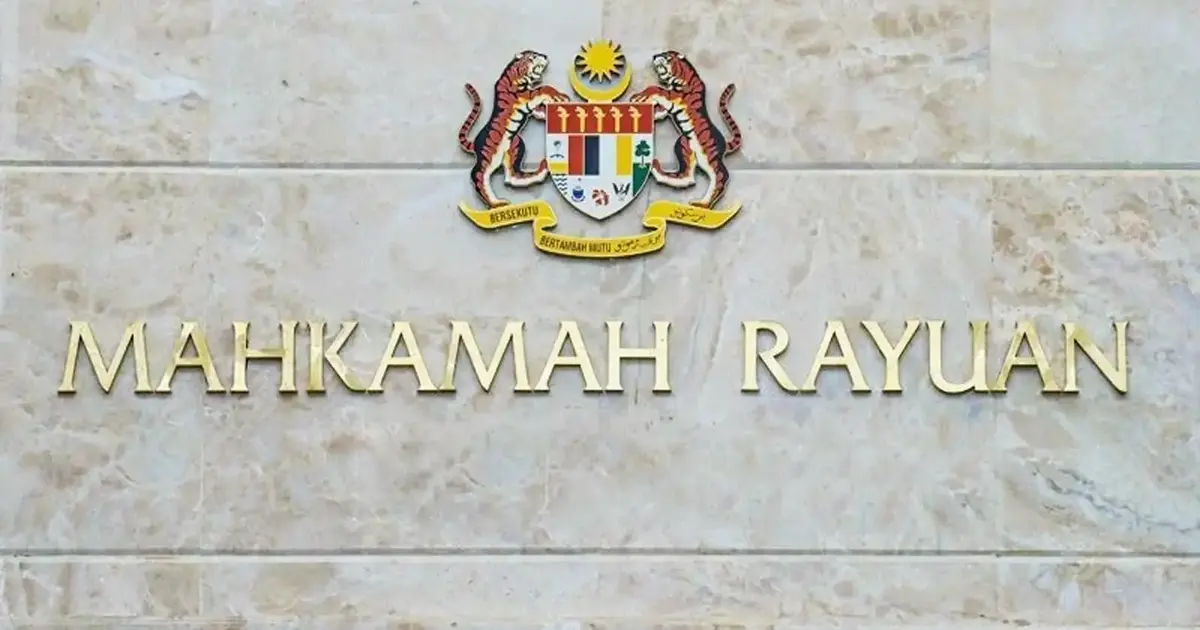
The Court of Appeal has delivered a significant judgment that clarifies the legal standing of registered societies in Malaysia, ruling unanimously that such organisations cannot pursue defamation claims. The decision, which dismissed Pertubuhan Ikram Malaysia's appeal, establishes an important precedent about the rights and limitations of registered societies operating within the country's legal framework. The ruling fundamentally hinges on the principle that registered societies, unlike incorporated companies or statutory bodies, do not possess legal personality—a requirement essential for bringing lawsuits in their own name.
The implications of this judgment extend well beyond the specific case. Registered societies represent a significant category of organisations in Malaysia, ranging from charitable foundations and cultural associations to professional bodies and community groups. Many operate with substantial membership bases and considerable assets, yet this ruling confirms they operate in a legal grey zone where they cannot independently seek redress through the courts for attacks on their reputation. For organisational leaders and members, this creates a practical dilemma: they must choose between defending the organisation itself or relying on individual members to take action, a fundamentally different and more complicated approach.
The Court of Appeal's reasoning pivots on the doctrine of legal personality, a cornerstone principle in corporate law. Legal personality means an entity can sue and be sued, hold property, and enter contracts in its own right. Registered societies, the court determined, derive their authority from the Societies Act and its regulatory framework, but this legislation does not confer upon them the status of a separate legal entity. Instead, they remain aggregations of individuals bound by rules and objectives, rather than distinct legal beings. This distinction, while technical in appearance, has profound practical consequences for how these organisations can protect themselves in law.
Pertubuhan Ikram Malaysia's challenge to this principle represents one of the more significant attempts to expand the legal capacities of registered societies. The organisation sought to establish that registered societies should be treated similarly to other organisational forms when their reputation is damaged. The appeal argued, implicitly, that denying registered societies the right to sue for defamation leaves them vulnerable to damaging statements without meaningful legal recourse. Despite the apparent fairness of this argument, the Court of Appeal remained bound by existing legal doctrine and precedent, ultimately finding no basis to extend legal personality to registered societies through judicial interpretation.
The absence of legal personality creates a particularly acute problem for registered societies that operate in sensitive sectors or hold positions of public trust. A registered society might be the target of allegations that damage its reputation and affect its ability to recruit members, secure funding, or collaborate with other organisations. Yet under this ruling, the registered society itself cannot walk into court with a claim. Individual members might theoretically pursue their own defamation claims based on harm to their personal reputation through association, but this requires demonstrating personal damage rather than organisational harm—a significantly higher and often impractical threshold.
This decision also reflects broader tensions in Malaysian law between the regulatory approach to registered societies and their practical importance in civil society. The Societies Act was designed primarily as a regulatory mechanism to monitor and control organisations, not to facilitate their independent legal actions. Registered societies registered under this legislation must comply with reporting requirements, have their management scrutinised, and operate within defined purposes. Yet the legislation does not extend to them the corporate shell that would make them fully-fledged legal actors. The Court of Appeal's judgment respects the original legislative intent while accepting the constraints it imposes.
For the broader Malaysian civil society landscape, this ruling has consequential implications. Thousands of non-governmental organisations, religious societies, cultural associations, and community groups operate as registered societies. They now have clarity that they cannot independently sue for defamation, but this clarity comes at a cost. Organisations that had perhaps assumed they could defend their institutional reputation through the courts must now develop alternative strategies. Some may consider reorganising themselves under different legal structures, such as incorporating as companies limited by guarantee, which would confer legal personality and access to defamation remedies.
The distinction between registered societies and incorporated entities creates an uneven playing field in reputation management. A defamatory statement about an incorporated association or company can be met with a direct lawsuit bringing the full weight of corporate identity to bear. The same statement directed at a registered society cannot. This disparity raises questions about whether the current legal framework adequately protects all organisational forms operating in the public interest. Some legal commentators have begun arguing that legislative reform might be warranted to extend certain legal capacities to registered societies while preserving the regulatory structure that governments prefer.
Regionally, Malaysia's approach differs from other Commonwealth jurisdictions, where some legal systems have evolved to recognize limited legal personality for certain categories of unincorporated associations. Singapore and other nearby jurisdictions have grappled with similar questions, though not always reaching identical conclusions. The Court of Appeal's unambiguous stance provides Malaysian registered societies with definitive guidance, even if it proves restrictive. This clarity enables organisations to make informed decisions about their legal structure and develop appropriate strategies for protecting their reputation through available mechanisms.
The judgment also raises practical questions about defamation law in the digital age. Registered societies increasingly operate online, maintain social media presences, and engage in public advocacy. Damaging statements can now proliferate rapidly across digital platforms, yet registered societies cannot respond through defamation litigation. This practical gap between the speed of reputational harm in modern communications and the available legal remedies represents an emerging challenge that may eventually prompt legislative attention or further judicial consideration.

