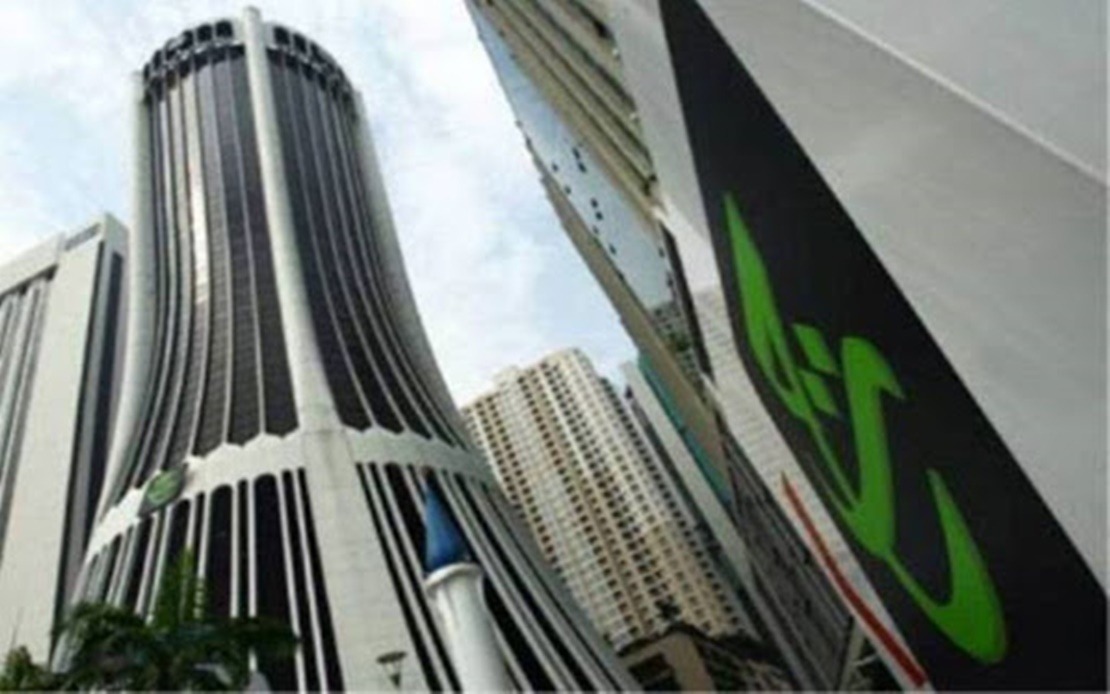
Economists and governance experts have expressed deep concern about Tabung Haji's financial valuation practices, following revelations in the Royal Commission of Inquiry report that the institution relied heavily on internal management estimates rather than independent professional assessments to determine asset values. The RCI's comprehensive examination of TH's management and operations spanning 2014 to 2020 disclosed that of the RM4.6 billion total property asset valuation for 2017, only RM556 million was substantiated by professional valuers' reports, leaving RM4.044 billion dependent solely on management calculations. This reliance on internal estimates represents a departure from standard financial governance practices and raises troubling questions about the reliability of figures used to determine the hajj fund's financial health and its capacity to distribute dividends to depositors.
Prof Emeritus Dr Barjoyai Bardai of Malaysia University of Science and Technology articulated the core vulnerability in this approach: when management determines asset values without independent verification, institutional decision-makers harbour inherent conflicts of interest that can skew valuations towards optimistic projections. While he stopped short of alleging deliberate wrongdoing, Barjoyai emphasized that internal estimates lack the rigour and impartiality that characterize assessments conducted by qualified external valuers operating at arm's length from the organization. The distinction carries weight because institutions naturally seek to present their financial conditions in the most favourable light possible, and management's direct stake in how TH's performance is perceived creates subtle pressure towards higher valuations. This dynamic is particularly consequential when asset values feed directly into calculations governing the distribution of hibah, or returns, to depositors who have entrusted their savings to the fund.
The practical implications of overstated asset values extend beyond accounting technicalities into the real financial security of millions of Malaysian depositors. If the Realisable Asset Value—the figure TH uses to determine its capacity to distribute hibah—is artificially inflated because properties are valued above what the market would actually pay for them, the institution's true financial position becomes obscured. Barjoyai warned that this creates conditions permitting hibah distributions that exceed prudent and sustainable levels, effectively allowing the fund to distribute more returns than its actual financial performance warrants. Such distributions ultimately deplete reserves that should remain available to weather economic downturns or unforeseen challenges, potentially undermining the fund's long-term stability and capacity to meet obligations to depositors.
To address these vulnerabilities, Barjoyai recommended a multi-layered governance framework requiring that high-value properties undergo independent professional valuations conducted using standardized methodologies grounded in verifiable market evidence. He further proposed that RAV calculations themselves should operate under clearly articulated standards, subject to independent auditing and verification by a specialized committee comprising investment specialists and qualified accountants. The underlying principle is straightforward: figures determining the distribution capacity of a major Islamic financial institution should rest on foundations that are inherently conservative, readily verifiable by external parties, and insulated from influence by those with vested interests in presenting favourable results. This approach would substantially strengthen investor confidence and institutional credibility.
Prof Dr Ahmed Razman Abdul Latiff of Putra Business School identified critical governance failures at the board and audit committee level, noting that directors and auditors bore direct responsibility for scrutinizing management's assumptions before incorporating them into financial calculations with material consequences. The level of examination should have been heightened precisely because the RAV figure serves to determine compliance with Section 22 of the Tabung Haji Act 1995, a statutory provision directly affecting millions of depositors' rights and expectations. When figures carry such weight in determining regulatory compliance and distribution decisions, governance bodies must apply substantially stricter standards than they might to routine accounting estimates. The fact that such standards apparently were not applied raises uncomfortable questions about whether audit committees understood the magnitude of the risks they were allowing or whether institutional culture had become insufficiently rigorous.
Ahmed Razman further questioned why previous auditors failed to flag concerns about TH's valuation methodology and hibah distribution practices during earlier audit cycles, despite the RCI identifying these as significant issues warranting investigation. This gap between what auditors should have detected and what the RCI ultimately uncovered suggests either that audit procedures were inadequate or that auditor observations were not communicated with appropriate emphasis to decision-making bodies. He advocated for detailed investigation into whether governance failures, misrepresentation of figures, or deliberate manipulation of asset values had occurred—questions that transcend accounting technicalities and venture into potential breach of fiduciary duty to depositors.
The PricewaterhouseCoopers audit report cited by the RCI documented that TH's RAV calculations were constructed using management estimates and property values that departed significantly from both listed market prices for shareholdings and independent professional assessments of real estate assets. The RCI additionally revealed that RM2.294 billion relating to TH Plantations Berhad had been incorporated into the RAV calculation as part of the RM4.6 billion property asset valuation, yet no clarity existed regarding how this plantation company's value was independently substantiated. This raises further questions about the chain of methodologies: if TH Plantations' valuation was itself based on internal estimates, then valuations cascaded from one layer of estimates to another, compounding the deviation from market reality.
A particularly troubling disclosure emerged regarding TH management's divergence from standard accounting practice. Rather than using asset and liability values as reported in the institution's own audited financial statements, management developed an alternative RAV calculation methodology specifically to satisfy Section 22 of the Tabung Haji Act 1995. This bifurcation created a situation where the published financial statements reflected one set of asset values while distribution decisions rested on higher figures derived through the RAV mechanism. Consequently, shareholders and depositors received financial reporting that did not align with the figures actually driving management decisions about returns distribution, obscuring the true basis of hibah calculations from those relying on published accounts.
TH management defended its methodology by arguing that Section 22 of the legislation failed to provide clear definitions of which assets should be included in calculations, thereby granting discretion in how valuations should be performed. This legal argument, while technically possible, highlights a fundamental governance failure: when statutory ambiguity exists, responsible institutional management should interpret provisions conservatively and seek legislative clarification rather than adopting interpretations that systematically inflate asset valuations. The argument that the law permits higher valuations because it does not explicitly prohibit them represents exactly the kind of aggressive interpretation that fiduciary duty principles are designed to prevent. A hajj fund managing deposits for ordinary Malaysian Muslims should operate under the presumption that ambiguities should be resolved in favour of conservative asset valuation and prudent distribution practices.
For Malaysian depositors and the broader financial system, the RCI's findings carry significant implications. Tabung Haji represents one of Malaysia's most important Islamic financial institutions, with deep community trust and substantial national importance. The revelations that asset valuations may not reflect market reality cast doubt on whether returns distributed to depositors accurately reflected genuine investment performance or instead represented distributions from capital. This distinction matters enormously to ordinary Muslims who have entrusted their wealth to the institution with expectations grounded in Islamic principles of transparency and fair dealing. The governance reforms recommended by economists—independent valuations, standardized calculation methods, multi-layered oversight—are not merely technical improvements but essential steps to restore the institutional integrity and depositor confidence that should characterize a national Islamic financial institution.
The 252-page RCI report, released publicly on July 29 and subsequently debated in parliament on August 11, represents a comprehensive examination of a governance crisis that accumulated over nearly a decade without adequate external scrutiny. The findings suggest that Malaysia's institutional oversight mechanisms may require strengthening to detect and prevent similar valuation practices from compromising other major financial institutions. While Tabung Haji's situation developed during a specific period under particular management, the underlying vulnerabilities—inadequate independence in valuation processes, insufficient audit scrutiny of material estimates, and governance structures that permitted unilateral management determination of consequential figures—represent systemic risks applicable across multiple institutions. Moving forward, regulators and institutional boards across the Malaysian financial sector would be wise to examine whether their own valuation methodologies and governance frameworks contain similar vulnerabilities that could undermine depositor protection and institutional credibility.

