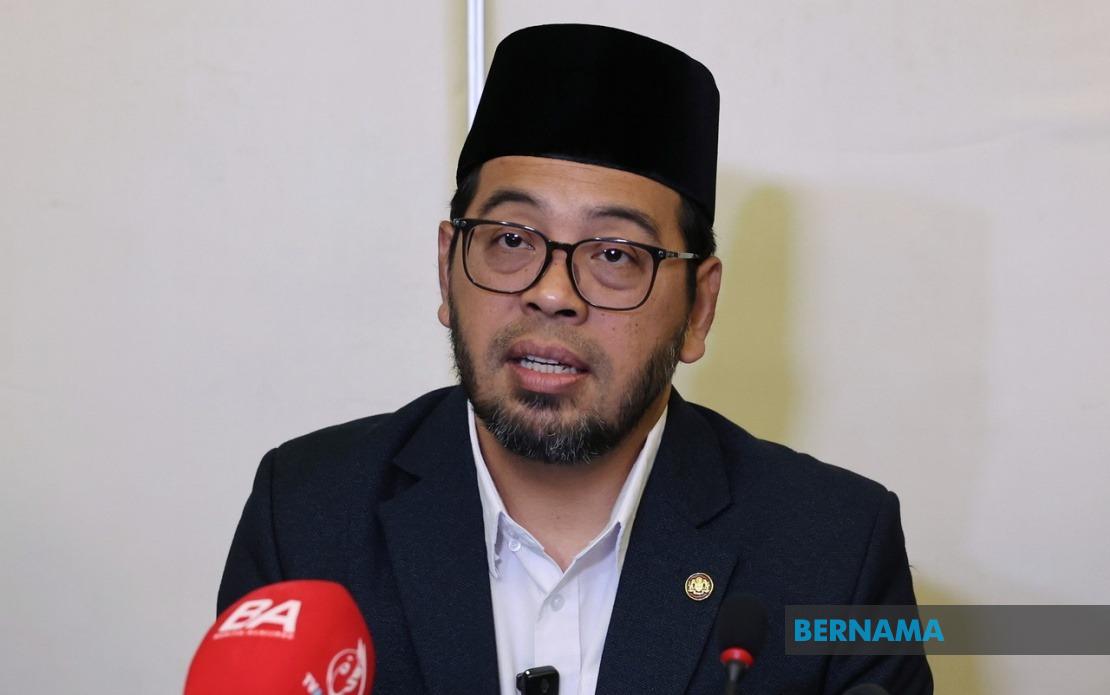
Parliament will convene for a special sitting tomorrow morning to scrutinise the findings of a Royal Commission of Inquiry into Lembaga Tabung Haji's stewardship between 2014 and 2020, with Minister in the Prime Minister's Department (Religious Affairs) Dr Zulkifli Hasan leading the ministerial presentation. The sitting, beginning at 10 am, represents a significant parliamentary moment as lawmakers assess a 211-page report that has already stirred considerable public interest since its public release on July 29.
Dr Zulkifli's involvement underscores the religious and administrative dimensions of the inquiry's scope. In remarks distributed to media, the minister confirmed that Finance Minister II Datuk Seri Amir Hamzah Azizan would join him in presenting the government's position and winding up parliamentary debate on the matter. This two-minister approach reflects the gravity with which the Cabinet treats the RCI's conclusions and the need for comprehensive responses across religious, financial, and operational accountability lines.
The Cabinet has already moved beyond defensive posturing, explicitly signalling that it expects corrective action against individuals implicated in any wrongdoing identified by the inquiry. Dr Zulkifli's statement that "action should be taken against those involved in the case" telegraphs the executive's readiness to pursue consequences, though the precise mechanisms—whether administrative discipline, legal referral, or other remedies—remain to be clarified during the parliamentary session.
Tabung Haji, officially Lembaga Tabung Haji, occupies a unique position in Malaysia's financial and religious landscape, managing pilgrimage savings for Muslims intending to perform the Hajj. Controversies surrounding its management carry not merely financial implications but profound reputational and spiritual dimensions, given its custodial role over funds entrusted by devout citizens. The RCI's investigation into a six-year period spanning significant economic and political transitions in Malaysia suggests the inquiry examined operational decisions made across multiple administrations.
Parliamentary interest in the RCI report has run high, with Communications Minister Datuk Seri Fahmi Fadzil previously noting that at least 40 MPs had indicated their intention to participate in the debate. This substantial participation suggests the inquiry's findings resonate across party lines and geographical constituencies, reflecting either widespread concern about institutional governance or the politically charged nature of scrutinising a body closely associated with religious administration.
The public disclosure of the RCI report on July 29 marked a significant transparency decision by the government. Rather than restricting circulation to official channels, the decision to make findings publicly available democratised access to the commission's conclusions and invited broader societal scrutiny. This approach contrasts with historical tendencies toward confidentiality in such matters and signals a government willing to subject its appointed bodies to public accountability, though the calculations behind releasing potentially damaging findings warrant consideration.
The special parliamentary sitting mechanism itself deserves note. Unlike routine parliamentary business, special sittings convened specifically to address RCI findings elevate the matter's status and guarantee dedicated legislative attention. This procedural choice ensures that examination of the report occurs within the formal framework of parliamentary privilege, where MPs can raise concerns with constitutional protections and where government officials must respond directly to elected representatives.
For Malaysian citizens and residents, the Tabung Haji inquiry carries practical significance. Pilgrims and potential Hajj participants depend on the institution's financial stewardship and administrative competence to safeguard their savings and facilitate their religious obligations. Any systemic failures identified by the RCI directly affect the security of accumulated funds and the reliability of pilgrimage planning. The parliamentary presentation tomorrow will therefore matter not only to governance specialists but to the hundreds of thousands of Malaysians whose financial commitments depend on institutional integrity.
The inquiry period spanning 2014 to 2020 encompasses significant events in Malaysia's recent history, including economic fluctuations, political transitions, and evolving financial regulations. The RCI's examination of decision-making across this timeframe potentially illuminates how institutional leadership responded to external pressures and internal operational challenges. Tomorrow's parliamentary debate will likely probe whether identified shortcomings reflected individual culpability or systemic weaknesses requiring structural reform.
Beyond the immediate parliamentary proceedings, the RCI report's findings carry implications for broader governance discourse in Malaysia. Investigations into major institutional failures often catalyse regulatory reform, administrative restructuring, and enhanced oversight mechanisms. The government's preliminary indication that accountability measures will follow suggests the RCI inquiry may function not merely as a retrospective assessment but as a catalyst for institutional reform.
The presence of both a religious affairs minister and finance minister II in presenting and defending the government's response reflects the interconnected nature of the issues at stake. Religious institutions operating within secular legal and financial frameworks require expertise spanning both domains. Tomorrow's parliamentary session will test whether government representatives can satisfactorily address both the technical financial questions and the questions of institutional stewardship that Tabung Haji's religious mission demands.

