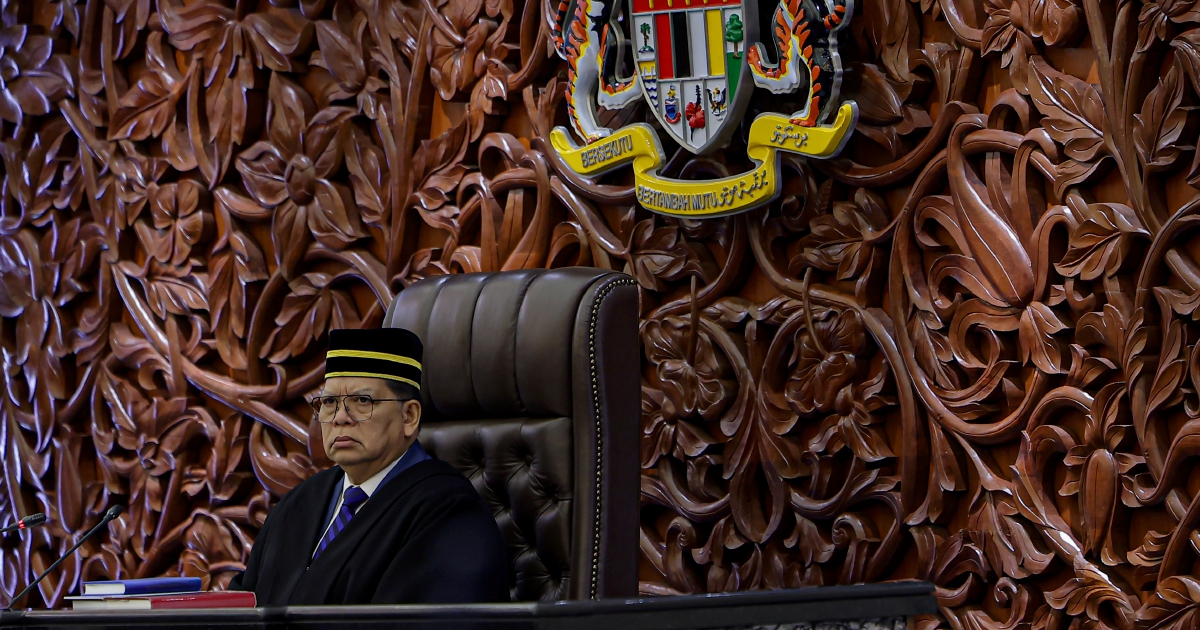
The findings from the Royal Commission of Inquiry examining Tabung Haji's operations will be formally presented to Parliament next week, according to an announcement by Dr Zulkifli Hasan, the Minister in the Prime Minister's Department (Religious Affairs). The presentation will take place during a specially convened session of the Dewan Rakyat, signalling the government's commitment to addressing longstanding concerns surrounding Malaysia's premier pilgrimage fund.
This development marks a significant moment in the scrutiny of Tabung Haji's management and governance. The fund, which facilitates hajj financing and investment for Malaysian Muslims, has faced considerable public and parliamentary scrutiny over the years. The establishment of the RCI reflected growing concerns about administrative practices, investment decisions, and the institution's ability to safeguard the interests of its approximately 9.3 million contributors.
The decision to present findings in a special parliamentary session underscores the importance the government places on this matter. Such sessions are typically reserved for issues of considerable national significance that demand comprehensive legislative attention. By choosing this forum, policymakers signal that the RCI's recommendations may require legislative amendments or policy shifts that necessitate full parliamentary debate and potential voting.
Tabung Haji has long operated as a semi-autonomous institution managing substantial sums from Malaysian Muslims saving for the hajj pilgrimage. However, the fund's investment portfolio and governance structure have drawn criticism from various quarters, including civil society organisations, financial analysts, and opposition lawmakers. Concerns have ranged from alleged mismanagement to questions about transparency in decision-making processes affecting contributors' savings.
The RCI's investigation likely examined multiple dimensions of the fund's operations over several years. Such inquiries typically scrutinise administrative efficiency, compliance with regulatory frameworks, investment performance relative to industry benchmarks, and adherence to fiduciary principles. The breadth of these examinations often surfaces systemic issues requiring corrective action at multiple levels.
Dr Zulkifli Hasan's role in presenting these findings carries particular weight given his ministerial portfolio. As the Religious Affairs Minister, his department holds some supervisory responsibility over religiously-focused institutions. His involvement in the parliamentary presentation suggests the government's intention to treat the RCI recommendations with appropriate seriousness rather than permitting them to languish in bureaucratic processes.
For Malaysian Muslims who have contributed to Tabung Haji, the presentation of RCI findings offers potential clarity on governance questions that may have troubled them. Contributors representing diverse economic backgrounds have placed trust in the institution to manage their hajj savings responsibly. The public airing of inquiry findings and subsequent government responses demonstrates accountability to this substantial constituency.
The timing of this parliamentary sitting also carries significance for broader trust in Malaysian institutions. Public institutions managing religious and financial matters simultaneously must demonstrate both secular competence and alignment with Islamic principles. The willingness to subject Tabung Haji to formal inquiry and public scrutiny addresses legitimate demands for transparency that extend beyond traditional governance circles.
From a regional perspective, Malaysia's handling of this matter may influence how other Southeast Asian nations with significant Muslim populations approach oversight of religiously-affiliated financial institutions. Indonesia, Singapore, and Thailand each manage hajj funds serving their Muslim communities, and transparency practices in one jurisdiction often influence expectations elsewhere in the region.
The presentation next week will likely address several key areas that Malaysian stakeholders have questioned. Investment strategy and performance during volatile market periods will probably feature prominently, particularly given global economic circumstances affecting fund returns. Governance structures, conflict-of-interest management, and cost efficiency in operations may also receive detailed attention.
Parliamentary response to the RCI findings will indicate the depth of reform appetite among lawmakers. Some recommendations may be controversial, potentially dividing opinion between those prioritising stricter oversight and those cautious about imposing restrictions that could limit Tabung Haji's operational flexibility or investment returns.
The RCI process itself represents Malaysia's commitment to investigating institutional concerns through established mechanisms rather than allowing them to fester through rumour and speculation. Regardless of specific findings, the inquiry's existence demonstrates that religious and financial institutions serving the public interest must ultimately answer to formal scrutiny.
Parliamentary members from both government and opposition benches will have opportunity to question Dr Zulkifli Hasan during the presentation, potentially revealing areas of consensus and disagreement regarding necessary reforms. The ensuing debate may shape policy direction for Tabung Haji for years to come, affecting millions of future pilgrims.

