Two hundred motorcyclists in Renggam have received RM5 fuel vouchers under a new government assistance initiative, marking an effort by authorities to provide direct relief to ordinary Malaysians grappling with rising transportation costs. The distribution took place during the Jiwa@Komuniti MADANI Sembang Santai World Cup Edition programme in Kluang on June 25, organised by the National Security Council (MKN) in collaboration with the Information Department and the Department of Community Communications.
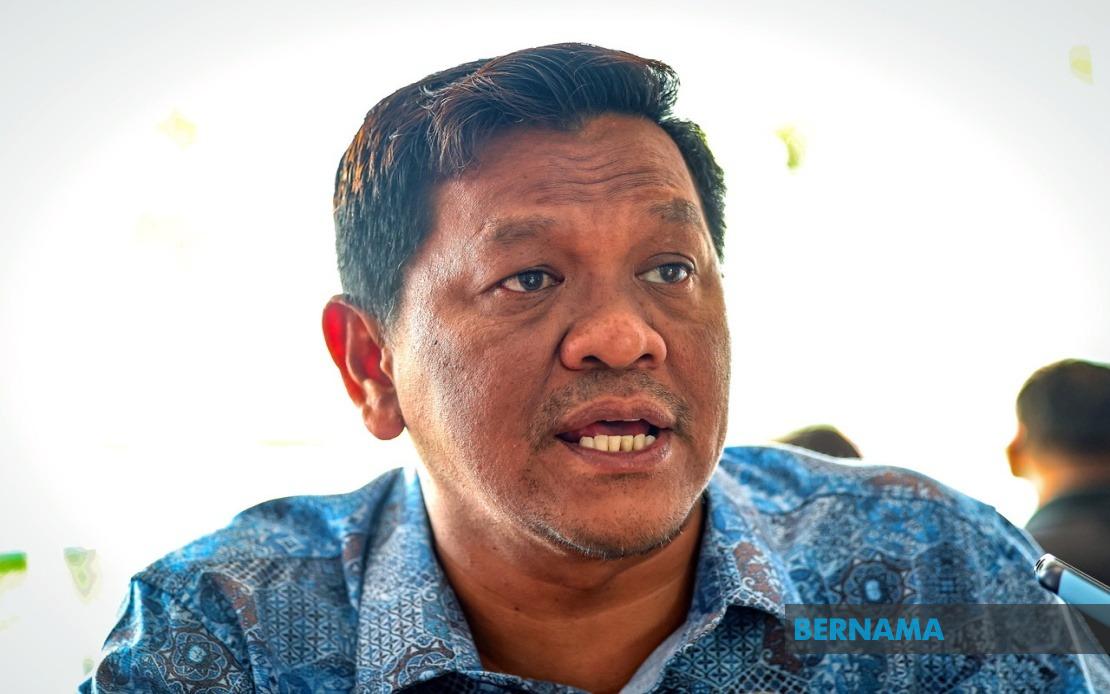
Abdullah Izhar Mohamed Yusof, political secretary to the Communications Minister, framed the voucher scheme as evidence of government responsiveness to the financial challenges faced by working-class Malaysians. He characterised the initiative as more than simple cash assistance, instead positioning it within a broader mandate to nurture social cohesion and demonstrate government attentiveness to grassroots concerns. The voucher distribution served as a tangible gesture accompanying wider policy messaging around the government's priorities and direction.
The programme structure reveals an integrated approach to public engagement that extends beyond financial transfers. Alongside voucher handouts, officials conducted briefings on current policy matters and facilitated dialogue between community members and representatives from multiple government agencies. This format reflects an understanding that financial assistance alone may carry limited political or social value if divorced from effective communication about government intentions and performance. By combining voucher distribution with information sessions, authorities sought to create opportunities for citizens to access government messaging directly while raising concerns about local issues.
For many motorcyclists in lower-income areas of Kluang, the RM5 vouchers address an immediate practical concern. Motorcycles represent the most affordable motorised transport option for workers in Malaysia's smaller towns and rural areas, yet fuel costs remain a persistent budget pressure for those earning modest incomes. The relief offered by even small voucher allocations can meaningfully improve household cash flow over time, particularly for workers making daily commutes to employment in surrounding industrial areas or service centres.
According to Abdullah Izhar, the voucher programme will operate on a recurring basis, embedded within the government's broader community engagement strategy. This commitment to regularity distinguishes the initiative from one-off assistance and suggests intent to establish an ongoing support mechanism. The framing as a permanent fixture of grassroots outreach indicates official recognition that transportation costs warrant sustained policy attention rather than episodic intervention. Such regular engagement also creates anticipated touchpoints for government communication with voters, building familiarity and demonstrating presence in communities that might otherwise experience limited direct state interaction.
M. Raja, a fifty-six-year-old father of five from Taman Sri Jaya, expressed gratitude for the assistance while offering measured commentary on future possibilities. His observation that monthly vouchers would be preferable underscores the gap between relief and genuine adequacy for households in precarious financial situations. Even recipients who genuinely appreciate assistance often harbour hopes for enhanced support, reflecting the persistent economic pressures facing lower and lower-middle income Malaysians in an environment of sustained inflation and rising living expenses.
Hee Eeck Kwe, sixty-six, a resident of Kampung Baru, framed the initiative as evidence that rural and less-developed communities remain within government awareness and benefit from assistance schemes. This perspective touches on a significant concern in Malaysian politics: the perception that urban areas receive disproportionate policy attention and resource allocation compared to smaller towns and villages. Government outreach to areas like Renggam can help counteract such perceptions, even when material benefits remain modest in absolute terms.
The involvement of multiple agencies in the programme—the National Security Council, Information Department, and Department of Community Communications—reflects bureaucratic coordination aimed at maximising impact from the initiative. By bringing diverse governmental voices into community spaces, authorities present governance as a unified enterprise rather than a collection of isolated departments. This coordinated approach also facilitates information flows in multiple directions: citizens receive official messaging about government policies and initiatives, whilst officials gain insights into local concerns and community sentiment.
The emphasis on providing "accurate and authentic information" about government policies reflects ongoing official concern about misinformation and unverified claims circulating through informal channels and social media. By creating structured opportunities for citizens to receive vetted government messaging directly, authorities attempt to establish themselves as credible sources and counteract alternative narratives. This information dimension of community engagement has become increasingly central to Malaysian governance, particularly as social media creates spaces for competing claims about government performance and direction.
For motorcyclists in areas like Renggam, the broader significance of such programmes extends beyond immediate financial relief. These initiatives signal that government acknowledges their existence and concerns, creating moments of formal recognition that can matter for citizens who otherwise experience limited direct engagement with state institutions. In communities where interactions with government often centre on regulation, taxation, or enforcement, programmes offering assistance and dialogue represent a departure from transactional encounters toward more relational governance.
The stated intention to expand such outreach efforts nationwide suggests recognition at senior levels that direct community engagement through assistance programmes remains politically valuable and substantively important. Whether such promises translate into comprehensive national rollout will depend on resource availability and bureaucratic capacity. However, the commitment itself signals governmental intent to maintain regular grassroots interaction, positioning the Renggam voucher distribution as one element within a larger strategic approach to public management and political legitimacy.
As Malaysia navigates sustained economic pressures affecting household incomes and living costs, assistance initiatives targeting specific groups—such as motorcyclists dependent on daily fuel purchases—offer both material support and symbolic recognition. Whether such programmes ultimately reshape economic prospects or serve primarily as political gestures remains subject to debate, but their expansion indicates official recognition that targeted interventions addressing everyday financial pressures remain important tools within broader governance strategies.

