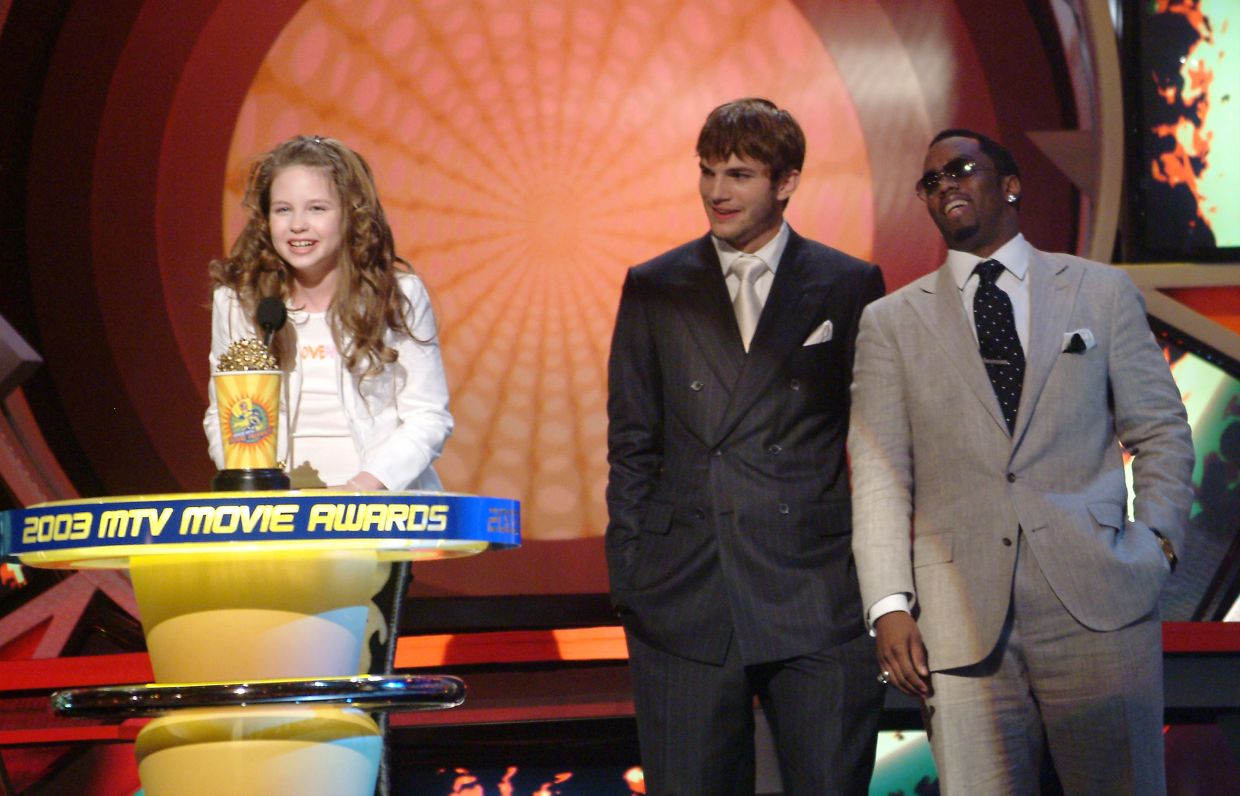
An archival video dating back two decades has resurfaced online, capturing music mogul Sean "Diddy" Combs inviting child actress Daveigh Chase to an afterparty when she was only 12 years old. The footage has renewed scrutiny of the disgraced entertainment figure, particularly given his recent criminal conviction and the tragic passing of the actress at age 35. The clip originated from the 2003 MTV Awards ceremony, where Chase had just won the award for Best Villain following her acclaimed performance as the ghost Samara Morgan in the horror film The Ring.
Daveigh Chase died on June 16 in a Los Angeles hospital following complications from bacterial meningitis and a blood infection, compounded by severe malnutrition, according to her father John Schwallier. In the final years of her life, Chase struggled with addiction and was living homeless near the medical facility where she ultimately passed away. Her death came months after Sean Combs' September 2024 arrest at the Park Hyatt Hotel in Manhattan, an event that would trigger intense public reckoning with his long-standing reputation for hosting extravagant gatherings.
The footage in question shows actor Ashton Kutcher and Combs presenting Chase with her MTV award. As the moment concluded, Combs approached the young actress with a drink in hand and casually asked whether she intended to attend the evening's afterparty. Chase nodded in response, prompting Combs to enthusiastically shout "Yeah!" while Kutcher appeared to laugh off the exchange. The casual nature of the interaction in real time masks its current troubling context, particularly given what has since emerged about the nature and conduct of Combs' private gatherings over several decades.
Combs, now 55, was arrested at one of Manhattan's most exclusive hotels following a federal investigation that would ultimately expose the systematic nature of his misconduct. Prosecutors alleged that the music producer orchestrated what he termed "freak-off" parties—multiday events characterised by extensive drug consumption and commercial sexual activity, frequently involving sex workers who prosecutors contended were coerced into participation. These allegations form the foundation of the charges that would lead to his conviction and represent a dramatic fall from grace for one of hip-hop's most prominent figures and successful record label executives.
In July 2025, a federal jury in New York found Combs guilty on two counts of transportation to engage in prostitution, culminating a high-profile sex trafficking trial that captivated national attention. The conviction reflected the jury's acceptance of prosecutors' evidence demonstrating a pattern of coordinated exploitation spanning years. Following his July guilty verdict, a judge sentenced Combs to 50 months in federal prison, a sentence that reflects the severity of the crimes but falls short of the maximum penalties prosecutors sought. He is currently incarcerated at FCI Fort Dix in New Jersey, where he faces the prospect of years behind bars.
Beyond the criminal case, Combs now confronts more than 100 civil lawsuits filed against him, representing an unprecedented volume of allegations spanning multiple decades and involving various complainants who have sought monetary damages for alleged harm. These civil actions compound the legal jeopardy facing the music mogul and suggest that the criminal conviction represents merely one dimension of the broader reckoning he now faces regarding his conduct. The cascade of legal proceedings has effectively dismantled the cultural influence and business empire that Combs had painstakingly constructed throughout his career.
The resurfaced MTV Awards clip has taken on new and troubling significance in light of subsequent revelations about Combs' behaviour and the convictions now on his record. The casual nature of his invitation to a preteen attendee—captured on camera during a live broadcast—serves as a sobering illustration of how predatory behaviour can sometimes occur in plain sight within entertainment industry settings. That the moment went essentially unremarked upon at the time speaks to broader failures within the industry to adequately scrutinise the conduct of powerful figures, particularly regarding their interactions with minors.
For Malaysian and Southeast Asian audiences, the case represents a cautionary narrative about the unchecked power wielded by entertainment moguls and the institutional failures that permit exploitation to persist. The music and entertainment industries across Asia have faced increasing pressure to implement stronger safeguarding protocols and accountability mechanisms in response to similar scandals. Combs' case demonstrates that even the most prominent and successful industry figures are ultimately subject to legal consequences when their misconduct reaches a threshold that triggers criminal investigation and prosecution.
The tragic circumstances surrounding Chase's death—homelessness, addiction, and medical complications—further underscore the human toll of a life derailed during childhood stardom. Her passing at such a young age serves as a broader commentary on the vulnerability of child actors within entertainment systems that often prioritise commercial interests above the wellbeing and protection of minors. The convergence of her death and the circulation of footage showing Combs' interaction with her as a child has created a poignant and uncomfortable cultural moment that invites reflection on systemic protections and accountability within the entertainment industry globally.

