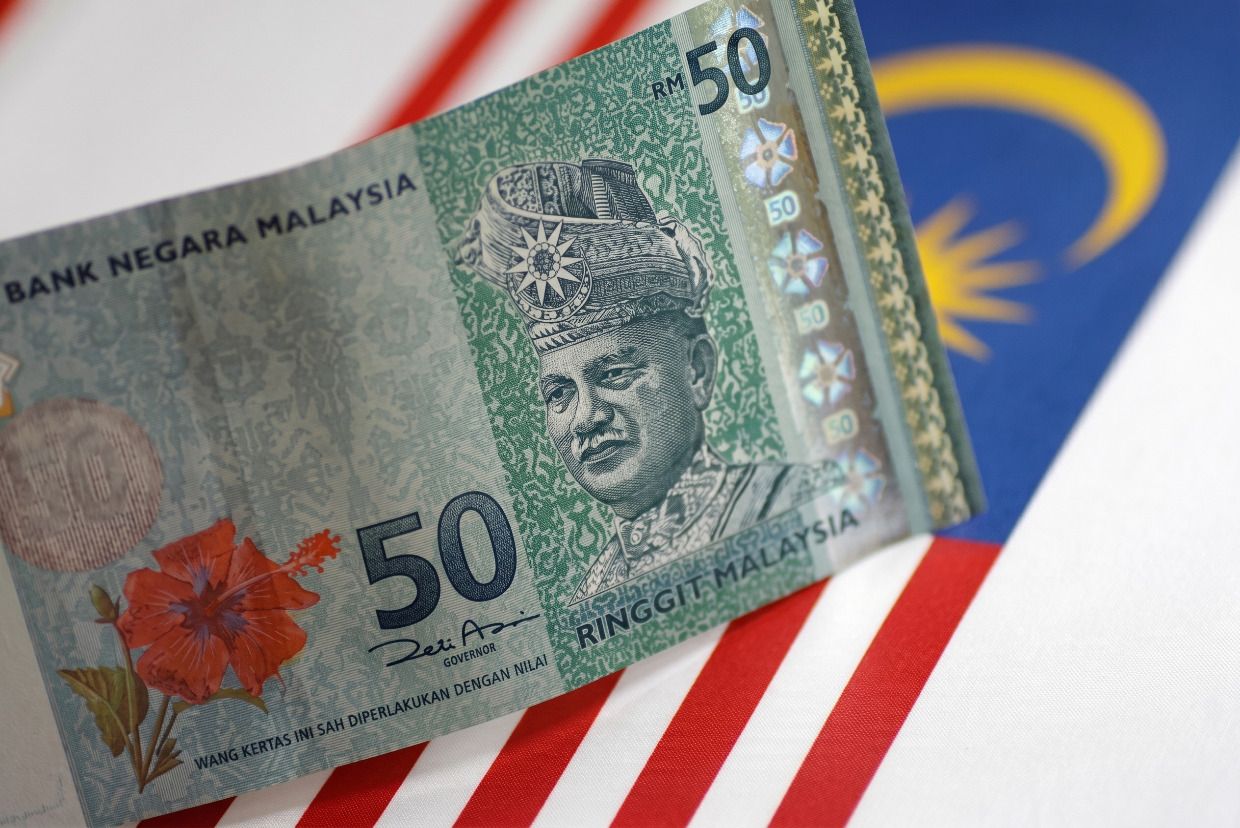
The Malaysian ringgit is positioned for a meaningful recovery after a disappointing first half of 2024, when it emerged as the worst-performing currency across Asia. Analysts now anticipate a turnaround driven by government efforts to attract foreign exchange inflows and underlying strength in Malaysia's economic performance. The currency closed the week 0.2% higher at 4.0722 against the dollar on Friday, with financial institutions increasingly optimistic about its prospects over the coming months.
Bank Negara Malaysia's intensified push to encourage the repatriation and conversion of multinational companies' foreign earnings represents a crucial policy lever, according to market observers. Royal Bank of Canada projects the ringgit will trade at 3.95 per dollar by the end of this year, while Australia & New Zealand Banking Group forecasts even stronger appreciation to 3.80, a level unseen since 2015. These projections hinge significantly on the effectiveness of BNM's campaign to redirect overseas corporate earnings back into ringgit-denominated assets, effectively creating a more stable foundation for currency support.
The turnaround began gaining traction immediately after BNM announced on June 24 its commitment to intensify capital inflow initiatives. Since that announcement, the ringgit has demonstrated notable resilience compared to regional peers, establishing a pattern of outperformance that contrasts sharply with its earlier weakness. Abbas Keshvani, macro strategist at RBC Singapore, emphasises that the conversion measures represent a critical mechanism linking Malaysia's structural trade advantages directly to currency strength. He notes that the ringgit should benefit from both Malaysia's sustained trade surplus and continued foreign investment appetite for local debt instruments.
Malaysia's export performance has provided substantial tailwinds for the currency outlook. Total exports surged 45 percent year-on-year during May, reflecting robust global demand and Malaysia's strategic position within semiconductor and electrical-electronic supply chains. More significantly, the nation's merchandise trade surplus reached a record monthly high of 40 billion ringgit—equivalent to approximately $9.8 billion—underscoring the breadth and strength of Malaysia's external position. This exceptional trade performance stands out regionally and provides a solid economic foundation for currency appreciation expectations.
The artificial intelligence revolution has emerged as an unexpected but powerful growth driver for Malaysia's economy. Surging global demand for data centre infrastructure has prompted substantial foreign investment inflows, while the nation's established electrical and electronic manufacturing base has capitalised on unprecedented international appetite for semiconductors and related components. This AI-related boost has amplified Malaysia's traditional export competitiveness and attracted heightened foreign interest in Malaysian assets across multiple sectors.
Bond markets have reflected this growing confidence in Malaysia's economic trajectory. Global institutional investors purchased approximately $2.1 billion worth of local bonds through June 29, positioning the market to achieve its largest monthly inflow since May 2025. This sustained appetite for ringgit-denominated fixed income demonstrates that international portfolio managers view Malaysian assets as increasingly attractive, a sentiment closely correlated with currency strength expectations. The consistent flow of foreign capital into local debt markets creates natural demand for ringgit, supporting the currency independent of trade considerations.
BNM's current approach draws direct lessons from 2024, when similar repatriation encouragement measures successfully arrested the ringgit's deterioration following its weakest level against the dollar in over a quarter-century. After hitting lows not seen since 1998, strategic policy interventions combined with improving economic conditions enabled the ringgit to recover spectacularly, eventually ranking as Asia's strongest performer throughout 2024. This historical precedent provides confidence that recent announcements may produce comparable results, particularly given the stronger external backdrop present today.
Kausani Basak, FX analyst at ANZ, highlights that corporate foreign currency deposits accumulated during March through May provide additional material supporting potential ringgit strength. BNM's measures specifically target converting these held foreign deposits into ringgit holdings, effectively mobilising liquidity already within Malaysia's financial system. Simultaneously, resilient foreign direct investment inflows—a characteristic feature of Malaysia's improved attractiveness—will contribute additional upward pressure on the currency. The analyst identifies these twin factors as particularly supportive for ringgit appreciation prospects.
Despite these positive fundamentals, headwinds remain a material consideration for investors. The United States Federal Reserve's increasingly hawkish monetary stance creates a structural headwind against emerging market currencies generally, including the ringgit. A more aggressively tightening Fed tends to strengthen the dollar broadly, which can overwhelm positive domestic factors in currency determination. Additionally, Malaysia's domestic political environment presents near-term uncertainty, with upcoming state elections scheduled to assess support for Prime Minister Anwar Ibrahim and his coalition before the next national polls. Political instability historically creates volatility in financial markets and can deter foreign capital flows, potentially constraining currency gains.
The intersection of structural economic strength and policy measures suggests the ringgit has entered a new phase of appreciation potential. However, realising the full upside to 3.80-3.95 ranges will require sustained execution of BNM's capital flow initiatives alongside political stability and continued global demand for Malaysian exports and assets. Market participants will monitor coming months closely to gauge whether the ringgit can definitively establish itself as a regional outperformer once again.

