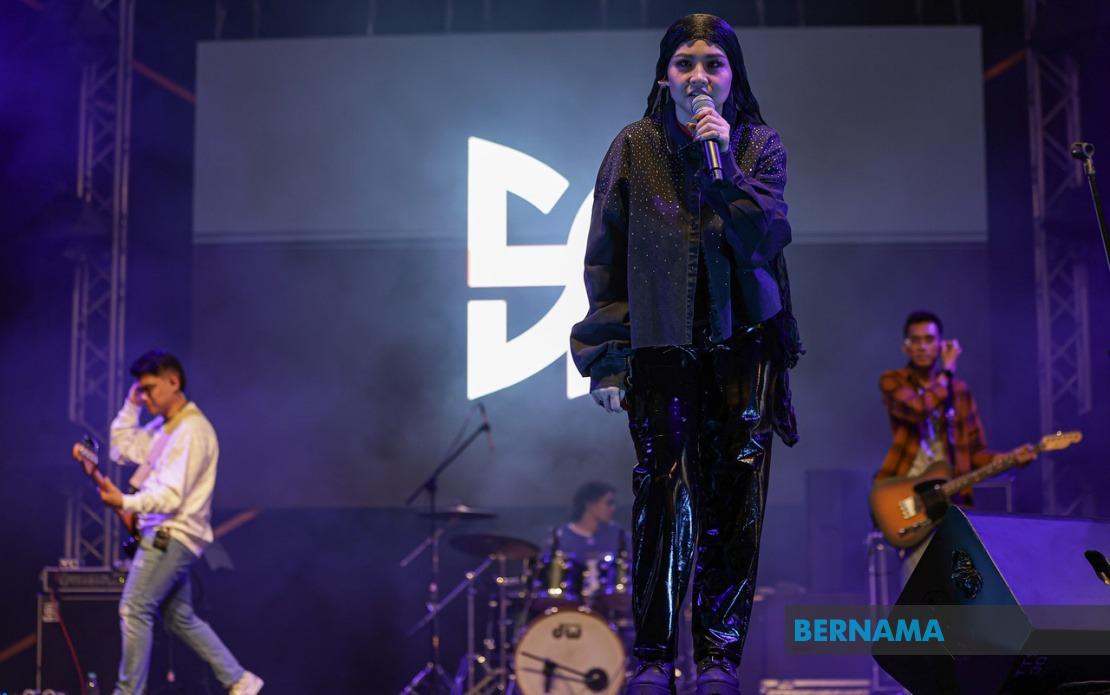
The RIUH Pi HAWANA 2026 concert opened to enthusiastic audiences in Butterworth on June 19, establishing itself as a cultural highlight for the National Journalists' Day festivities. Held at the PICCA Convention Centre@ Arena Butterworth parking lot, the event successfully mobilised the community across multiple demographic groups, combining live music with broader carnival activities that appealed to families and young adults alike. The opening night's momentum suggests strong interest in continuing the three-day programme through the weekend, despite less than ideal meteorological conditions that greeted the inaugural evening.
The artistic programme struck a balance between emerging creative talent and established names with considerable regional fan bases. The evening's opening act, indie band Pasca Sini, provided an accessible entry point for the assembled crowd, followed by Sakura Band, before veteran performers Exists took the stage. The band Exists, particularly recognised for their prolific catalogue of commercially successful releases dating back to the early 1990s, anchored the bill with nostalgic appeal alongside the fresher sounds of newer acts. This programmatic structure allowed organisers to retain audience members across age cohorts and musical preferences.
Weather presented a notable challenge, with light precipitation accumulating throughout the evening. Rather than reducing attendance, this environmental factor appeared inconsequential to the gathering's composition and energy levels. The resilience demonstrated by attendees underscores the cultural magnetism of the event itself, suggesting that promotional strategies and community engagement had effectively motivated participation beyond what casual exposure might generate.
Word-of-mouth and digital promotion combined to drive ticket sales and attendance. Zabrina Ishak, a 49-year-old resident of Bandar Puteri Jaya in Sungai Petani, Kedah, discovered the concert through content posted by singer Mamat on the TikTok platform. Her decision to attend with her spouse and two adolescent sons indicates that family-oriented marketing messaging resonated with established demographics seeking group entertainment experiences. Her commentary on the venue's accessibility and integration of food service alongside performance spaces reflects practical considerations that influence continued attendance at such events, particularly among older demographics who value comfort amenities alongside artistic content.
University-age participants constituted a substantial portion of the crowd, drawn through peer networks and proximity-based discovery. Nurul Aida Shahnolhadi, a first-year Physics Science student at Universiti Sains Malaysia, attended with her elder sister and a friend after receiving an invitation from an acquaintance employed near the venue. Her focus on specific performances—particularly Exists and Sakura Band—suggests that established acts provide anchoring attractions that drive attendance among younger audiences, even when initial awareness emerges through personal connections rather than formal marketing channels. The venue's relaxed environment and adequate facilities for congregation without pressure to purchase additional services facilitated her positive experience.
The social dimension of the concert appeared equally significant as the musical programming itself. Vynice Boo, an 18-year-old Foundation in Law student at Multimedia University, attended with a group of four companions, emphasising the gathering's function as a structured opportunity for peer socialisation within a culturally sanctioned context. This pattern—wherein young adults leverage public events as venues for group congregation—extends beyond passive consumption of artistic content into active community formation, suggesting deeper cultural utility for organisers and host municipalities.
The carnival infrastructure supporting the concert extended beyond the main stage performance into a diverse range of ancillary activities designed to capture wider family demographics. Weekend programming, scheduled from 4:00 pm through midnight, incorporates music performances alongside arts and cultural presentations, commercial opportunities for local food vendors and craft producers, and interactive programming structured to engage participants across age ranges. This comprehensive approach distinguishes the event from straightforward concert presentations, positioning it instead as a multipurpose community festival that integrates cultural celebration, commerce, and recreation.
Organisational responsibility for the three-day event rested with MyCreative Ventures, operating in partnership with the HAWANA 2026 Highlight Event structure. This collaborative framework reflects institutional recognition of the event's significance within broader National Journalists' Day observances, elevating entertainment programming beyond commercial entertainment into civic celebration. The presence of Datuk Fahmi Fadzil, the Minister of Communications, at the opening ceremony underscored governmental investment in the event's success and symbolic importance to communications and media sector constituencies.
The convergence of favourable attendance, diverse demographic representation, and integrated programming suggests that the RIUH Pi HAWANA concert may establish itself as an annual fixture within Malaysian entertainment calendar. The event's success in drawing participants from beyond Butterworth's immediate vicinity—as evidenced by attendees from Kedah—indicates regional rather than purely local appeal. For Malaysian entertainment stakeholders, the concert demonstrates viable models for monetising live performance through combined ticket revenue, vendor participation fees, and ancillary commercial activities, while simultaneously achieving cultural and community engagement objectives that justify institutional and governmental involvement in promotional and logistical support.

