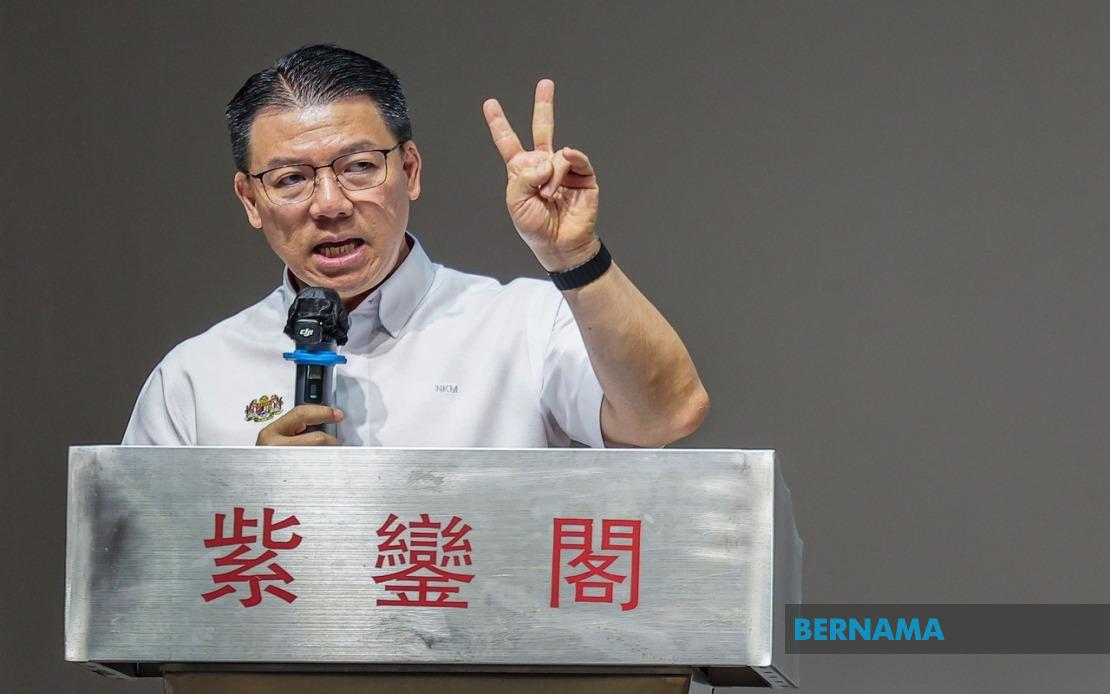
The Ministry of Housing and Local Government has channelled RM200 million into a four-year nationwide initiative to maintain non-Muslim houses of worship, demonstrating what Housing Minister Nga Kor Ming describes as the MADANI government's dedication to inclusive development across all communities. The Non-Muslim Houses of Worship Maintenance Initiative, which commenced in 2023, encompasses renovation and upkeep work for churches, gurdwaras, Hindu temples, Chinese temples and related community associations, establishing a structured funding framework that extends beyond purely Bumiputera-focused development programmes.
The scale of community demand for these maintenance grants underscores a significant infrastructure gap across Malaysia's religious institutions. Since the programme's inception, the e-RIBI System has processed 1,478 applications with a combined value exceeding RM279 million, indicating that approved funding covers less than three-quarters of submitted requests. This disparity suggests either capacity constraints within the current allocation or the existence of higher maintenance costs than initially anticipated across Malaysia's diverse religious premises, which range from century-old colonial-era churches to modern purpose-built temples serving growing congregations.
Johor emerges as a major beneficiary of this initiative, having received RM18.75 million in total allocations between 2023 and May 2026, benefiting 154 religious institutions across the state. During a recent handover ceremony in Kluang, the ministry announced an additional RM3.14 million specifically for 27 Johor-based religious facilities this year. These funds are earmarked for structural renovations, routine maintenance, new construction projects and emergency repairs, ensuring that religious premises maintain operational standards and provide safe environments for congregants and community activities.
Nga's framing of this initiative reflects broader governance philosophy within the current administration, positioning religious plurality and institutional support as cornerstones of national stability rather than peripheral concerns. His emphasis on building bridges rather than walls and fostering unity amid diversity speaks to Malaysia's persistent challenge of maintaining communal harmony while managing competing demands for public resources. In a nation where religious sensitivities frequently surface in political discourse, demonstrating tangible financial commitment to non-Muslim institutions serves as a counterbalance to perceptions of governmental preference toward Islamic institutional development, though comparable data on Islamic religious facility maintenance spending would be necessary for full comparative analysis.
The programme's mechanics warrant examination from a governance standpoint. The e-RIBI System represents digitalisation of the application process, theoretically improving transparency and reducing bureaucratic delays. However, the substantial gap between applications submitted and funds available raises questions about prioritisation criteria, approval timelines and whether institutions face disproportionate waiting periods. The ministry's commitment to professional monitoring of approved projects suggests awareness of potential implementation challenges, though specifics regarding oversight mechanisms and dispute resolution procedures remain opaque.
For religious institution management committees and congregations, this funding avenue addresses long-deferred maintenance backlogs that have accumulated due to limited community resources. Many older places of worship in Malaysia operate on modest community donations and face compounding infrastructure deterioration that requires expensive remedial work. Access to government grants enables these institutions to undertake preventative maintenance before structural integrity becomes compromised, extending asset lifespan and reducing future emergency expenditure.
The political economy of this initiative warrants consideration within Malaysia's electoral and coalition contexts. By demonstrating responsiveness to non-Muslim community infrastructure needs, the MADANI government signals inclusivity to minority religious constituencies while potentially strengthening support bases in competitive constituencies with significant non-Muslim populations. This approach differs markedly from previous governments' emphasis on Islamic institutional development as a primary policy objective, reflecting coalitional shifts and evolving political competition strategies.
Regional implications extend beyond Malaysia's borders, as Malaysia's approach to religious institution funding offers a model to neighbouring Southeast Asian nations managing religious plurality within democratic frameworks. Countries including Thailand, Indonesia and the Philippines grapple with similar challenges of equitably supporting diverse faith communities while maintaining state neutrality. Malaysia's systematic allocation of resources through dedicated funding schemes rather than ad-hoc grants demonstrates institutionalised commitment that may inspire regional policy development.
The sustainability of this RM200 million commitment beyond the initial four-year period remains uncertain. Future government administrations will determine whether funding continues, expands or contracts based on evolving political priorities and fiscal constraints. The current backlog of unmet applications suggests that merely maintaining present funding levels may prove insufficient to address accumulated maintenance deficits across Malaysia's estimated thousands of non-Muslim religious institutions. Strategic planning for long-term facility sustainability may require tiered approaches differentiating between critical structural repairs, routine maintenance and enhancement projects.
Implementation effectiveness ultimately depends on field-level execution in state and local authorities. Whilst ministerial announcements establish policy direction and allocate resources, actual project delivery involves coordination between religious institution committees, local government authorities and contractors. Delays, cost escalations or quality concerns at implementation stages could undermine programme objectives and erode community confidence in government support mechanisms. Transparent reporting on project completion rates and beneficiary satisfaction would strengthen programme credibility.
The initiative also reflects evolving Malaysian governance discourse emphasising integrated development that transcends religious categorisations. By treating religious institution maintenance as essential infrastructure rather than sectarian entitlement, policymakers frame these investments as contributing to community wellbeing broadly rather than privileging particular faith groups. This framing aligns with broader MADANI governance principles emphasising shared prosperity and inclusive growth, though sceptics might question whether comparable priority and resources flow toward Islamic institutional development through separate mechanisms.
Looking forward, programme expansion may benefit from enhanced data collection documenting infrastructure conditions across Malaysia's religious institutions, enabling evidence-based prioritisation and more accurate resource allocation. Geographic information systems mapping maintenance needs by region could optimise fund distribution and identify underserved areas. Additionally, knowledge-sharing platforms enabling religious institutions to exchange best practices in facility management and cost-effective maintenance could amplify programme impact beyond direct financial support.
The RM200 million investment represents meaningful recognition of religious institutional importance in Malaysian society and deliberate policy choice to resource community infrastructure equitably. Whether this initiative becomes a sustainable foundation for long-term religious facility maintenance or remains a limited-term programme depends on political continuity, fiscal sustainability and evolving policy priorities in coming years.

