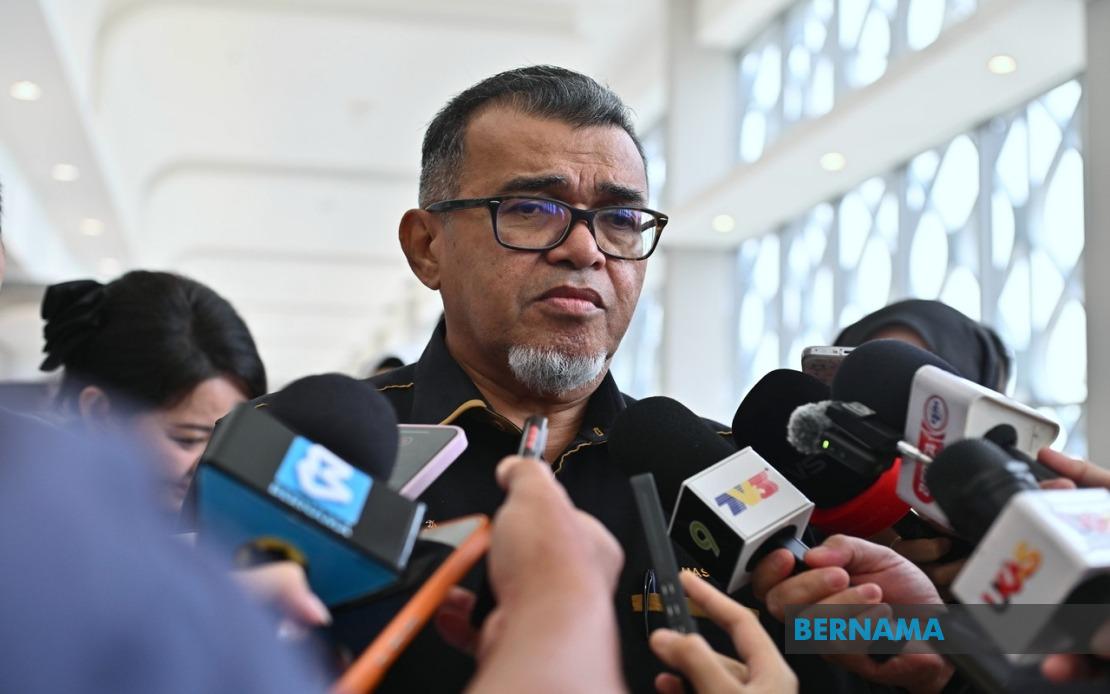
The Malaysian Federal Government is investing RM30 million to modernise the Short Take-Off and Landing (STOL) airports serving the rural communities of Long Banga and Ba'kelalan in Sarawak, representing a significant commitment to regional infrastructure development in Malaysia's easternmost state. Deputy Transport Minister Datuk Hasbi Habibollah revealed the allocation during a visit to Kuching on August 28, emphasising that the project reflects the government's priority to bring aviation improvements to underserved areas where conventional airports are neither viable nor practical.
The funding has been divided equally, with RM15 million dedicated to upgrading facilities at each location. This even distribution underscores the government's intention to provide equitable development across both communities, ensuring neither location receives preferential treatment over the other. The allocation addresses a longstanding challenge in rural Sarawak, where limited transportation infrastructure has historically constrained economic opportunities and access to essential services for remote populations who depend heavily on air connectivity.
Currently, both STOLports rely on Twin Otter aircraft, which are well-suited for landing on short runways but carry significant operational constraints. These reliable workhorses of remote aviation can accommodate only modest passenger loads per flight, creating bottlenecks during peak travel periods and limiting the volume of cargo that can be transported to support local commerce and community needs. The restriction on passenger capacity has effectively capped economic development potential in these areas, as goods cannot move efficiently to larger markets and residents face limited travel options.
The planned runway extensions form the centrepiece of the upgrade strategy, as longer airstrips would enable the deployment of larger, more capable aircraft on these routes. This shift would dramatically increase per-flight capacity, allowing operators to serve more passengers simultaneously and transport heavier loads of agricultural products, timber, and other goods originating from these regions. For the communities in Long Banga and Ba'kelalan, whose economies depend on producing and exporting local commodities, the ability to move greater volumes more frequently could prove transformative for local livelihoods and business expansion.
Beyond runway extensions, the project encompasses broader facility improvements designed to meet contemporary aviation standards and passenger expectations. Modern terminal facilities, improved drainage systems, better lighting infrastructure, and enhanced safety features will elevate the operational environment at both airports. These enhancements are essential for ensuring that staff and passengers experience conditions aligned with current best practices in aviation infrastructure, particularly important for elderly residents and those with mobility challenges who rely on these airports to access healthcare and other essential services in urban centres.
The timing of this announcement reflects broader policy emphasis on inclusive development under the government's MADANI framework, which prioritises equitable growth across Malaysia's diverse regions. Datuk Hasbi made his remarks while attending the National MADANI Taxi Renewal Programme for Sarawak, indicating that transport infrastructure improvements are being coordinated across multiple sectors and modes to create synergistic effects throughout the transport ecosystem.
For Sarawak specifically, improved STOLports address a critical infrastructure gap that has historically hindered rural development. The state's geography, characterised by dense forests, challenging terrain, and dispersed communities, makes air transport uniquely essential for connecting remote populations to regional and national networks. Unlike peninsular Malaysia where highway networks provide reliable alternatives, many Sarawakian communities have no practical ground transportation options, making aviation the lifeline for commerce, healthcare access, and administrative connectivity.
The investment also carries implications for emergency services and disaster response capabilities in these regions. Enhanced airport facilities and larger aircraft capacity would enable faster deployment of medical evacuations, rescue operations, and humanitarian assistance during crises. During flood seasons or health emergencies, the ability to rapidly move people and supplies using larger aircraft could literally save lives in communities often hours away from tertiary healthcare facilities.
Looking forward, the success of these upgrades will likely inform future infrastructure investment decisions across Sarawak's extensive network of smaller airports. If the Long Banga and Ba'kelalan projects deliver demonstrated improvements in connectivity, economic activity, and service quality, policymakers may identify additional STOLports warranting similar enhancements. This could establish a template for systematic rural aviation development that could eventually benefit dozens of remote communities across Sarawak and potentially in Sabah and peninsular Malaysia.
The RM30 million allocation also reflects growing recognition among federal policymakers that rural aviation infrastructure represents genuine economic development, not merely subsidy. Improved air connectivity in these areas can attract investment, facilitate tourism, support agricultural value chains, and reduce the isolation that has traditionally limited entrepreneurial activity in remote communities. For Malaysia's broader development objectives, particularly in achieving balanced regional growth and improving quality of life standards across all states, investments of this nature address fundamental structural constraints that no amount of urban-focused spending can remedy.

