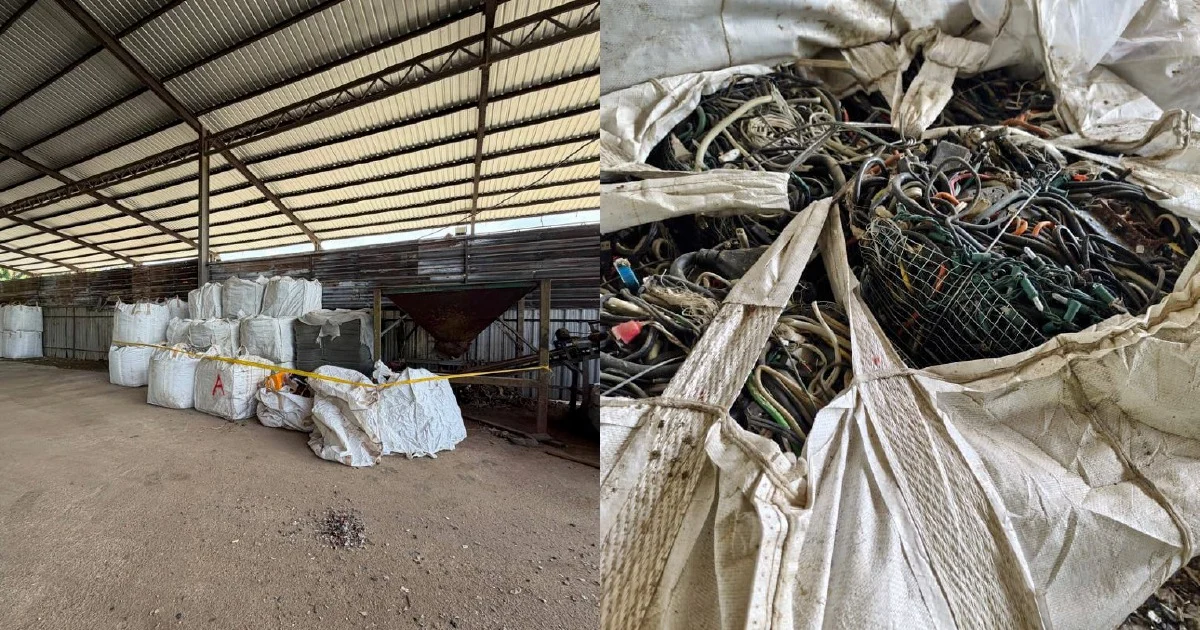
A coordinated enforcement operation in Bukit Mertajam has resulted in one of the region's significant crackdowns on illegal e-waste handling, with authorities recovering materials valued at approximately RM3 million from an unlicensed processing and storage operation. The raid, conducted yesterday, culminated in the arrest of five individuals believed to be operating the facility without proper authorization or environmental safeguards.
The discovery underscores the persistent challenge facing Malaysian authorities in combating the underground electronic waste trade, which has flourished despite mounting international concern over hazardous material disposal. Bukit Mertajam, located in the northern industrial corridor of Penang, has increasingly become a focal point for such illicit operations, owing to its proximity to manufacturing zones and logistical networks that facilitate the movement of contraband materials.
Electronic waste presents a multifaceted environmental and public health threat. The materials seized typically contain copper wiring, circuit boards, and other components rich in precious metals and rare earth elements, which drive black-market demand. However, the extraction of these materials through informal and unregulated processes generates severe pollution. Without proper containment, toxic substances including lead, mercury, and cadmium leach into groundwater and soil, poisoning agricultural land and residential areas. Workers at illegal facilities face direct exposure to these hazards without protective equipment or medical support.
The five detainees are now under investigation to determine their roles within the operation, whether as operators, managers, or workers. Authorities will also probe the supply chain—identifying where the e-waste originated, which customers received processed materials, and whether the facility had connections to larger trafficking networks spanning multiple states or international borders. Such intelligence is critical, as Malaysian organized crime syndicates frequently operate interconnected e-waste networks across the region.
For Malaysian consumers and businesses, the implications are immediate. The proliferation of informal recycling channels reflects insufficient incentives for proper disposal. When the legitimate recycling industry cannot compete with cash-paying scrap dealers, devices accumulate in warehouses or end up in unregulated hands. This dynamic has worsened as Malaysia's technological consumption accelerates—more smartphones, laptops, and appliances are discarded annually, yet formal e-waste processing capacity remains constrained by cost and regulation.
International dimensions compound the challenge. Wealthy nations have historically exported their electronic waste to developing countries, including Malaysia, where cost-cutting and lax enforcement create profitable opportunities for smugglers. Although Malaysia has strengthened import controls in recent years, porous borders and sophisticated concealment methods allow significant volumes to enter illicitly. The RM3 million seizure likely represents only a fraction of materials flowing through illegal channels.
The Bukit Mertajam operation exemplifies why enforcement must be paired with structural reform. Legitimate e-waste processors in Malaysia struggle to achieve economies of scale because regulatory costs are high, competition from illegal operators is fierce, and consumer awareness remains low. Government incentives for proper recycling—such as extended producer responsibility schemes or tax breaks for licensed facilities—remain underdeveloped compared to neighboring countries like Singapore and Thailand.
Workers employed at illegal facilities are among the most vulnerable casualties of this trade. Many are migrants or undocumented laborers with limited recourse to labor protections. They inhale fumes, handle corrosive chemicals, and suffer injuries from machinery, all without insurance or medical care. Rescue organizations have documented cases where workers suffered severe chemical burns and respiratory illnesses contracted at such sites. The human cost remains invisible in enforcement statistics.
The enforcement action also reveals the dedication of Malaysian regulatory bodies, which have expanded operations against environmental crimes in recent years. The Department of Environment, Customs, and local police coordinated this raid, reflecting improved inter-agency collaboration. However, resource constraints remain a limiting factor. Building sustained pressure on illegal operators requires consistent investment in intelligence, surveillance, and inspections—areas where many Southeast Asian enforcement agencies are chronically underfunded.
Looking ahead, the five detainees' prosecution could set important precedent. If courts impose substantial penalties—custodial sentences, forfeiture of assets, and environmental remediation fines—the deterrent effect may encourage other facility operators to close or regularize. Conversely, lenient sentencing might embolden further illegal operations, as perpetrators calculate the risk-reward ratio in their favor.
The seizure also prompts reflection on consumer responsibility. Malaysians dispose of millions of devices annually, often through informal collectors. Awareness campaigns about legitimate recycling pathways could gradually shift behavior, reducing the supply available to smugglers and illegal processors. Some manufacturers now offer take-back schemes, and the government has designated certain facilities as authorized e-waste processors, but public knowledge of these options remains patchy.
Regional coordination will prove essential for long-term success. E-waste trafficking networks operate across borders, requiring intelligence sharing and coordinated enforcement among ASEAN nations. Malaysia's experience combating this trade contributes valuable lessons for the region, particularly as Vietnam, Cambodia, and Laos increasingly become destination points for illegal e-waste imports. Joint task forces and harmonized regulations could significantly raise compliance costs for smugglers, making legitimate channels more competitive.
The RM3 million haul in Bukit Mertajam represents both a victory for enforcement and a reminder of the scale of the underground economy Malaysia confronts. Sustaining the momentum will demand not merely raids and arrests, but systemic measures: consumer education, manufacturer accountability, industrial policy favoring legitimate recyclers, and sustained international cooperation against a trade that respects no borders.