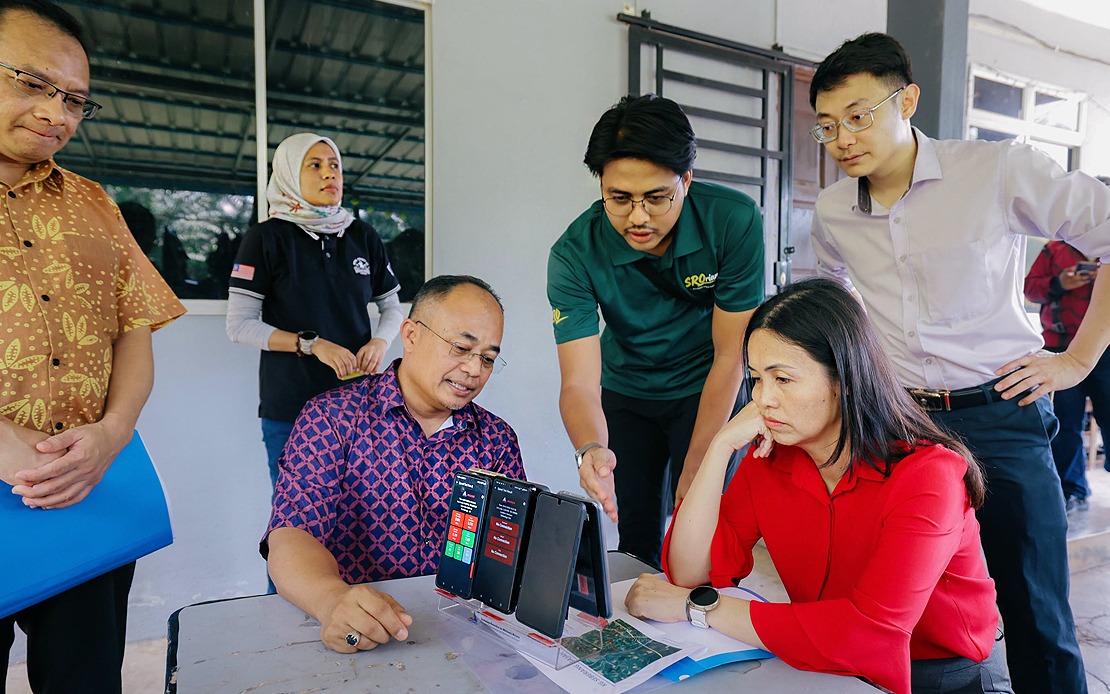
Residents of Kampung Seberang Gajah in Tangkak can expect meaningful improvements to their internet connectivity following confirmation that a new telecommunications infrastructure project will move forward in their community. During a site inspection on July 9, Deputy Communications Minister Teo Nie Ching outlined the concrete steps being taken to address long-standing digital access challenges that have affected the area's population, signalling progress on a connectivity problem that has plagued many rural Malaysian communities.
Despite the presence of two existing telecommunications towers serving the vicinity, their combined coverage has proven inadequate for the growing demands of the surrounding population. The existing infrastructure, while providing some baseline service, has consistently failed to deliver the bandwidth and signal strength needed for reliable internet access. This gap between available infrastructure and actual community needs prompted the Malaysian Communications and Multimedia Commission (MCMC) to take decisive action by directing telecommunications service providers to expand their physical presence in the area.
The remedial solution centres on constructing an additional tower strategically positioned to fill the coverage gaps left by the existing facilities. Rather than relying on upgrades or network optimisation alone—approaches often insufficient in areas with significant topographical challenges—the MCMC determined that expanding the physical tower network represented the most effective path to resolving the chronic connectivity issues. This approach reflects a broader recognition within Malaysia's telecommunications regulator that rural areas frequently require infrastructure investments comparable to urban centres to achieve comparable service quality.
Teo revealed that the detailed planning phase has concluded, meaning the telecommunications company responsible for the project has completed site surveys, engineering assessments, and technical specifications. The project now awaits formal permit approval from the local authority administering Tangkak, a procedural step that, while necessary, can sometimes extend timelines considerably. The deputy minister emphasised the importance of accelerating this approval process, acknowledging that communities waiting for improved connectivity cannot afford extended delays in permitting bureaucracy.
The on-site inspection brought together multiple stakeholders invested in resolving Kampung Seberang Gajah's digital infrastructure gaps. Accompanying Teo were Bukhari Yahya, the Head of the State Affairs Sector, Rizal Abd Malek, the MCMC Southern Region Office director, and representatives from telecommunications service providers operating in the area. This coordinated presence underscored the multi-agency commitment to following through on infrastructure commitments rather than allowing the project to stall at the approval stage.
For Malaysian rural communities, the significance of this project extends beyond simple internet access. Reliable connectivity has become essential for educational advancement, economic participation, and access to government services. Students in underserved areas struggle to complete online assignments and access digital learning resources, small business owners cannot reliably operate e-commerce platforms, and residents face barriers to accessing telemedicine and digital government services. The persistent connectivity gap has created a widening digital divide between urban and rural Malaysia, disadvantaging younger generations in particular.
The broader Southeast Asian context makes Malaysia's commitment to rural connectivity particularly relevant. Regional competitors including Thailand and Vietnam have invested heavily in extending mobile and broadband networks to remote areas, recognising that digital inclusion directly contributes to economic competitiveness and social development. Malaysia's effort to systematically address coverage gaps aligns with this regional understanding that telecommunications infrastructure represents critical development infrastructure, equivalent in importance to roads and electricity networks.
Teo's call for expedited permitting reflects an understanding that while planning is necessary, excessive procedural delays undermine public confidence in government commitments. Communities that have endured prolonged connectivity problems require evidence that announced solutions will materialise within reasonable timeframes. The compression of permitting timelines, where possible, serves both practical and political purposes—ensuring residents receive promised services while demonstrating that government machinery can operate efficiently when priorities are clear.
The construction itself will likely take several months once permits are secured, involving tower erection, equipment installation, and network integration with existing systems. Throughout this period, residents will watch for visible progress, viewing the growing tower as evidence that their long-documented grievances have finally commanded sufficient official attention. The physical presence of new infrastructure provides tangible proof of government responsiveness in a way that announcements alone cannot deliver.
Looking forward, the successful completion of this Tangkak project could establish a model for addressing similar connectivity gaps elsewhere in Malaysia. Many rural communities face comparable challenges—existing towers with insufficient coverage, growing connectivity demands, and frustration with service quality. If Kampung Seberang Gajah achieves the improved connectivity that current plans promise, it may accelerate similar projects in other areas, as communities demand comparable government attention to their digital infrastructure needs.
The project also reflects evolving regulatory approaches by the MCMC, which has shifted from passive monitoring of service quality toward more interventionist positions directing specific infrastructure investments. This represents a recognition that market forces alone sometimes fail to deliver adequate coverage in lower-density areas where infrastructure costs are higher and revenue potential is constrained. Direct regulatory mandates, while occasionally controversial with service providers, ensure that commercially marginal areas nonetheless receive essential connectivity infrastructure.

