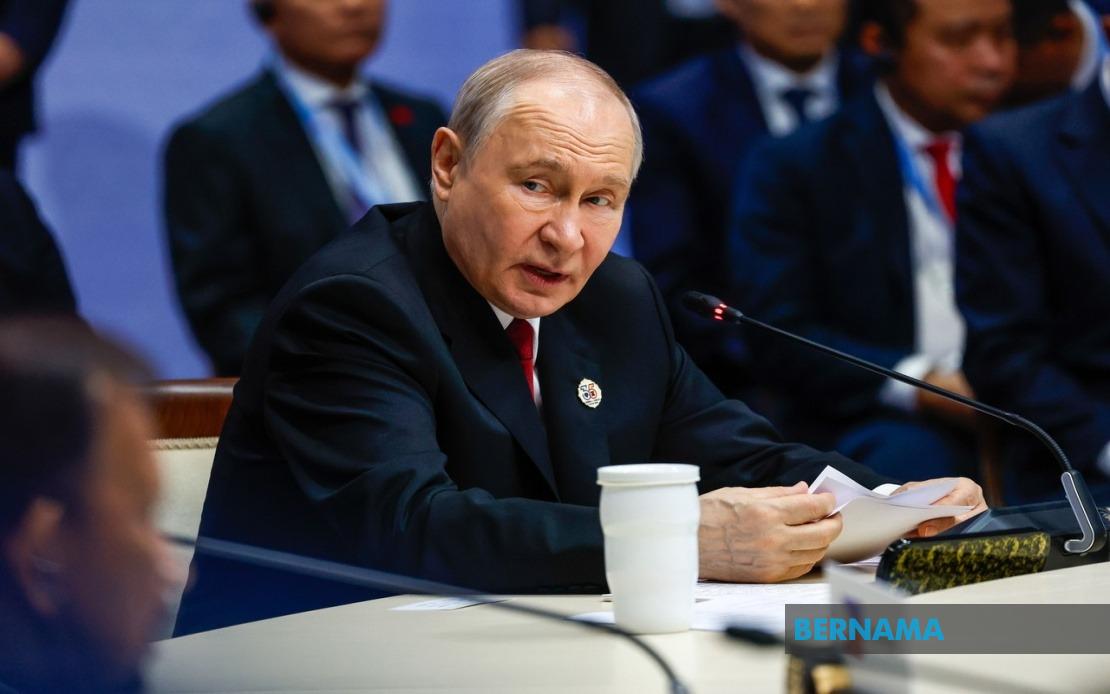
Russia and the Association of Southeast Asian Nations have strengthened their strategic partnership into a crucial stabilising force for the Asia-Pacific region, according to Russian President Vladimir Putin at a commemorative summit in Kazan this week. The remarks underscore Moscow's commitment to deepening engagement with Southeast Asia at a time when geopolitical tensions are reshaping regional dynamics and compelling nations to reassess their diplomatic alignments.
The relationship between Russia and ASEAN has matured substantially since formal ties were established in 1991 in Kuala Lumpur. In the three and a half decades since, the partnership has evolved from initial contact into a comprehensive strategic alliance elevated to formal status in 2018. This progression reflects sustained commitment from both parties to build collaboration across multiple domains, transcending the conventional security and political spheres that typically anchor bilateral relationships.
Putin emphasised that the foundation of this partnership rests on respect for international law and alignment of mutual interests, principles he characterised as increasingly vital in an era of shifting global power dynamics. The Russian leader framed the relationship as embodying a commitment to what he termed a balanced security architecture in the region, implicitly positioning Russia as a counterbalance to other major powers contending for influence in Asia-Pacific affairs. This narrative carries particular resonance for Southeast Asian nations seeking to maintain strategic autonomy while managing great-power competition in their neighbourhood.
The scope of Russia-ASEAN cooperation extends across an expansive range of sectors that reflects the complexity of modern international relations. Security arrangements, traditional trade and investment flows, and energy partnerships form the backbone of engagement. Simultaneously, both sides have prioritised emerging domains including digital transformation, agricultural development, scientific collaboration, and educational exchanges. This breadth suggests that Russia views ASEAN not merely as a geopolitical counterweight but as a comprehensive partner capable of contributing to Russia's modernisation agenda.
For Southeast Asian nations, the relationship offers distinct advantages, particularly in areas where Russia possesses comparative strength. Energy security remains paramount for a region heavily dependent on imports, and Russia's position as a major hydrocarbon producer makes it an indispensable partner for diversifying supply chains. Beyond energy, Russian expertise in technology, agricultural innovation, and higher education research creates opportunities for skill transfer and capacity building throughout the region. These tangible benefits explain why ASEAN states maintain robust engagement with Moscow despite broader international polarisation.
The timing of this commemorative summit carries significance beyond ceremonial observance. Global economic uncertainties stemming from trade tensions, supply chain disruptions, and divergent monetary policies have created pressure on developing economies across Southeast Asia. Energy security concerns, exacerbated by geopolitical disruptions, remain acute. In this context, Russia's emphasis on food and energy security cooperation addresses immediate regional anxieties. A diversified approach to sourcing these essential commodities reduces vulnerability to any single supplier or trading bloc, a strategic imperative for nations conscious of their economic exposure.
The attendance of prominent ASEAN leaders, including Prime Minister Datuk Seri Anwar Ibrahim and Philippine President Ferdinand Marcos Jr in his capacity as current ASEAN Chair, underscores the institutional importance both sides accord to this relationship. The participation of multiple national leaders at a two-day summit format indicates that Russia-ASEAN engagement operates at the highest diplomatic levels, not relegated to technical or lower-level bureaucratic channels. This elevation reflects recognition that partnership outcomes will influence regional trajectories across political, economic, and security domains.
From Malaysia's perspective, engagement with Russia through ASEAN frameworks offers particular value. The country's historical commitment to non-aligned foreign policy principles aligns naturally with Russia's emphasis on mutual respect and sovereignty. Malaysia's substantial trade relationships and energy partnerships with Russia provide bilateral depth beyond the regional mechanism. Furthermore, Malaysian businesses increasingly recognise opportunities in Russian markets and technology sectors, suggesting that deepened ASEAN-Russia cooperation could yield commercial advantages for Malaysian enterprises seeking geographical diversification.
The strategic partnership framework addresses security architecture in ways distinct from traditional alliance structures dominated by Western institutions. Rather than hierarchical arrangements centring on a dominant power, the ASEAN-Russia relationship emphasises consultation, reciprocal benefit, and respect for regional autonomy. This approach resonates with ASEAN's foundational principle of non-interference in members' internal affairs and its commitment to maintaining equidistant relationships with major powers. Russia's articulation of this model appeals to Southeast Asian states wary of pressure to choose sides in broader geopolitical competitions.
Looking forward, the partnership faces both opportunities and constraints. Digital transformation represents a frontier where Russian capabilities in cybersecurity, artificial intelligence, and technology infrastructure could significantly contribute to Southeast Asian development objectives. Agricultural collaboration could enhance food security for a region vulnerable to climate impacts and population growth. Scientific partnerships in fields ranging from space technology to medical research offer mutual benefits. However, the partnership must navigate international sanctions regimes affecting Russian commerce, which could complicate the expansion of trade and investment dimensions that underpin strategic deepening.
The strategic balance sought through Russia-ASEAN partnership reflects broader regional realities. Southeast Asia's geostrategic importance ensures sustained great-power attention, yet the region's preference remains maintaining flexibility rather than rigid alignments. Russia's approach of emphasising stability and balanced architecture appeals to this preference. Whether this partnership can consistently translate diplomatic declarations into measurable cooperation outcomes across the full spectrum of declared areas will determine its substantive impact on regional dynamics and Southeast Asian interests in coming years.

