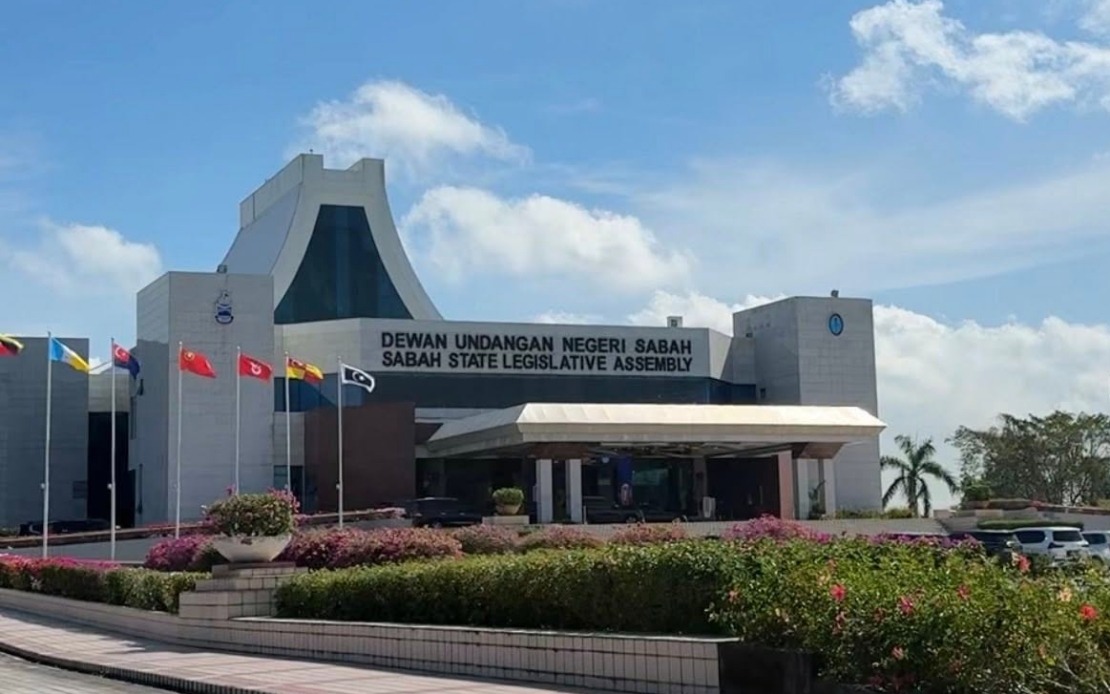
The Sabah State Legislative Assembly has cleared the way for RM1.61 billion in additional government spending for 2026, providing the state with fresh resources to address emerging fiscal needs and programmatic requirements. Lawmakers voted in favour of the Supplementary Supply Bill 2026 following floor debate involving 42 assemblymen on Monday, with Deputy Chief Minister II and State Finance Minister Datuk Seri Masidi Manjun steering the measure through its approval stage on Sunday before securing final passage. The motion carried by majority voice vote under the supervision of Sabah State Legislative Assembly Deputy Speaker Datuk Al Hambra Tun Juhar, confirming the state government's budgetary priorities for the remainder of the fiscal year.
The RM1.61 billion package has been structured across six distinct spending channels, each targeting specific governance and development objectives. The largest allocation, worth RM856 million, flows into statutory fund contributions that underpin long-term financial commitments and institutional obligations. Operating expenditure claims RM278 million, funding the day-to-day running costs of state agencies and government services that citizens depend upon. Development expenditure receives RM210 million, channelled toward infrastructure projects and capital investments designed to expand Sabah's productive capacity.
Administrative expenditure has been allocated RM162 million to support the machinery of government, enabling state departments to function effectively and deliver public services. State grants totalling RM93 million provide targeted financial support to qualifying recipients and programmes aligned with government policy priorities. Rounding out the package are special allocations of RM13 million, reserved for unforeseen requirements or strategic initiatives that demand immediate attention.
This supplementary supply mechanism reflects fiscal realities facing Malaysian states, where initial budget estimates must sometimes be adjusted mid-year to accommodate changed circumstances or emerging priorities. For Sabah, a resource-rich state on Borneo's northern coast, such additional allocations often reflect evolving needs in areas like infrastructure maintenance, disaster recovery, or expanded social programming. The scale of the 2026 supplementary bill suggests significant operational or developmental pressures that were not fully anticipated during the initial budget cycle.
The approval process itself offers insight into Sabah's legislative dynamics. With 42 assemblymen participating in debate, the measure attracted substantial parliamentary attention, indicating that members across the political spectrum took the opportunity to scrutinise government spending priorities. This level of engagement underscores the importance legislators attach to fiscal accountability, even when dealing with supplementary rather than primary appropriations. The voice vote mechanism used for final passage is standard parliamentary procedure, though it meant individual voting positions were not recorded by name.
For the broader Malaysian federation, Sabah's budgetary decisions carry regional significance. As one of the nation's largest states by area and a major contributor to federal revenue through petroleum and natural resource extraction, Sabah's fiscal health directly influences economic stability across Southeast Asia's maritime zone. When Sabah invests in development or administrative capacity, it affects regional commerce, infrastructure connectivity, and employment patterns that ripple through neighbouring jurisdictions including Sarawak, Brunei, and parts of Indonesia and the Philippines.
The distribution of funds across six categories also reveals state priorities during what remains an economically uncertain period for Malaysia and the broader region. The emphasis on statutory contributions signals commitment to meeting existing financial obligations, a conservative approach that prioritises stability. Simultaneously, the allocation to development expenditure—while not the largest component—demonstrates determination to pursue growth-oriented projects that could enhance Sabah's long-term competitiveness. The balance between these elements suggests a government attempting to maintain both fiscal discipline and forward momentum.
From a governance perspective, the supplementary supply bill process serves as a necessary flexibility mechanism within Malaysia's budget framework. Unlike federal budgets, which operate under more rigid structures, state-level supplementary appropriations allow governments to respond to genuine new requirements without waiting for the next full budget cycle. This proves particularly valuable in Sabah, where weather-related disruptions, commodity price volatility, or sudden infrastructure needs can force resource reallocation.
The timing of this 2026 supplementary bill carries additional weight, as it comes at a period when state governments nationwide are grappling with inflation pressures, wage demands, and constituency expectations for expanded services. Sabah's decision to inject an additional RM1.61 billion reflects confidence in the state's fiscal capacity, though observers will note that much of the allocation addresses existing obligations rather than new initiatives. The predominance of statutory contributions in the package underscores the reality that significant portions of state budgets are already committed to fixed costs.
The Legislative Assembly will resume sitting the following day, suggesting other legislative business awaits attention. This continuation of parliamentary sittings reflects the typical rhythm of state governance, where multiple legislative items are bundled into concentrated sitting periods rather than extended sessions. The supplementary bill's passage clears one major item from the agenda, allowing focus to shift to other government priorities or constituency-related matters that occupy lawmakers' attention.
As Malaysia navigates an increasingly complex fiscal environment characterised by competing demands for healthcare, education, infrastructure, and social support, state governments like Sabah must demonstrate both fiscal responsibility and responsiveness to constituent needs. This supplementary supply bill represents one mechanism through which that balance is struck, providing additional resources where genuine requirements have emerged while maintaining overall budget discipline.

