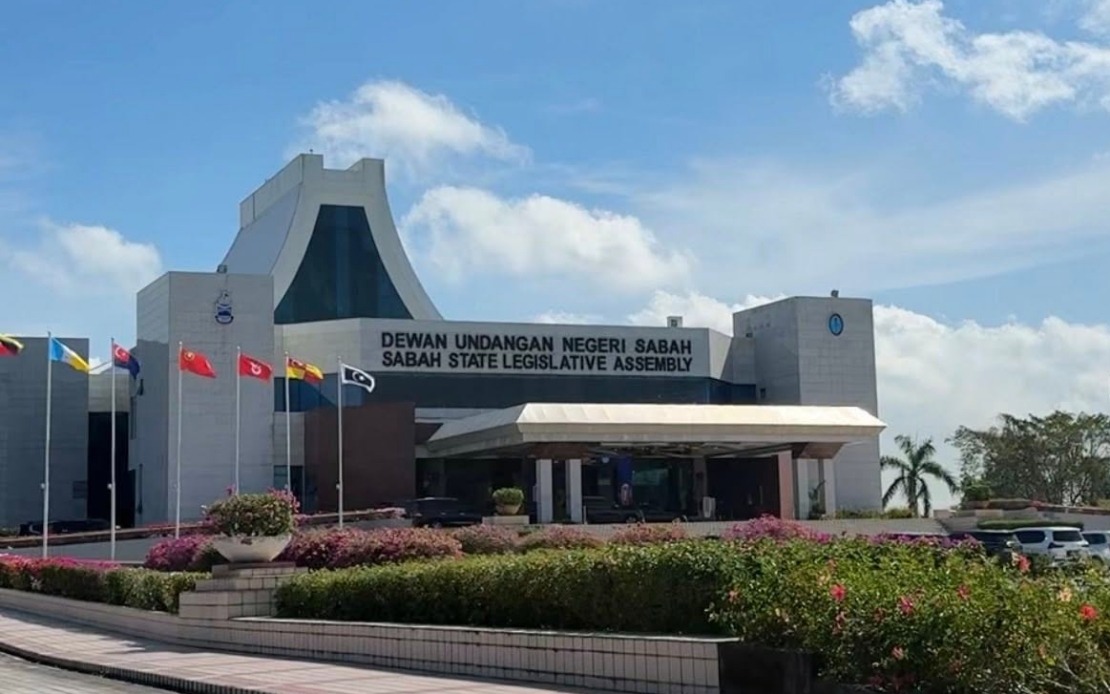
The Sabah Legislative Assembly has cleared two landmark pieces of legislation designed to overhaul how the state manages Islamic inheritance matters and administers customary justice for indigenous communities. Passed on July 22, the Muslim Succession Bill 2026 and the Native Courts Bill 2026 represent substantive reforms to legal frameworks that shape the daily lives of Sabahans across multiple jurisdictions. Both bills were introduced by Sabah Local Government and Housing Minister Datuk Dr Mohd Arifin Arif, whose portfolio encompasses Islamic Affairs, underscoring the interconnected nature of religious and administrative governance in the state.
The Muslim Succession Bill 2026 emerged from assembly debate involving five elected representatives and received approval before Speaker Datuk Seri M Kadzim Yahya. This legislation holds particular significance for Malaysia's broader legal landscape, as it marks the first time the nation has enacted a dedicated law specifically addressing how Syariah Courts administer and oversee the estates of deceased Muslims. Previously, this area operated without a unified statutory framework, creating potential gaps in asset protection and heir safeguarding.
According to Datuk Dr Mohd Arifin's presentation to the assembly, the bill rests on four foundational pillars. First, it establishes a systematic legal architecture for regulating Muslim inheritance, replacing ad-hoc practices with standardised procedures. Second, the legislation prioritises protecting the rights and financial interests of all beneficiaries and parties holding legitimate claims against an estate. Third, it ensures that the administration of deceased estates aligns with syariah principles, respecting Islamic jurisprudence on succession and distribution. Fourth, and arguably most critical, the bill strengthens mechanisms to prevent the misappropriation, concealment, or unauthorised disposal of estate assets—concerns that have historically plagued intestate administrations across Malaysian states.
The implications for Malaysian and regional estate planning extend beyond Sabah's borders. As the country's most populous state on Borneo and a territory with significant Muslim populations, Sabah's approach to Islamic succession will likely influence discussions in other states considering similar reforms. The explicit focus on enforcement and compliance suggests that legislators recognise previous regulatory shortcomings and are attempting to close loopholes that enabled disputed inheritance processes or asset diversion. For practising Muslims in Sabah engaged in business, real estate ownership, or family wealth transfers, this bill provides unprecedented clarity on how their posthumous affairs will be managed.
The Native Courts Bill 2026, debated by twelve assemblymen before Deputy Speaker Datuk Richard Wong We Kong, addresses an equally pressing concern: whether customary justice systems for Sabah's indigenous communities remain fit for contemporary application. The predecessor legislation, dating from 1992, had governed native affairs through a legal framework designed over thirty years ago. Stakeholders argued that the passage of more than three decades warranted comprehensive modernisation to accommodate evolving social, economic, and judicial realities while preserving the distinctive legal character of indigenous customary systems.
The reform's central innovation involves restructuring the hierarchy of native courts into three distinct tiers: the Native District Court at the foundation, the Native High Court at the intermediate level, and the Native Court of Appeal as the apex body. This tiered architecture mirrors structure found in Malaysia's civil court system, potentially improving case management, appeals processes, and the consistency of decisions across different indigenous communities. The hierarchical clarification aims to eliminate ambiguity about jurisdictional boundaries and facilitate the orderly progression of appeals.
Equally significant is the establishment of a Native Judicial Appointments Advisory Committee tasked with evaluating and recommending judicial candidates. Datuk Dr Mohd Arifin emphasised that this committee will assess nominees on the basis of transparency, merit, professional qualifications, practical experience in customary law, and personal integrity. This merit-based approach represents a departure from previous appointment conventions that often elevated administrators to judicial roles regardless of their substantive legal knowledge. By prioritising actual judicial capability and customary law expertise over administrative seniority, Sabah acknowledges that indigenous justice systems require judges who possess both cultural fluency and adjudicative skill.
For Sabah's Kadazan, Dusun, Murut, and other indigenous populations, this reform carries symbolic and practical weight. Indigenous customary law addresses matters ranging from land disputes and inheritance rights within native communities to interpersonal disputes governed by traditional norms. By modernising the judicial framework while explicitly rejecting assimilation into the civil court system, Sabah signals that it values preserving the cultural identity and procedural uniqueness of indigenous jurisprudence. The reform articulates a vision in which customary justice systems evolve responsively to contemporary demands without surrendering their distinctive character.
The timing of both bills reflects broader regional and national trends toward legislative modernisation in Malaysian states. Over the past decade, state assemblies across Peninsular Malaysia and East Malaysia have undertaken similar exercises in updating inherited colonial-era laws or outdated independent-era statutes. Sabah's moves suggest that post-pandemic governance has renewed attention to institutional efficiency and legal clarity. The two bills together signal a maturing approach to recognising that effective governance requires both responsive state institutions and respectful engagement with religious and customary legal traditions that coexist within Malaysia's pluralistic framework.
These legislative passages will require implementing regulations and procedural guidelines before full operationalisation. The Syariah Courts and native courts will need time to adapt their administrative practices and staff training to align with the new statutory requirements. However, the assembly's approval establishes the legal foundation for these transformations. For residents of Sabah, legal practitioners, and observers of Malaysian institutional development, these bills represent tangible attempts to balance modernisation with cultural and religious continuity—a balancing act that remains central to governance across Southeast Asia.

