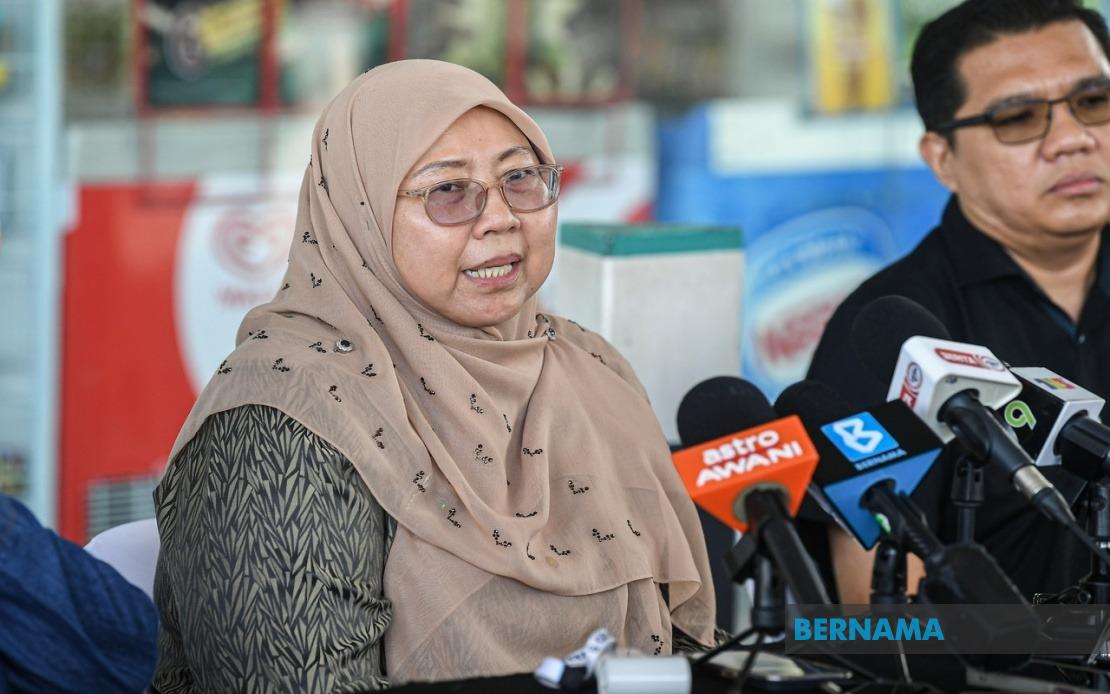
The Pakatan Harapan coalition has brushed aside a series of alleged sabotage incidents during its campaign for the Johor state election, with party officials insisting the disruptions remain isolated and will not undermine the momentum it has built across contested constituencies. Speaking in Johor Bahru on Tuesday, PKR secretary-general Datuk Fuziah Salleh characterised reports of torn posters, damaged billboards, and burned party flags as minor grievances that have failed to derail the broader campaign effort. Her comments came as the ruling coalition intensifies its push ahead of polling day on July 11, with early voting scheduled for July 7 across 172 contested seats.
Fuziah, who doubles as Deputy Minister of Domestic Trade and Cost of Living, acknowledged that specific incidents of vandalism and sabotage have occurred but maintained that the overall campaign environment remains measured and focused. She portrayed the incidents as sporadic rather than systematic, suggesting they represent the typical friction that accompanies state-level electoral contests in Malaysia. The security and protection of campaign materials has long been a concern during election seasons, though major parties rarely allow such incidents to dominate their messaging during active campaigns. By downplaying the sabotage claims, Fuziah signalled that PH believes its organisational capacity and voter engagement remain unaffected by the disturbances.
What distinguishes PH's approach in Johor is the sheer intensity of its ground operations. According to Fuziah, candidates fielded by the coalition maintain exhausting daily schedules that see them participating in up to ten separate campaign events from sunrise to midnight. This relentless pace reflects a strategy commonly adopted by ruling coalitions seeking to consolidate support and energise their base before crucial elections. The distributed nature of these activities across numerous constituencies means that isolated instances of sabotage cannot meaningfully disrupt the broader campaign machinery. For voters observing from the sidelines, such intensive ground presence often translates into perceived organisational strength and commitment.
One notable dimension of PH's strategy involves leveraging demographic shifts in Johor's electorate. Fuziah placed particular emphasis on feedback from younger voters and first-time participants in the electoral process, describing sentiment towards PH candidates as decidedly positive. This generational component matters significantly in Malaysian politics, where youth participation and shifting voting patterns can reshape electoral outcomes. The Johor state election occurs within a broader context of federal PH governance, meaning the coalition seeks to translate its incumbency at the national level into gains at the state level. Younger voters, in particular, may view voting for the ruling coalition as an extension of their 2022 general election preferences.
A minor controversy emerged during the campaign when candidates from Skudai and Perlis state seats released what they claimed was a PH manifesto outlining their commitments. Fuziah moved quickly to clarify that these announcements represented candidate pledges rather than official party policy. She drew a distinction between localised commitments addressing specific community issues—such as waste collection problems—and the comprehensive policy framework that constitutes a genuine party manifesto. This distinction underscores tensions that sometimes arise within coalition politics, where individual candidates may stake out positions that differ from party-wide messaging. By reframing candidate announcements as personal commitments, Fuziah sought to maintain message discipline and prevent fragmentation.
The clarity on this point became necessary because state-level manifestos carry substantial weight in Malaysian elections. Voters often weigh candidate promises against party platforms when making electoral decisions, and premature or uncoordinated announcements can confuse voters about what exactly parties intend to implement. Fuziah emphasised that the genuine PH manifesto for Johor would be unveiled the following day, suggesting the coalition had prepared comprehensive state-level proposals encompassing major policy areas. This staged approach to messaging reflects professional campaign management designed to maximise media attention and voter reception for the coalition's full policy platform.
The broader political context surrounding this election deserves attention for Malaysian and Southeast Asian observers. Johor holds substantial symbolic importance within Malaysian federalism, historically representing a significant power base for particular factions within UMNO and, more recently, a contested space between different political coalitions. A strong PH performance in Johor would reinforce the legitimacy of the federal government's mandate and might shift internal party dynamics within rival coalitions. Conversely, any setback would provide ammunition to opposition forces questioning PH's durability and appeal beyond its core urban constituencies.
Sabotage incidents, while framed as minor by PH officials, occasionally reflect underlying anxieties about campaign momentum and electoral competitiveness. When parties actively suppress or damage competitor materials, it sometimes signals concern about that competitor's electoral prospects. However, Fuziah's dismissal of these incidents also serves a practical rhetorical purpose: maintaining campaign morale and projecting confidence to potential voters. In Malaysian campaign culture, appearing troubled by opponent tactics can inadvertently amplify their perceived impact, whereas publicly dismissing them projects strength and focus.
The campaign environment in Johor will likely intensify as the election date approaches, with the four-day window between early voting and regular polling day potentially seeing increased activity and heightened emotions. Both PH and opposition candidates will compete vigorously for attention and votes, particularly in marginal constituencies where election margins may determine overall composition of the state assembly. The voter feedback that Fuziah highlighted—particularly enthusiasm among youth and first-time voters—suggests that demographic divisions may shape the election's outcome more decisively than any isolated incidents of campaign vandalism.
Looking at the structural factors, PH's control of the federal government provides certain organisational and financial advantages that opposition candidates cannot match. The coalition can leverage federal resources, media coverage of federal initiatives, and the machinery of government to support state-level campaigning. These structural advantages typically matter more than isolated sabotage incidents in determining election outcomes. Fuziah's confidence in her campaign assessment, therefore, likely reflects genuine strength in PH's organisational position rather than mere wishful thinking.
As polling day draws closer, the significance of these alleged sabotage incidents will fade unless they escalate into more serious confrontations. Malaysian electoral contests, while occasionally experiencing heated moments, generally proceed without the kind of systematic violence or intimidation that characterises elections in some neighbouring jurisdictions. The fact that PH could discuss sabotage incidents relatively calmly, dismissing them as manageable disruptions, itself reflects the generally stable institutional environment within which Malaysian electoral competition occurs. Whether this composure accurately reflects actual campaign dynamics or represents tactical messaging will become clearer once Johor voters cast their ballots on July 11.

