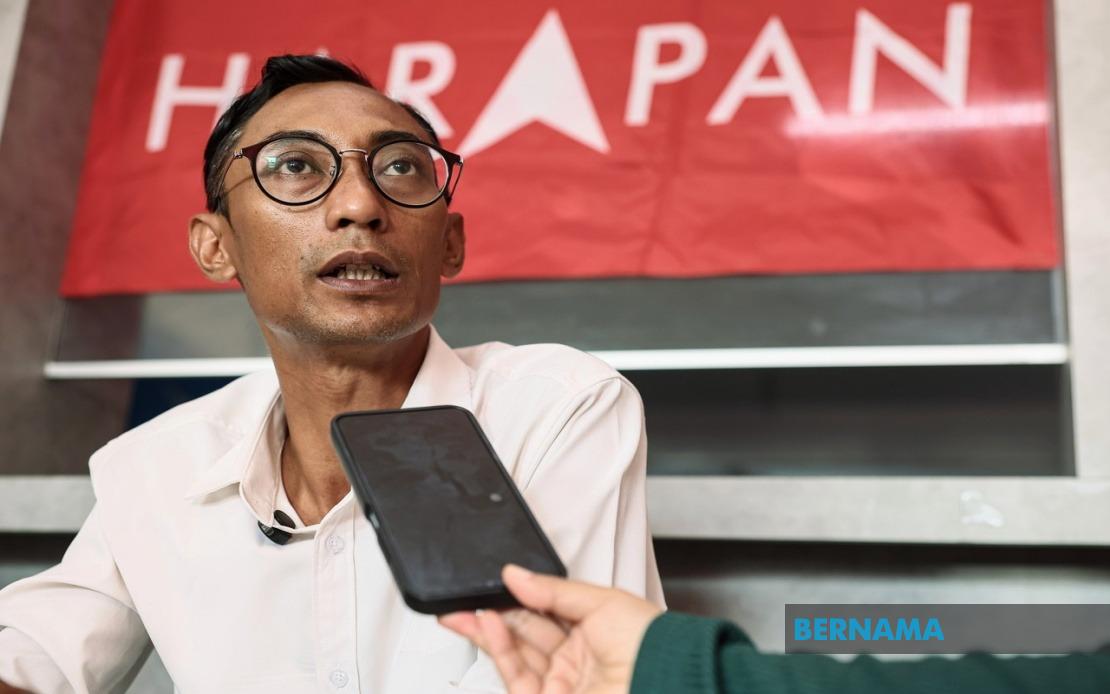
The Endau state seat contest in Johor's forthcoming election has become a vehicle for Pakatan Harapan's Saiful Nizam Samat to advance a distinctive political message: that the community's concerns will gain greater traction in Putrajaya under his representation. Launching his campaign under the banner 'Suara Endau ke Putrajaya' (Endau's Voice to Putrajaya), Saiful Nizam has framed his candidacy around enhanced federal-state coordination rather than the more conventional territorial appeals of competing politicians. This positioning reflects a strategic calculation that Endau voters prioritise practical outcomes over party loyalty or incumbent advantage.
The candidate's rationale for rejecting safer seats like Iskandar Puteri or Kota Iskandar reveals a deliberate choice to compete in a tougher battleground. By contending that alignment between local and federal government streamlines development planning, Saiful Nizam is essentially arguing that a PH representative in a PH-held Putrajaya administration creates efficiency gains. For a constituency like Endau, where infrastructure projects and service delivery coordination across multiple government levels are routine friction points, this messaging carries practical weight. The argument acknowledges a real governance challenge—that misaligned political control between state and federal tiers can create bureaucratic delays—while positioning his election as a solution.
Early response to the campaign has reportedly been positive across demographic groups, suggesting the message resonates beyond typical party supporters. A multi-channel approach combining traditional canvassing with social media outreach has amplified reach throughout the constituency. The inclusion of a specifically commissioned campaign theme song, crafted to appeal particularly to younger voters through catchy, lighthearted lyrics, demonstrates awareness of how political messaging must adapt across age cohorts. This blend of old and new campaign tactics reflects the political ground reality in Malaysian elections, where door-to-door engagement remains influential even as digital platforms become essential for reaching dispersed populations.
The constituency presents Saiful Nizam with a formidable incumbent in Alwiyah Talib of Barisan Nasional, who has held the seat for two terms and carries the advantage of established local networks and delivery record. However, the race has fragmented into a four-way contest with Perikatan Nasional's Hasnul Hakimi Hussien and Parti Orang Asli Malaysia's Jati Awang also competing. This split opposition potentially benefits whichever candidate can consolidate votes most effectively, and Saiful Nizam's strategy appears focused on converting undecided voters and attracting diaspora support from those working in Singapore, the Klang Valley, and other regions. His explicit call for out-of-state voters to return for polling day reflects recognition that Endau, like many Malaysian constituencies with significant labour migration, can see participation patterns swing on turnout among these dispersed populations.
Orang Asli settlements represent a particular focus area for Saiful Nizam's campaign visits, indicating acknowledgment of this demographic's specific concerns and voting power within the constituency. Indigenous communities in Endau have historically experienced under-investment and limited service provision, making them potentially responsive to candidates emphasising improved coordination and accountability. The allocation of campaign resources toward these areas suggests PH's assessment that cultivation of this vote segment is both strategically important and currently competitive, particularly given ASLI's presence in the race.
The timing of Saiful Nizam's campaign push, with polling day scheduled for Saturday, July 11, creates pressure to maximise impact across remaining days. Early voting on July 7 adds another variable, as voters unable to return on the main polling day will cast ballots sooner. His campaign's intensity reflects the competitive nature of the seat and the possibility that thin margins could determine the outcome. The state election itself represents a significant political moment for Johor, traditionally a BN stronghold, and outcomes in marginal seats like Endau will shape narrative interpretations of the broader result.
From a regional perspective, the Johor election carries implications for how Pakatan Harapan performs in Malaysia's traditionally conservative east-coast and southern states. Success in constituencies like Endau would demonstrate PH's capacity to make meaningful inroads beyond urban and peninsula-west strongholds. Conversely, losses here would suggest the coalition faces persistent challenges in rural and semi-rural constituencies where incumbent advantage and community familiarity with existing representatives remain powerful factors. The 'Endau's Voice to Putrajaya' framing is essentially an argument that political change can deliver practical governance improvements, a message that must overcome the natural conservative bias in electoral behaviour where voters assess whether change warrants the risk of losing an established representative.
Saiful Nizam's emphasis on realistic commitments to voters, rather than spectacular promises, suggests a campaign strategy predicated on credibility and incremental delivery rather than transformative pledges. This approach acknowledges voter sophistication and cynicism about unfulfilled campaign promises, instead positioning his candidacy as offering professional, competent representation focused on bread-and-butter issues. Whether this proves sufficient against an entrenched incumbent with two terms of record will likely depend on whether recent economic pressures, service gaps, or other local grievances have shifted the baseline electoral calculation in the constituency.

