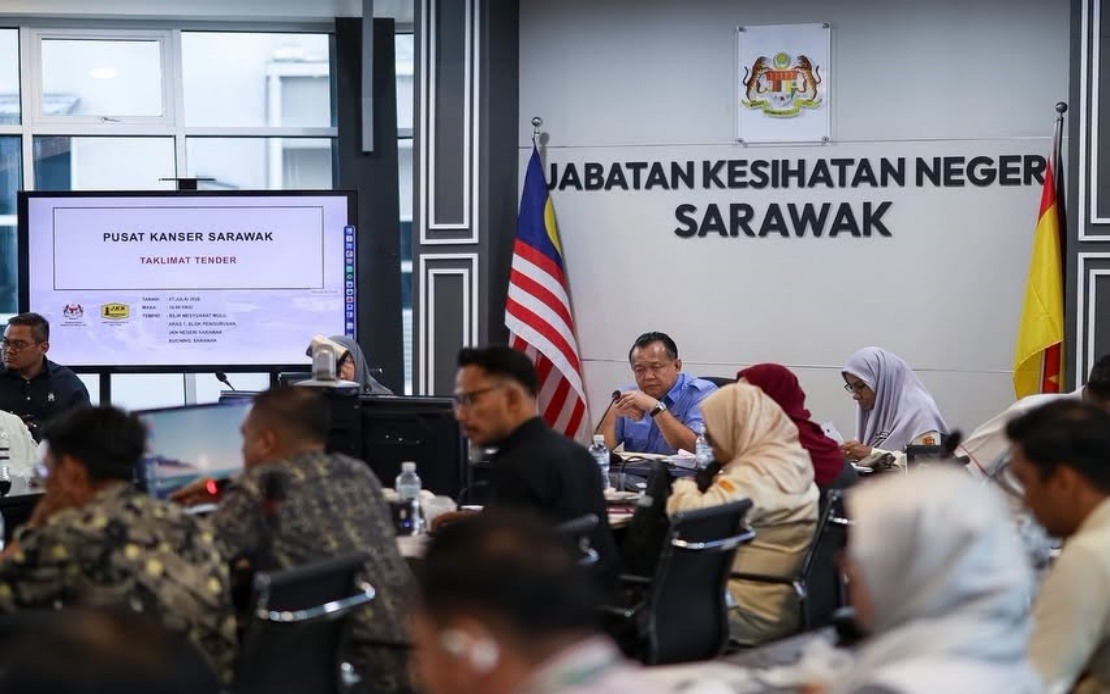
Construction of the Sarawak Cancer Centre in Kota Samarahan is set to commence in January 2027, once the tender process concludes and the successful contractor receives the Letter of Acceptance, according to Works Minister Datuk Seri Alexander Nanta Linggi. The announcement marks a significant milestone in the Sarawak government's healthcare infrastructure expansion, addressing the growing need for specialized oncology services in the state and contributing to Malaysia's broader efforts to strengthen regional medical facilities.
The project has progressed to the design-and-build tender stage, with 10 pre-qualified contractors now in the proposal development phase. Each bidder has received comprehensive briefings outlining the project requirements and specifications. The procurement process allows contractors approximately three months to develop and submit their detailed proposals, with the evaluation phase expected to conclude by late 2026. This timeline should permit the issuance of the Letter of Acceptance in early January 2027, enabling the design and construction phase to begin immediately.
Once awarded, the successful contractor will have 60 months—or five years—to complete both the design and construction phases, demonstrating the substantial scale and complexity of the facility. Following practical completion, a two-year Defects Liability Period will follow, ensuring quality standards are maintained and any construction defects are remedied. This extended timeline reflects best practices in healthcare infrastructure development, where meticulous execution and rigorous quality assurance are essential for patient safety and operational effectiveness.
The cancer centre's architectural and functional design must adhere to stringent requirements established by Malaysia's Health Ministry while embracing contemporary healthcare delivery concepts. This dual mandate ensures the facility meets national regulatory standards while providing a modern patient experience. The integration of current medical technologies and evidence-based facility design will position the centre as a leading oncology hub not only for Sarawak but potentially for the broader Southeast Asian region.
Situated on a 10.9-hectare parcel adjacent to the Sarawak Heart Centre in Kota Samarahan, the facility will accommodate 310 beds and deliver comprehensive services spanning both outpatient consultations and inpatient treatment. This co-location with the heart centre creates synergies in operational efficiency and infrastructure sharing while establishing an integrated cardiovascular and oncology care ecosystem. The strategic placement in Kota Samarahan, approximately 30 kilometres from central Kuching, balances accessibility with land availability and development considerations.
The total project expenditure is anticipated to surpass RM1 billion, reflecting the complexity and sophistication required in modern cancer treatment infrastructure. The Sarawak government has allocated RM1 billion for the initiative, with provisions for reimbursement through an agreed financing mechanism. This financial commitment underscores the state's determination to elevate healthcare provision and demonstrates the priority placed on non-communicable disease management, particularly cancer, which ranks among the leading health challenges in Malaysia and Southeast Asia.
The establishment of this specialized facility addresses a critical healthcare gap in Sarawak. Currently, residents requiring advanced cancer treatment often travel to Kuala Lumpur or abroad, incurring substantial costs and logistical burdens. The cancer centre will provide local access to sophisticated diagnostic and therapeutic capabilities, reducing treatment delays and improving patient outcomes. For families, the availability of local care reduces financial strain associated with medical tourism and enables better support systems during protracted treatment courses.
From a regional perspective, the Sarawak Cancer Centre positions East Malaysia as a healthcare destination within Southeast Asia. As neighbouring countries including Indonesia, the Philippines, and Thailand increasingly develop medical tourism sectors, Sarawak's investment in oncology excellence creates competitive advantages and attracts medical professionals seeking sophisticated practice environments. The facility will likely generate employment opportunities for specialists, nurses, technicians, and allied health professionals, supporting economic development alongside health improvements.
The project also reflects evolving government priorities in healthcare infrastructure development. Rather than concentrating specialized facilities in peninsular Malaysia, the intentional development of world-class medical centres in Sarawak promotes equitable healthcare access across the federation. This decentralization strategy aligns with national healthcare transformation initiatives and recognizes the unique demographic and geographic challenges of East Malaysia.
The 60-month construction timeline allows for thorough project execution without compromising quality or safety standards. Healthcare facilities demand exacting specifications for clinical operations, infection control, radiation safety, and emergency preparedness. The extended timeframe accommodates the complexity of systems integration—from oncology treatment units and imaging departments to laboratories, pharmaceutical services, and supportive care facilities. Contractors bidding for such projects must demonstrate proven experience in healthcare infrastructure delivery and understanding of medical facility operations.
Stakeholder engagement has been embedded in the procurement process through mandatory contractor briefings, ensuring all bidders comprehend project scope and expectations before committing resources. This transparency reduces post-award disputes and establishes common understanding of technical requirements, quality benchmarks, and operational integration with existing Sarawak health facilities. The rigorous pre-qualification phase, which screened 10 contractors from a larger initial pool, ensures only capable and financially stable entities participate in the tender.
Beyond immediate infrastructure benefits, the cancer centre will drive innovation in healthcare delivery within Sarawak. The modern facility design will enable implementation of advanced treatment modalities, multidisciplinary cancer management teams, and research initiatives. As Malaysia aims to strengthen its position in healthcare excellence and medical research, facilities such as this contribute to national scientific capabilities and create platforms for clinical advancement in oncology.
The project timeline presents opportunities for Malaysian construction companies and suppliers to participate in a major healthcare infrastructure contract. Local workforce development, skills transfer, and supply chain integration will generate broader economic benefits beyond the direct construction phase. As the facility becomes operational, permanent employment will extend to medical and administrative personnel, contributing to Sarawak's economic diversification away from traditional resource sectors.

