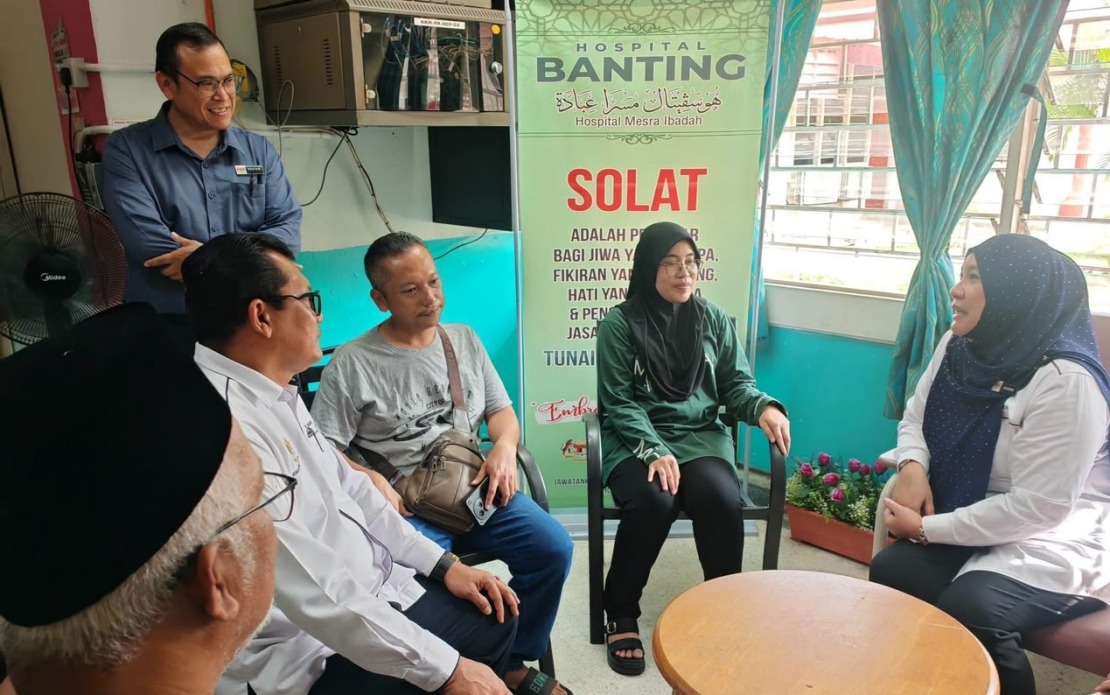
The director of the Selangor State Education Department, Wan Nor Ashikin Abu Kassim, led a compassionate outreach to Banting Hospital on July 7 to meet with a female secondary school student who fell victim to a violent stabbing attack at her school in Kuala Langat. The visit underscored the department's commitment to standing alongside affected families during this traumatic incident, with the director personally ensuring that both the student and her parents received expressions of official support and encouragement as she navigates her recovery journey.
According to accounts from the girl's father, the 15-year-old victim endured a harrowing assault that left her with devastating injuries. She sustained a penetrating wound to her lung alongside 16 separate stab wounds across her body, injuries that speak to the severity of the attack and the immediate medical intervention required to preserve her life. The fact that she is now receiving hospital treatment represents a critical step toward physical healing, though the psychological and emotional toll of such violence on a teenager cannot be understated.
The Selangor JPN announced its support for the student through a public Facebook post, signalling to the broader community that education authorities are actively engaged in the aftermath of school violence. The department pledged its ongoing cooperation with the student's family, the medical team at Banting Hospital, and all relevant law enforcement and government agencies involved in both the investigation and the victim's care. This multifaceted approach reflects the complexity of responding to serious crimes committed within educational institutions, requiring coordination across health, education, and security sectors.
The department's message to the public expressed hope for the student's complete recovery while acknowledging the family's ordeal, stating: "May the student make a full recovery and may all matters be eased for them." Such messaging serves not merely as platitude but as official recognition of the gravity of school violence and the institution's responsibility to support victims and their families beyond the immediate crisis.
On the investigation front, authorities have made significant progress in apprehending a suspect believed responsible for the stabbing. Police detained the individual in the days immediately following the incident, and by July 7, the suspect had been formally remanded in custody for a four-day period. This legal remand allows investigators time to gather evidence, conduct interviews, and build their case while the suspect remains in police detention rather than released on bail.
The incident itself raises urgent questions about school safety in Malaysia and the circumstances that permitted such violence to occur within a secondary school environment. While initial details about the motivations behind the attack or the relationship between the victim and suspect remain unclear from official statements, the fact that a Form Three student could be stabbed 16 times during what should be a secure institutional setting has prompted reflection on security protocols in Malaysian schools.
The broader educational community in Selangor is likely watching developments closely, as school safety concerns resonate with parents, administrators, and policymakers throughout the state. Secondary schools across the nation have grappled in recent years with incidents of student violence, from fights between rival groups to isolated attacks by individuals experiencing mental health crises or social disturbance. Each incident prompts discussions about whether schools require enhanced security measures, mental health support infrastructure, or improved crisis response training for staff.
For the victim's family, the path forward involves both medical recovery and navigating the criminal justice system. With the suspect remanded, the police investigation will proceed toward building a case that may eventually reach the courts. The family will need to access victim support services, work with prosecutors, and manage the emotional aftermath of having a teenage daughter subjected to such violence. The JPN's involvement signals that education authorities recognise their role extends beyond the classroom to encompassing holistic support for students and families affected by trauma.
The incident also highlights the vulnerability of adolescents within institutional settings and raises questions about whether schools have adequate training and resources to prevent and respond to violent incidents. Staff training on recognising warning signs, de-escalation techniques, and emergency protocols becomes increasingly important in light of such incidents. Moreover, the availability of mental health counselling services for both the victim and potentially other students who witnessed the attack will be crucial to the school community's healing process.
As the investigation continues and the suspect remains in custody, the focus now turns toward the victim's medical recovery and the broader implications for school safety across Selangor and Malaysia. The government's visible response through the education director's hospital visit sends a message that serious crimes against students will be met with institutional attention and support, yet it also underscores the sobering reality that Malaysian schools are not immune to violence and that preventive measures, security awareness, and trauma support systems remain areas requiring sustained attention and investment.

