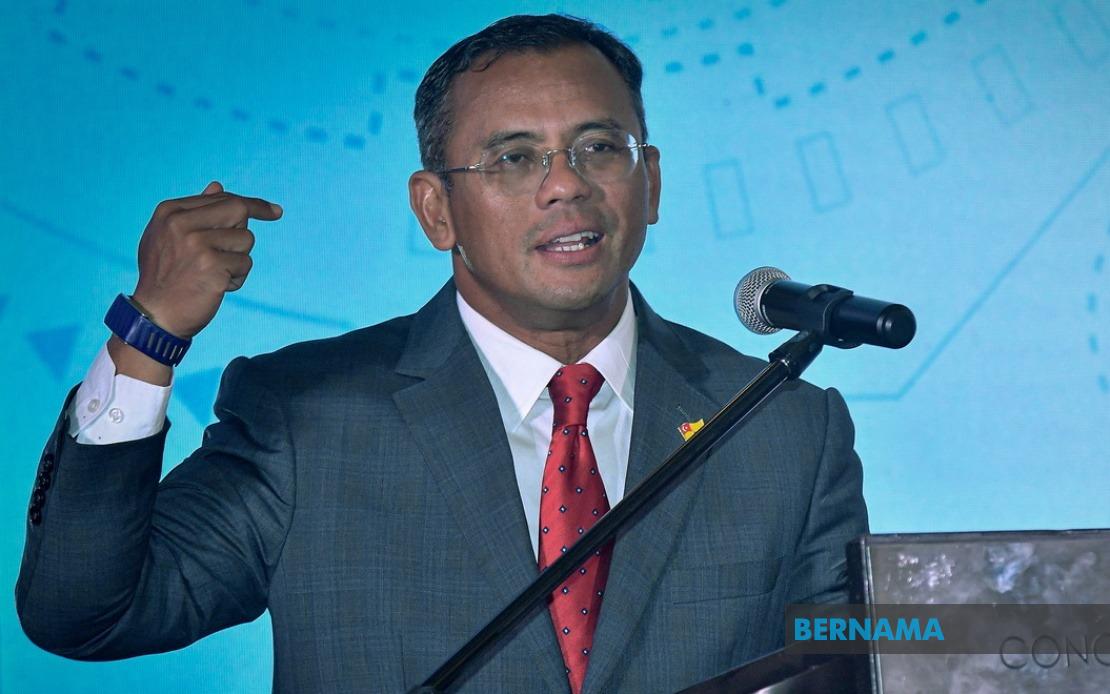
Selangor's approach to managing its growing population of Myanmar refugees and stateless individuals hinges on a preliminary step that remains outside the state's direct control: federal registration through the Refugee Registration Document scheme. Menteri Besar Datuk Seri Amirudin Shari outlined this dependency during remarks in Shah Alam on August 17, signalling that the state government cannot proceed with substantive policy measures until the Home Ministry completes its registration duties and the groundwork is properly documented.
The state administration is currently mobilising its district-level machinery to assemble comprehensive information on these communities. The District Security Committees have been tasked with gathering data that will eventually flow to the federal authorities. Hulu Langat has already completed this compilation, while other districts are expected to finish before the consolidated submission reaches the Home Minister's office. This bottom-up data collection reflects the reality that accurate enumeration of an often-mobile and vulnerable population demands localised coordination and trust-building with community representatives.
This cautious sequencing illustrates the constitutional division of powers between federal and state governments in Malaysia. Immigration registration, citizenship determination, and refugee status fall squarely within federal jurisdiction, leaving Selangor in a supporting role despite hosting a substantial portion of the country's displaced Myanmar population. The state's position is that it cannot legitimately issue business licences, work permits, or residence authorisations to unregistered individuals—a constraint that has practical implications for how thousands of people currently survive economically within its borders.
The issue of unregistered Myanmar nationals conducting commercial activities in Selangor presents a governance paradox. These individuals operate in a grey zone where the state acknowledges their presence and humanitarian needs yet lacks the legal instruments to formalise or regulate their participation in the economy. Amirudin indicated that addressing this dimension will also follow completion of the federal registration process, suggesting that once individuals are documented at the national level, conversations with business regulators and revenue authorities can commence.
Humanitarian considerations weigh heavily on the state leadership's thinking, creating tension between enforcement and compassion. Amirudin explicitly recognised that mass deportation without consent from Myanmar's government creates downstream social risks—unhoused populations, informal settlements, and elevated street-level criminality. This acknowledgement reflects lessons from refugee management in neighbouring countries and the understanding that sudden removal can destabilise urban communities. The repatriation issue itself requires diplomatic negotiation with Myanmar authorities, a process that may prove protracted or fruitless given the country's political instability and the reluctance of some military-aligned officials to reabsorb displaced citizens.
For Selangor, a state that hosts Malaysia's second-largest urban agglomeration and serves as an economic engine for the wider Klang Valley region, the refugee question intersects with planning, labour policy, and social cohesion. The presence of tens of thousands of undocumented or partially documented individuals affects informal housing markets, influences wage patterns in certain sectors, and creates demands on public health and education services. Waiting for federal registration to complete means the state operates reactively rather than proactively, a position that may frustrate officials seeking to establish order and predictability.
The United Nations High Commissioner for Refugees features as a partner in this framework, indicating that Selangor and the Home Ministry intend to align their approach with international refugee protection standards. UNHCR's involvement provides both legitimacy and technical guidance, though the organization's influence on Malaysian policy remains circumscribed by national sovereignty and the government's broader immigration stance. The partnership suggests recognition that ad-hoc management serves neither refugees nor host communities effectively.
Meanwhile, Amirudin also touched on an unrelated matter that underscores the complexity of state-federal relations: the gas pipeline fire that occurred in Putra Heights in April 2025. The state has prepared a report but awaits federal approval before releasing it publicly, a delay that highlights how multiple government agencies and government-linked companies have stakes in incident narratives. The Menteri Besar indicated willingness to publish by year's end if authorisation does not materialise, a position that balances transparency against the political sensitivities surrounding infrastructure accidents and corporate accountability.
The Myanmar refugee registration initiative ultimately reflects Malaysia's broader struggle to reconcile humanitarian obligations with sovereignty concerns and administrative capacity. Selangor's willingness to compile data and coordinate at the state level suggests a recognition that the problem cannot be wished away, yet the actual authority to act resides in Putrajaya. This structural arrangement risks creating delays that leave vulnerable populations in prolonged uncertainty while also potentially creating opportunities for informal arrangements that undermine both rule of law and refugee protection standards.
For Malaysian readers and policymakers, the situation illustrates how deeply interconnected regional displacement is with national governance. Myanmar's internal conflicts continue to generate outflows that Malaysia, as a developed neighbour with economic attraction and geographic proximity, inevitably receives. How Selangor and the federal government navigate registration, regularisation, and long-term integration will set precedents for managing future waves of displacement from Myanmar or other troubled neighbours, making this not merely a state administrative matter but a question central to Malaysia's regional standing and social stability.

