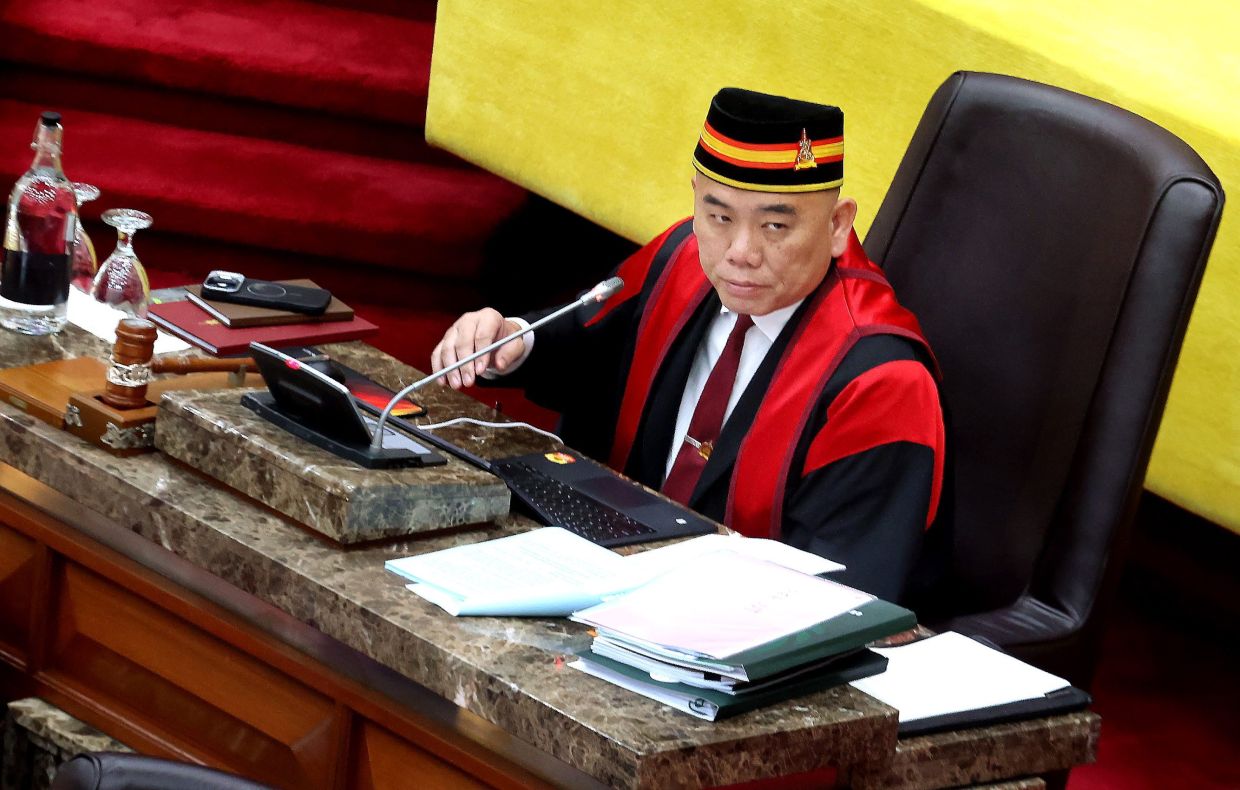
The Selangor state government has initiated a formal investigation into allegations that one of its legislative representatives has been declared bankrupt, Speaker Lau Weng San announced during Monday's assembly sitting at Bangunan Dewan Negeri Selangor. The investigation remains ongoing, and Lau has declined to confirm which assemblyman is the subject of the probe or provide a timeline for when findings will be made public.
Lau's measured approach reflects the sensitivity of the matter and the procedural complexities involved. In a statement to reporters, he emphasized that the investigation will be comprehensive, spanning all affected constituencies, all relevant stakeholders, and any other pertinent considerations. This broad scope suggests the authorities are taking the allegations seriously and are determined to establish a complete factual record before drawing any conclusions.
The investigation has significant constitutional implications for Selangor's legislative assembly. Under the Selangor State Constitution, bankruptcies can trigger automatic consequences for lawmakers. Should the allegations prove accurate, the matter would escalate beyond the state assembly and land squarely with the Election Commission, which holds authority over whether a by-election becomes necessary to fill any vacant seat.
Lau sidestepped questions about the timing of the investigation's conclusion, cautioning against premature judgements. "We have to be sure of everything first. We cannot make any assumptions," he told assembled reporters, underscoring the administration's commitment to a rigorous, fact-based process rather than speculation or hearsay. This stance may frustrate observers eager for clarity, but it aligns with administrative best practices designed to protect the integrity of the investigative process.
The question of whether the alleged bankrupt assemblyman might have been noticeably absent from Monday's proceedings prompted Lau to clarify that lawmaker absences carry multiple legitimate explanations, ranging from scheduled medical treatment to other pressing personal commitments. This distinction is important because it prevents speculation from conflating unexplained absences with evidence of financial distress or other misconduct.
The Selangor State Constitution contains explicit provisions governing when an assembly seat may be declared vacant by the Speaker. A representative's position becomes vacant only if they fail to attend assembly proceedings for six consecutive months without submitting formal notice justifying their absence. This high threshold was established to prevent frivolous seat vacancies while protecting the democratic representation of constituents.
Lau cited recent precedent to illustrate how these constitutional provisions function in practice. Former Batang Kali assemblyman Harumaini Omar's seat was formally declared vacant on February 16, 2023, after he accumulated an unexcused absence exceeding six months from assembly sessions. This case demonstrates that the state government does invoke the constitutional mechanism when circumstances warrant, though such actions remain rare and require documentary evidence of sustained non-attendance.
The bankruptcy allegation raises broader questions about financial accountability among elected representatives. Selangor, as Malaysia's most economically developed state and home to the federal capital region, faces particular scrutiny regarding the conduct of its lawmakers. Any breach of financial responsibility by a state assemblyman could undermine public confidence in the institution's credibility and effectiveness.
For Malaysian readers, this investigation underscores the intersection of electoral law, constitutional governance, and individual financial accountability. While the specific identity of the assemblyman remains undisclosed pending investigation completion, the matter touches on fundamental principles of parliamentary conduct that resonate across all Malaysian legislatures—from Parliament itself to state assemblies and local councils.
The role of the Election Commission in potential follow-up actions cannot be understated. Should investigators confirm the bankruptcy allegations, the commission would face the technical question of whether such financial status automatically disqualifies a sitting legislator or whether a by-election represents the appropriate mechanism for addressing the vacancy. These decisions carry implications extending beyond a single seat and could influence how other states manage comparable situations.
For Selangor constituents represented by legislators in the assembly, this investigation serves as a reminder that parliamentary accountability mechanisms do exist, even if they operate slowly and deliberately. Transparency regarding the investigation's eventual findings will be crucial for maintaining public trust in the legislative process and demonstrating that state institutions take financial integrity seriously.
The coming weeks will likely bring developments as the investigation progresses. Observers of Selangor politics—including rival political parties, civil society organizations, and concerned constituents—will be watching closely for signs of the probe's direction and eventual conclusions.

