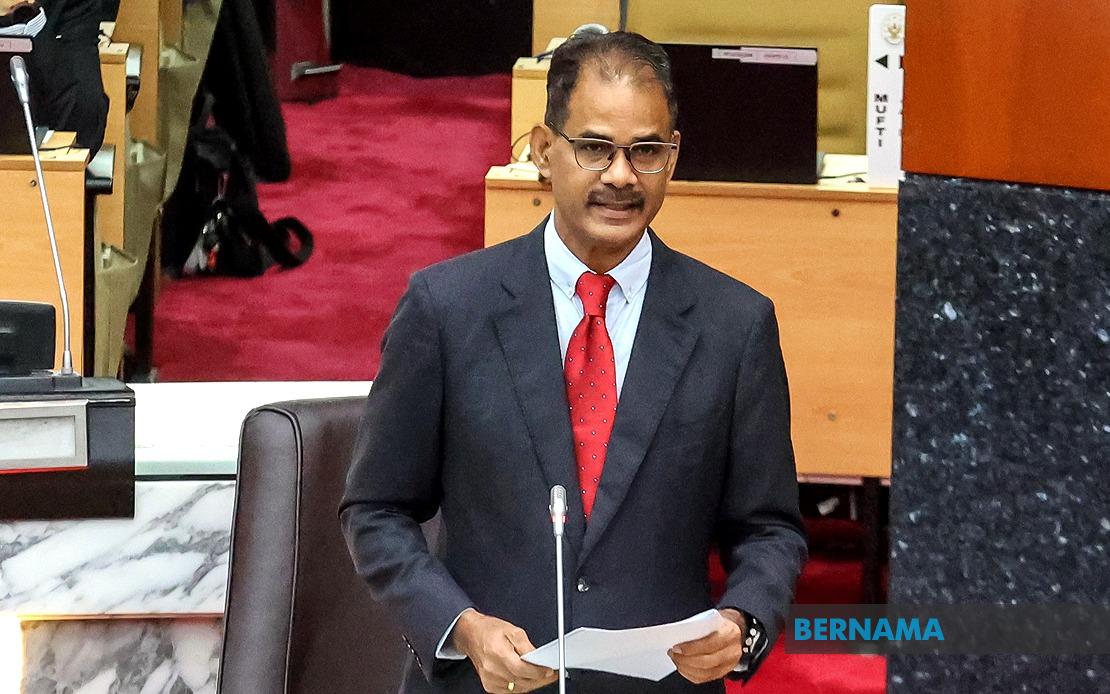
Selangor's government has committed RM1.5 million towards launching a dedicated career programme aimed at expediting the reemployment process for workers affected by job losses and helping them transition smoothly into new roles. The initiative forms part of broader economic support measures being rolled out by the state administration to cushion residents against economic headwinds.
According to V. Papparaidu, chairman of the Selangor Human Resources and Poverty Eradication Committee, recent employment data paints a nuanced picture of the state's labour market challenges. Between January and mid-June this year, records from the Social Security Organisation (Perkeso) documented 12,355 instances of employment termination across Selangor. However, the situation has shown signs of recovery, with 11,347 of those displaced workers having already secured new positions, indicating a reemployment rate exceeding 91 percent.
While the high proportion of workers finding new jobs within months of displacement appears encouraging, Papparaidu highlighted that the underlying problem extends beyond simple job scarcity. The core issue revolves around efficiency in connecting jobless individuals with suitable vacancies and reducing the downtime between job loss and reemployment. Many workers currently experience extended periods of unemployment not because positions do not exist, but because matching mechanisms remain inefficient or time-consuming.
The Selangor Career Programme represents an attempt to address this structural inefficiency through improved job-matching infrastructure and services. By centralising and streamlining the process of connecting jobseekers with employers, the initiative aims to compress the interval between displacement and reemployment, thereby minimising income disruption for affected households and reducing the financial strain on individuals and families during transitions.
Beyond merely facilitating job placement, the programme incorporates skills development as a cornerstone component. Recognising that simply returning workers to their previous job categories may not always yield better outcomes, the state intends to invest in upskilling initiatives that enable displaced workers to access higher-quality employment prospects and command better remuneration. This approach acknowledges that some job losses may stem from sectoral shifts or technological disruption, necessitating workforce adaptation rather than simple reinstatement.
The career programme sits within a larger economic support framework. The Selangor government simultaneously unveiled the Selangor Resilience Strengthening Package Phase 2, a comprehensive initiative comprising 15 separate programmes and allocated RM209.26 million in total state resources. This package was framed as a strategic response to economic pressures arising from global energy market volatility and geopolitical developments in West Asia, challenges that have reverberated through regional supply chains and consumer spending patterns.
Menteri Besar Datuk Seri Amiruin Shari emphasised that the state's approach transcends simple cash transfers or temporary relief measures. Instead, the broader resilience package incorporates structured economic empowerment initiatives designed to generate sustainable income streams for beneficiaries. This philosophy recognises that while immediate financial assistance provides crucial short-term relief, longer-term economic stability requires enabling residents to develop income-generating capacity and participate productively in labour markets.
For Malaysian workers and job-seekers, particularly in Selangor, the implications are multifaceted. The initiative signals state-level recognition that employment transitions require deliberate policy intervention and resource allocation. The focus on skills upgrading rather than passive job-matching suggests an understanding that future employment prospects may differ significantly from previous work histories, reflecting broader economic transformation across the region. For younger workers or those in declining sectors, the programme potentially offers pathways to career pivoting with structured support.
Regionally, Selangor's approach offers insights into how sub-national governments across Southeast Asia might address employment disruption. As the most developed state within Malaysia's wealthiest economic cluster, Selangor's labour market experiences comparative advantages but also heightened competition and skill requirements. The state's investment in bridging mechanisms between jobseekers and opportunities, combined with upskilling components, reflects recognition that labour market friction imposes real economic costs on both individuals and the broader economy.
The timing of this initiative reflects broader economic anxieties within Malaysia's middle-income trajectory. External shocks—whether geopolitical tensions, energy price volatility, or supply chain disruptions—periodically trigger employment reductions across traded sectors and manufacturing-heavy regions. Building institutional capacity to absorb and retrain displaced workers becomes increasingly critical as the economy navigates successive disruption cycles. The Selangor government's willingness to dedicate resources specifically to employment transition services, rather than defaulting to conventional unemployment assistance, suggests evolving policy thinking around labour market management.
The programme's success will ultimately hinge on execution quality and the responsiveness of both job-matching infrastructure and skills-training components to genuine labour market demands. High reemployment rates alone mask variations in job quality, wage trajectory, and whether transitions represent genuine career advancement or merely restocking workers into lower-quality positions. Policymakers and analysts will need to monitor not just placement numbers but also salary progression, job durability, and worker satisfaction metrics to assess whether the investment genuinely enhances economic resilience or merely masks underlying labour market dysfunction.

