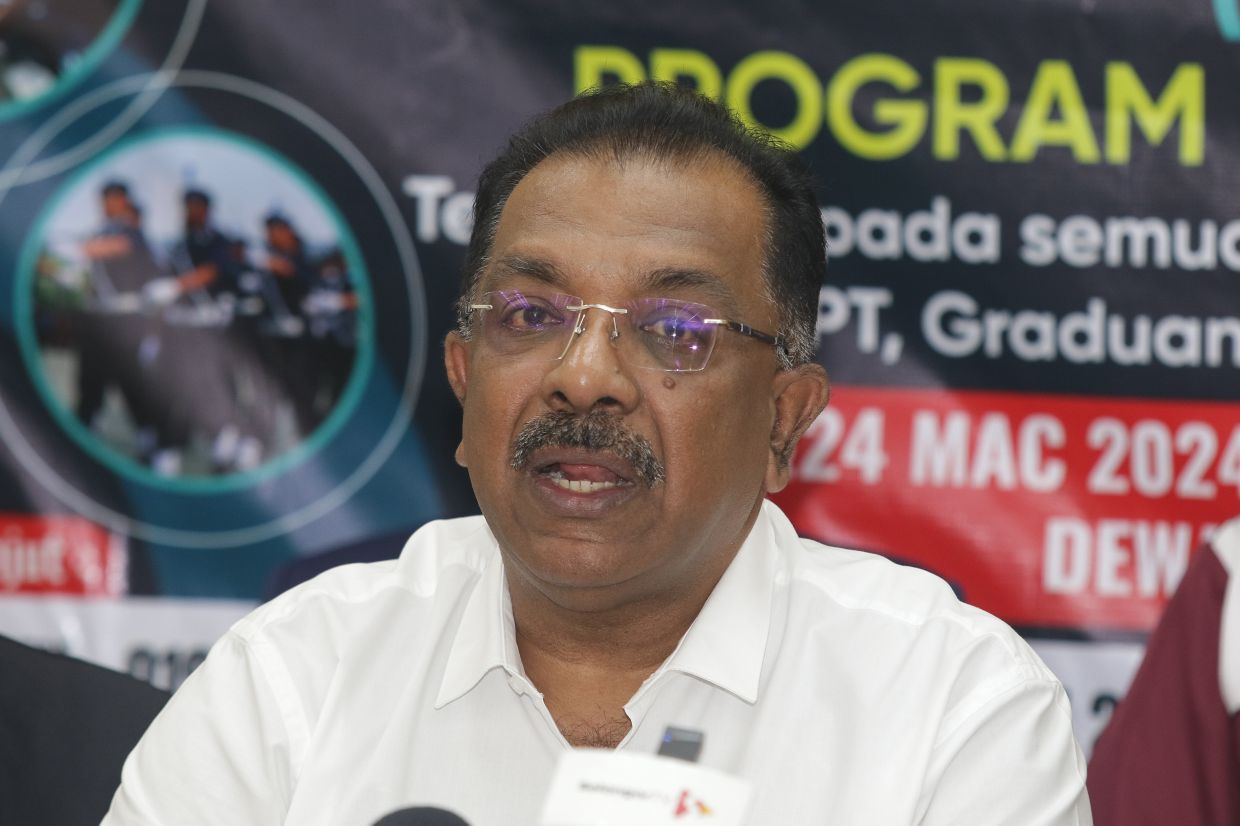
Selangor's rapid urban expansion is creating friction between modernisation and religious preservation, prompting calls for a more coordinated approach to managing disputes over non-Muslim places of worship. During a debate at the Selangor state assembly in Shah Alam on Wednesday, Sentosa assemblyman Gunaraj George highlighted the need for a structured mechanism that brings together stakeholders to resolve contentious land and structural issues affecting temples and other religious sites across the state.
The challenge facing Selangor reflects a broader tension in Southeast Asian urbanisation, where older religious institutions often find themselves caught between respect for historical continuity and the demands of modern commercial and residential development. Many temples, prayer halls, and other places of worship in the state were established decades ago with the explicit consent of original landowners, serving as spiritual anchors for their surrounding communities. However, as previously rural or semi-developed areas transform into townships and commercial hubs, these same religious structures suddenly become legally problematic, frequently branded as "illegal" despite their long historical presence and community legitimacy.
Gunaraj's intervention underscores a critical gap in how authorities currently handle such sensitive matters. Rather than adopting rigid enforcement approaches, he advocated for case-by-case evaluation that considers the historical context, community needs, and actual circumstances before authorities contemplate relocation or demolition. This approach reflects growing recognition among lawmakers that a purely legalistic stance risks alienating minority communities and overlooking the genuine social functions these institutions serve.
The assemblyman pointed out that many communities established their places of worship not through illicit means but through legitimate arrangements with landowners of that era. These religious sites became integral to daily life for residents and workers in their respective areas, providing essential spiritual, social, and cultural functions. The subsequent transformation of surrounding areas through development has essentially retroactively criminalised institutions that operated transparently within the legal framework of their time, creating a fundamental mismatch between historical legitimacy and current regulatory status.
Gunaraj's call for a multi-stakeholder approach reflects practical wisdom about conflict resolution in diverse societies. By proposing dialogue involving the state government, local authorities, landowners, developers, and management committees, he advocated for moving beyond confrontational enforcement toward collaborative problem-solving. This framework acknowledges that most disputes involve legitimate competing interests rather than simple right-versus-wrong scenarios, and therefore require sophisticated negotiation rather than unilateral decisions.
The proposal also demonstrates sensitivity to different categories of issues that may require distinct solutions. Land disputes require careful negotiation and potentially creative legal arrangements. Planning complications may yield to regulatory flexibility or variance procedures. Safety and structural concerns call for technical intervention from qualified agencies rather than blanket demolition orders. By disaggregating problems, stakeholders can address each category through appropriate channels rather than conflating them into an intractable binary choice between preservation and removal.
For Malaysia's broader religious and social harmony narrative, Selangor's approach carries significant implications. The state, as the nation's most economically developed and ethnically diverse region outside the federal territories, frequently sets precedents that other states and local authorities observe. Successfully balancing development with religious heritage protection in Selangor could establish a model demonstrating that plural societies need not sacrifice either prosperity or spiritual space to achieve both simultaneously.
Gunaraj explicitly framed the issue as one of maturity and inclusiveness rather than competing absolutes. His assertion that "we do not have to choose between development and harmony" challenges a false dichotomy that sometimes dominates discussions of urbanisation in Malaysia. This perspective recognises that well-planned urban expansion can accommodate religious and cultural preservation, and that doing so actually strengthens rather than weakens community cohesion during periods of rapid change.
The practical urgency of establishing such a mechanism has grown as Selangor's development accelerates. Without clear guidelines and collaborative procedures, individual disputes risk becoming flashpoints for wider communal tensions, each resolution setting precedents that either encourage or discourage future accommodation of minority concerns. A transparent, structured process would provide predictability for developers, security for religious communities, and legitimacy for authorities making difficult decisions about land use and heritage preservation.
For Malaysian policymakers observing these developments, the Selangor initiative offers a template for institutionalising religious accommodation within development frameworks. Rather than treating heritage protection and religious freedom as obstacles to overcome, this approach treats them as legitimate planning factors deserving systematic consideration from the outset of development projects. Early engagement with affected communities and religious authorities, informed historical assessment, and collaborative problem-solving can prevent disputes from hardening into zero-sum confrontations.
The call for structured dialogue also implicitly acknowledges that informal, ad-hoc approaches to these disputes have proven insufficient. Previous cases involving temples and other religious sites suggest that without clear procedures and accountability mechanisms, negotiations often prove opaque, outcomes inconsistent, and affected communities feel inadequately heard. Formalising the process through state-level protocols would bring transparency, consistency, and documented rationale to decisions that profoundly affect communities' religious practice.
Gunaraj's proposal thus represents more than a plea for case-by-case flexibility. It advocates institutional reform that embeds religious heritage and community interests into the standard machinery of urban governance. By positioning such considerations as routine planning matters requiring specialist attention rather than as exceptions granted at administrative discretion, Selangor could demonstrate how rapid economic growth need not come at the expense of religious and cultural continuity for minority communities.

