Selangor's critical flood management infrastructure is facing an escalating crisis as organised vandalism and theft at pump houses drain state resources and compromise public safety. The cumulative damage has reached RM400,000, forcing government agencies to reassess their approach to protecting these essential facilities. The problem extends beyond mere property loss—disrupted pump house operations directly undermine the state's ability to manage water levels during monsoon seasons, potentially placing thousands of residents at heightened flood risk.
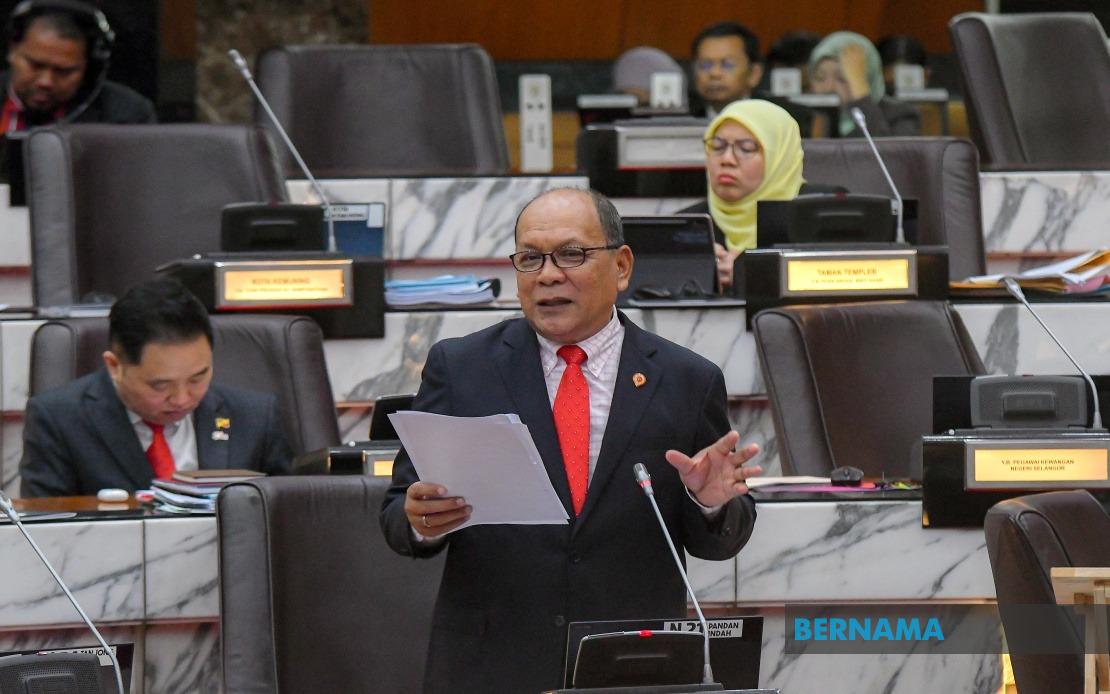
Datuk Izham Hashim, who chairs the Selangor Infrastructure and Agriculture Committee, disclosed the extent of the security challenge during a State Legislative Assembly sitting. His comments came in response to growing concerns raised by assemblymen about the vulnerability of pump stations scattered across Selangor's drainage and irrigation network. The deliberate targeting of pump equipment suggests coordinated criminal activity rather than isolated incidents, a distinction that carries significant implications for how authorities must respond.
The theft of pump components and mechanical systems represents a particularly troubling variant of infrastructure crime because perpetrators understand the operational value of what they are stealing. Black market sales of industrial pumps and spare parts provide criminals with immediate financial incentive, while the damage to flood management capacity carries consequences that ripple through entire communities. This asymmetry—modest criminal profit against massive public cost—has forced Selangor's government into an expensive defensive posture.
In response, Datuk Izham has mandated the Drainage and Irrigation Department and Public Works Department to implement comprehensive security upgrades across affected pump houses. The installation of closed-circuit television systems forms the cornerstone of this strategy, providing both deterrent effect and investigative capability. CCTV documentation can support police prosecution efforts while potentially discouraging repeat offenders who recognise the increased likelihood of identification and arrest. However, camera systems alone address only the detection phase of crime prevention; adequate staffing and rapid response protocols remain equally critical.
The state government has simultaneously engaged Selangor's police force to strengthen enforcement operations in areas where pump house crimes cluster. This inter-agency coordination acknowledges that infrastructure protection cannot rest solely with technical measures. Police patrols, intelligence gathering about suspected theft networks, and prosecution of arrested perpetrators create a multi-layered deterrent framework. Datuk Izham's emphasis on police partnership reflects recognition that sustainable security depends on criminal consequences, not merely physical barriers.
Selangor's situation mirrors challenges faced by water authorities across Southeast Asia, where aging infrastructure and inadequate funding create vulnerabilities that criminals exploit systematically. In countries experiencing rapid urbanisation, pump stations and drainage facilities often occupy remote or semi-rural locations where supervision becomes difficult and police response times extend significantly. The Malaysian state's decision to allocate resources toward CCTV networks and enhanced patrols suggests policymakers understand that prevention requires proportionate investment.
The financial burden extends beyond immediate repair costs. Each theft incident or vandalism event forces operational shutdowns that cascade through water management networks, potentially triggering or prolonging flooding in dependent areas. Residents and businesses suffer economic losses far exceeding the RM400,000 in direct infrastructure damage. This externality—where criminal activity generates costs absorbed primarily by vulnerable populations rather than criminals themselves—typically justifies government intervention even in austere budget environments.
The broader context involves Selangor's vulnerability to flooding during monsoon periods. The state encompasses coastal lowlands, river deltas, and urban areas where drainage systems operate at or near capacity during heavy rainfall. Compromised pump houses directly reduce the system's ability to discharge water and manage levels proactively. In 2021 and 2022, severe floods displaced thousands of residents and caused hundreds of millions in economic damage. Each pump house theft represents a incremental reduction in the state's flood defence capacity during these critical periods.
Datuk Izham's announcement reflects a shift toward systematic rather than reactive security management. Rather than investigating individual incidents after the fact, the proactive installation of surveillance and enforcement enhancement aims to prevent crimes before they occur. This preventive orientation aligns with contemporary infrastructure protection thinking, where early detection and rapid intervention prove substantially more cost-effective than repeated repairs and operational recovery.
The Selangor government's involvement of multiple agencies—police, drainage authorities, public works departments—indicates recognition that infrastructure crime requires coordinated responses transcending traditional departmental boundaries. Information sharing about theft patterns, coordinated patrols, and joint investigation protocols enhance effectiveness beyond what any single agency could achieve independently. For Malaysia and other Southeast Asian nations facing similar challenges, this multi-stakeholder approach offers a replicable model for addressing infrastructure vulnerability.
Longer-term solutions will likely require addressing root causes driving theft of pump equipment. Poverty, organised crime networks specialising in metal and industrial theft, and inadequate market regulation for second-hand equipment sales all contribute to the problem. While security measures address immediate symptoms, more comprehensive approaches involving economic development, crime prevention through environmental design, and supply chain transparency could reduce criminal incentives over time.

