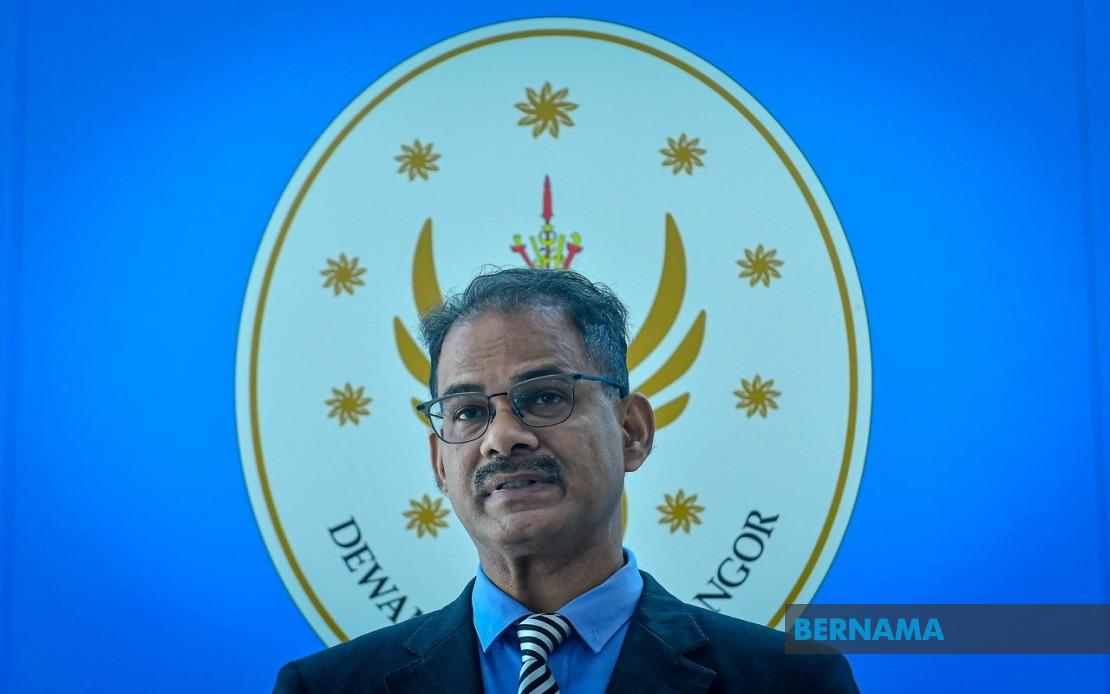
The Selangor government has launched a fresh appeal to non-pensioned veterans from the armed forces and police to secure their RM200 shopping vouchers under the 2026 Warriors' Day initiative, with the redemption window closing on August 31. The call comes as take-up remains surprisingly sluggish since the programme rolled out on July 29, with merely 500 claims submitted against a potential pool of 8,391 eligible individuals.
V. Papparaidu, chairman of the Human Resources and Poverty Eradication Committee, emphasised the need for accelerated action during an assembly briefing, noting that many veterans appear unaware of their entitlement or unable to be reached through existing contact details. The committee's analysis revealed widespread changes in telephone numbers and residential addresses among the target demographic, complicating outreach efforts and explaining the significant shortfall in applications to date.
In response to these practical barriers, Selangor has substantially eased claiming procedures. Rather than requiring applicants to present themselves in person, the government now permits family representatives or next-of-kin to collect vouchers on behalf of named beneficiaries. This modification recognises the mobility challenges faced by an ageing veteran population and removes a key obstacle to participation. No formal application process is necessary; beneficiary selection occurred automatically based on consolidated lists from the Department of Veterans Affairs and the Royal Malaysia Police, subsequently validated by state assembly service centres.
The shopping voucher initiative represents a RM1.7 million budgetary commitment designed to provide tangible relief for daily household expenses. Recipients can redeem their vouchers at collaborating supermarket chains across the state, though the programme explicitly excludes alcohol and tobacco products from approved purchases. This restriction aligns with broader government welfare objectives focused on essential living needs rather than discretionary consumption.
Papparaidu articulated the initiative's deeper significance, framing it as official recognition of sacrifices made by former service members. According to the committee chair, the vouchers constitute more than mere financial assistance; they symbolise the state government's enduring gratitude and reaffirmation of commitment to supporting those who dedicated portions of their lives to national defence and public order. This symbolic dimension carries particular weight in Malaysia's political culture, where honouring military and police contributions commands broad public support.
The eligibility criteria specifically target non-pensioned veterans, distinguishing them from retired personnel already receiving regular government stipends. This cohort often faces particular vulnerability, lacking the consistent monthly income available to pensioners and yet sometimes excluded from general poverty assistance programmes due to their historical status as contributors to national security. Selangor's targeted approach recognises this intermediate category's legitimate needs.
Geographic distribution through state assembly service centres places the vouchers within accessible reach of most residents across the state's 56 constituencies. Service centres, already equipped to handle constituent matters and welfare applications, serve as logical intermediaries for this distribution channel. By decentralising the claims process, Selangor reduces bureaucratic friction that might otherwise discourage uptake among less digitally engaged populations.
The August 31 expiration date creates urgency, though observers question whether the deadline allows sufficient time given current claim volumes. At the present pace, achieving even fifty percent uptake appears unlikely without substantially elevated promotional efforts. The state government's decision to publicise the low claims figure suggests an intent to generate momentum through transparency and gentle pressure as the deadline approaches.
For Malaysian veterans nationwide, Selangor's initiative offers a potential policy model. While other states have launched occasional veteran support programmes, few have combined direct financial assistance with the flexibility of relaxed claiming procedures. The success or failure of this Selangor experiment may influence how other state governments approach welfare provision for this historically significant but sometimes overlooked demographic. Senior citizens and military retirees represent increasingly important electoral constituencies as Malaysia's population ages, making their material welfare a growing political consideration.
The programme's practical implementation will likely reveal wider patterns about veteran engagement with state welfare systems. Contact information gaps suggest that existing government databases for this population require regular updating, a systemic issue affecting not just this initiative but potentially other targeted assistance schemes. Addressing such deficiencies could improve delivery of future veteran-focused policies across multiple government agencies and state administrations throughout the country.

