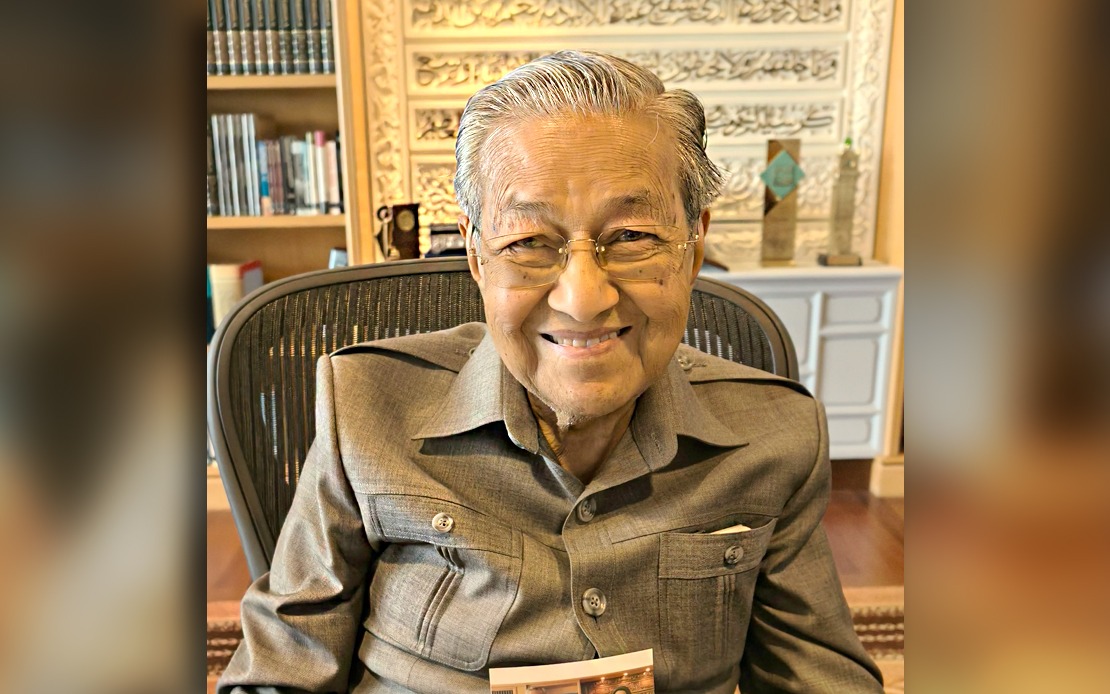
Several key members of Malaysia's Cabinet marked former Prime Minister Tun Dr Mahathir Mohamad's 101st birthday on Wednesday with heartfelt public messages, reflecting the deep respect the veteran statesman continues to command across the nation's political establishment. The coordinated outpouring of greetings underscores Dr Mahathir's enduring significance in Malaysia's post-independence political narrative, even as he spends his centennial years in retirement from high office.
Communications Minister Datuk Fahmi Fadzil led the public acknowledgements through social media, taking to Facebook to express his hopes that the elder statesman would continue to enjoy robust health, happiness, and divine blessings in the years ahead. The minister's tribute highlighted the exceptional nature of reaching such an advanced age, describing the 101st birthday as an "incredible milestone" worthy of national recognition. Fahmi's message struck a tone of genuine warmth while invoking spiritual blessings, a common practice in Malaysian political discourse that reflects the country's Islamic values.
Two additional Cabinet members added their own tributes on the day. Minister in the Prime Minister's Department (Law and Institutional Reform) Datuk Seri Azalina Othman Said and Higher Education Minister Datuk Seri Dr Zambry Abd Kadir both extended their well-wishes, similarly praying that Dr Mahathir would remain blessed with robust health, divine mercy, and continued protection under Allah's will. The convergence of these messages from ministers across different portfolios suggests a deliberate acknowledgement within government circles of Dr Mahathir's historical importance and personal significance to Malaysia's political community.
Dr Mahathir's life has been defined by two distinct eras of leadership that collectively shaped modern Malaysia. Born on July 10, 1925, in Alor Setar, Kedah, he first assumed the Prime Minister's office in 1981 and governed the nation for a continuous 22-year period until his retirement in 2003. During this lengthy tenure, he implemented transformative economic policies, initiated major infrastructure projects, and projected Malaysia as a significant player in global affairs. His Vision 2020 programme sought to position Malaysia as a fully developed nation by the twentieth century's final year, an ambition that influenced policymaking across multiple administrations.
The second chapter of his political career proved equally remarkable. At the age of 92, he returned to the Prime Minister's office in 2018, a feat that garnered international attention and secured his place in the Guinness World Records as the world's oldest serving prime minister at that time. This unexpected political comeback, spanning nearly fifteen years after his initial departure from office, demonstrated the enduring public trust in his leadership capabilities and his ability to mobilize support during a period of significant political flux. His 2018-2020 tenure, though shorter than his first period in power, occurred during a pivotal moment when Malaysian democracy faced considerable strain.
The significance of these birthday tributes extends beyond mere ceremonial gestures. They represent tacit recognition within the current administration that Dr Mahathir's contributions to nation-building and institutional development remain relevant reference points for contemporary Malaysian politics. Despite occasional controversies and criticisms surrounding certain policies implemented during his various periods in office, his overall legacy continues to command respect among younger and older generations of policymakers alike.
For Malaysian readers and observers of Southeast Asian politics, Dr Mahathir's longevity at such an advanced age serves as a remarkable reminder of Malaysia's capacity to respect and honour its elder statesmen. Few nations in the region have seen former leaders continue to enjoy such public prominence and institutional recognition well into their centennial years. His presence as an elder figure remains symbolic of continuity within Malaysia's political ecosystem, even as the nation navigates contemporary challenges in governance, economic development, and social cohesion.
The public nature of these birthday messages also reflects the broader Malaysian political culture, where senior officials frequently utilize social media platforms to communicate directly with citizens on matters of national and personal significance. By making their tributes public through Facebook and other channels, these Cabinet ministers ensured that Dr Mahathir's milestone received widespread acknowledgement beyond immediate government circles, reinforcing his status as a figure of national stature whose personal milestones carry collective significance.
At 101 years old, Dr Mahathir's continued vitality and mental acuity have become subjects of genuine national interest and pride, particularly given his ongoing engagement with public discourse on matters ranging from economic policy to democratic governance. The ministerial wishes for his sustained good health acknowledge both the fragility of advanced age and the value the nation places on having such an experienced voice available for consultation and commentary, whether formally or informally, on Malaysia's strategic direction and institutional development.

