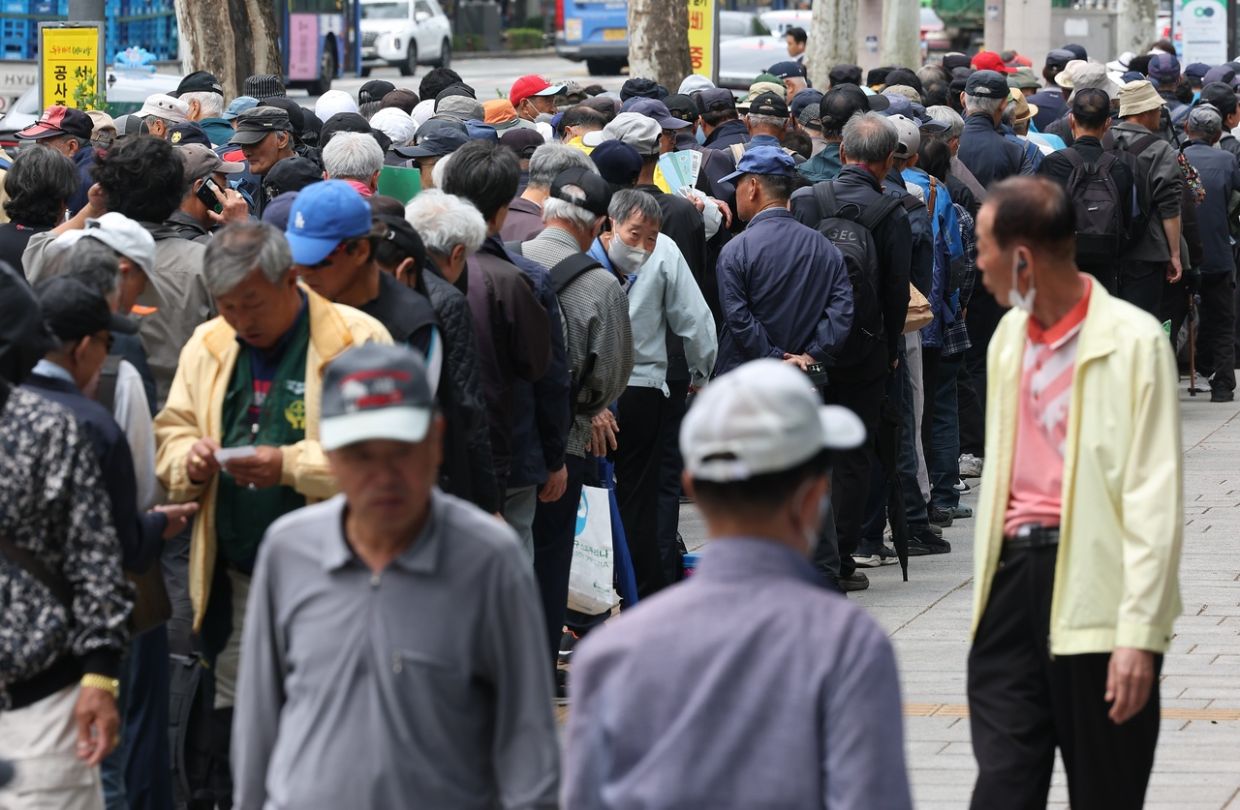
Seoul's efforts to expand transportation support for its rapidly ageing population have entered a critical phase, with the city's metropolitan council poised to vote on free or subsidised bus fares for residents aged 70 and older. The proposal, which cleared a committee on Monday, June 15, represents a significant expansion of the city's decades-long commitment to free subway travel for those aged 65 and above. The initiative aligns with campaign pledges made by Seoul Mayor Oh Se-hoon during June's local elections, signalling the political priority assigned to senior welfare in one of Asia's most rapidly ageing cities.
The proposed benefit would apply exclusively to city and neighbourhood buses, deliberately excluding express and intercity services where costs would mount considerably. While the ordinance, championed by Seoul Metropolitan Council Transportation Committee Chair Lee Byeong-yoon of the People Power Party, cleared the committee stage, it still requires approval at the council's plenary session scheduled for June 17. Even if it passes, the implementation timeline remains uncertain. The city would need to determine eligibility thresholds, calculate appropriate subsidy levels, and establish a sustainable funding mechanism—tasks that could take months or longer to resolve.
The financial implications of the proposal have become the focal point of intense debate. According to projections by the Seoul Metropolitan Council Secretariat, introducing universal free bus rides for all residents aged 70 and older would require approximately 104.7 billion won (US$68 million) in the first year of operation, assuming a 2027 launch date. The burden would intensify as Seoul's demographic structure shifts dramatically. The city's population aged 70 and above is expected to climb from roughly 1.27 million currently to 1.63 million by 2031, pushing five-year cumulative costs to nearly 579 billion won. These staggering figures come at a time when senior citizens already comprise 21.2 per cent of Seoul's total population, amplifying concerns about the sustainability of welfare spending.
Seoul's existing transportation subsidy architecture already strains municipal finances considerably. The city compensates private bus operators for operating losses through a semipublic system that cost more than 450 billion won annually last year. Simultaneously, Seoul Metro has struggled with significant deficits directly attributable to fare waivers. Free rides for seniors, people with disabilities, and national merit recipients generated transportation losses averaging 364.5 billion won annually over the past five years, with the deficit reaching 448.8 billion won in 2025 alone. Seoul Metro has repeatedly petitioned the central government to help shoulder this burden, arguing that the city cannot sustainably absorb the financial impact of free senior travel without additional support from Seoul's budget.
Other South Korean cities have already ventured into similar territory, providing a cautionary reference point for Seoul's deliberations. Daegu initiated free bus rides for seniors in 2023 and has committed to gradually lowering the eligibility threshold from 75 to 70 by 2028. Daejeon currently offers free bus rides to residents aged 70 and older, while Incheon plans to launch an equivalent programme for those aged 75 and above during the current year. These parallel initiatives demonstrate that the concept enjoys political traction across the country, yet they simultaneously illustrate the cumulative fiscal burden emerging across municipal governments as regional populations age at varying rates.
Policy experts and fiscal analysts have sounded alarm bells about the precedent being set. Sohn Jong-pil, a senior researcher at the Fiscal Reform Institute, warned that welfare programmes, once introduced, develop powerful constituencies that make reversal politically hazardous. "Cash-type welfare programmes are difficult to reverse once they begin, so policymakers need to proceed cautiously," he cautioned, adding that "simply expanding support without strengthening the public accountability of the semi-public bus system has limitations." This concern resonates particularly in Seoul, where politicians face persistent pressure to address the needs of an increasingly senior electorate while simultaneously managing competing demands for investment in infrastructure, housing, and social services.
Understanding the equity dimension of the debate proves essential for Malaysian and Southeast Asian observers watching Seoul navigate ageing demographics. Supporters of the bus subsidy initiative point out that the current system, which provides free subway access to those 65 and above but charges bus fares, creates uneven burdens. Seniors living in areas with limited subway coverage or those who rely primarily on buses for daily travel—often those with lower incomes—face greater transportation costs than their counterparts in well-serviced subway corridors. Expanding benefits to cover bus travel would theoretically address this disparity, ensuring that senior citizens regardless of residential location can access affordable public transport.
Yet the ordinance itself, as city officials have clarified, does not mandate immediate universal free rides for all seniors aged 70 and older. Instead, it establishes a legal framework enabling the city to determine eligibility criteria and benefit levels with considerable flexibility. Seoul could potentially begin by targeting low-income seniors, implementing caps on the number of subsidised journeys, restricting support to specific times of day, or offering partial fare discounts rather than complete waivers. This flexibility theoretically allows policymakers to balance equity concerns with fiscal sustainability, though critics worry that once a programme launches, even in modest form, political pressure will inevitably push for expansion toward universality.
The timing of this proposal coincides with mounting labour cost pressures within Seoul's bus industry. Recent court rulings on ordinary wage calculations are expected to increase operating costs across the sector significantly, adding another layer of fiscal stress to municipal budgets already stretched thin by existing subsidy commitments. Bus operators, already dependent on government support to remain viable, will face higher expenses even without new service obligations. This convergence of demographic pressure, established welfare commitments, and rising operational costs creates a constrained fiscal environment in which Seoul must make strategic choices about service expansion.
For Southeast Asian policymakers and observers, Seoul's predicament offers important lessons about the long-term fiscal implications of generous senior welfare programmes. Malaysia, Thailand, and other ASEAN nations with rapidly ageing populations face similar questions about sustainable transport pricing and social support for elderly citizens. Seoul's experience demonstrates that once universal benefits take root—particularly in visible, everyday services like public transport—reversing them becomes virtually impossible politically, even when costs exceed original estimates. The city now confronts a choice between reaffirming its commitment to senior welfare and acknowledging fiscal limits that may require more targeted, means-tested approaches.
The vote scheduled for June 17 will reveal whether Seoul's political consensus tilts toward expanding the social safety net or stepping back from new commitments pending fiscal consolidation. Regardless of the outcome, the debate itself signals the mounting tension between ageing populations' legitimate needs and municipal governments' finite resources. As Southeast Asia's own demographic pyramids invert, these Korean precedents—both successes and failures—will likely inform policy discussions across the region.

