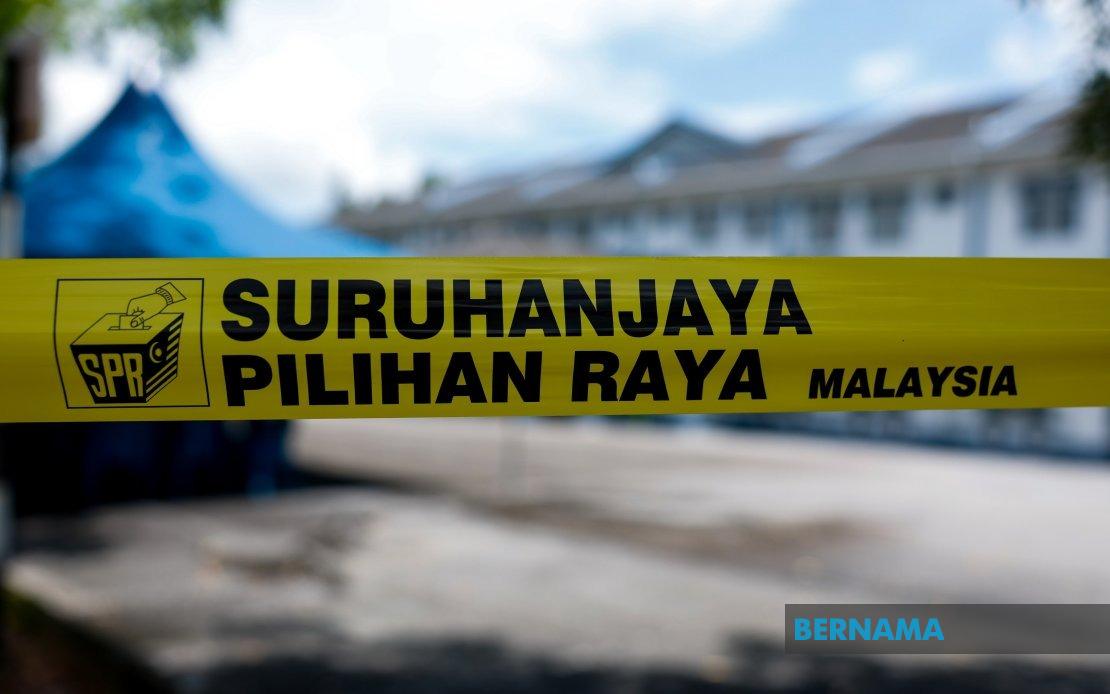
The Royal Malaysia Police have opened seven investigation papers concerning violations of election laws during the ongoing campaign for Negeri Sembilan's 16th state election, according to Negeri Sembilan Police Chief Datuk Alzafny Ahmad. The announcement underscores the authorities' heightened vigilance as the electoral process enters its critical phase, with voting scheduled for early August. This enforcement action reflects broader efforts to maintain order and fairness throughout the contest.
Two of the investigation files were initiated following incidents on July 22, involving alleged breaches under Section 427 of the Penal Code, which pertains to mischief causing destruction of or harm to property. These charges suggest that campaign activities may have crossed into territory involving physical damage to signs, posters, or other election-related materials—a recurring concern during heated state and federal contests in Malaysia. Such incidents, while typically low-level, can escalate tensions between competing political camps if not managed carefully.
The overall tally of election-related complaints presents a concerning trend. Between July 18 and July 22, the Negeri Sembilan contingent of the police force received a total of 12 reports touching on electoral law violations. This five-day spike indicates that tensions mounted as campaigns intensified and rival parties increased their visibility on the ground. For Malaysian voters, such metrics provide a window into whether this election cycle has been more contentious than previous contests, though comparative data across election cycles would be needed to establish definitive patterns.
Meanwhile, campaign logistics have proceeded at a steady pace. Organisers submitted 53 permit applications for political ceramahs and associated campaign activities on July 22 alone, all of which received police approval. This brings the cumulative total of authorised permits to 226 since the campaign commenced. The high volume of approved permits demonstrates that despite enforcement action against certain violations, the political machinery for legal campaign events has operated smoothly, allowing parties to conduct their outreach efforts without blanket restrictions.
Police have made clear that all political programmes and activities remain under continuous surveillance. Datuk Alzafny stated that monitoring efforts are designed to verify compliance with electoral and public order laws while protecting community safety. This dual mandate—permitting political freedom whilst maintaining public tranquility—represents the delicate balance Malaysian authorities must strike during election periods, particularly in multiethnic constituencies where communal sensitivities can quickly become inflamed.
The police leadership has signalled that enforcement will intensify if violations continue. Stern action, according to Alzafny's statement, awaits any further breaches of electoral regulations. This messaging is intended to deter potential offenders whilst reassuring the broader public that law enforcement takes campaign misconduct seriously. For political parties, the implication is clear: any temptation to skirt legal boundaries could result in criminal investigation and potential charges that might embarrass the party and implicate individual organisers.
The timing of this police intervention is significant. Early voting for the Negeri Sembilan state election is scheduled for July 28, with general polling set for August 1. This means that the bulk of the campaign period occurs within a narrow window—roughly two weeks from the start of formal campaigning to election day. Within such a compressed timeframe, any outbreak of disorder or widespread legal violations could undermine public confidence in the electoral process itself. The police's proactive approach reflects an awareness that swift action early in the campaign can set a tone of lawfulness for the remainder.
For Malaysian voters and observers, the Negeri Sembilan election serves as a microcosm of electoral health in the country's states. Negeri Sembilan, a smaller state with nine parliamentary constituencies, often sees contests that are less nationally polarising than Selangor or Johor, yet still demonstrate the competitive dynamics of Malaysia's political landscape. The nature and scale of election offences during such contests offer insights into whether Malaysian campaign culture has become more or less disciplined compared with previous cycles.
The police have also appealed to the public to maintain compliance with electoral laws and to respect the democratic process. This appeal speaks to a broader institutional concern: that elections can trigger behaviour that some citizens might not ordinarily exhibit. The request for cooperation with the Royal Malaysia Police underscores the partnership model upon which Malaysian electoral governance rests—authorities cannot manage elections without public participation in upholding standards of conduct.
Background context is essential for understanding this enforcement action. Malaysia conducts elections under a framework that grants broad discretion to police and electoral authorities to restrict certain activities deemed disruptive. While this framework has facilitated relatively orderly elections, it has also invited criticism from observers who argue that enforcement can sometimes be applied unevenly across competing parties. The Negeri Sembilan police's emphasis on open permit approval and transparent reporting may be an attempt to demonstrate even-handed administration.
The road to August 1 will test whether the seven investigation papers and the broader police presence achieve their stated aim: a peaceful, harmonious, and orderly state election. Political analysts will watch closely to see whether the number of reported offences continues to rise or stabilises, and whether the cases under investigation result in prosecutions. These outcomes will influence perceptions of whether this electoral cycle represents a return to campaigning norms or a departure toward greater acrimony.
For Southeast Asian observers, the Negeri Sembilan election also carries wider implications. State elections in Malaysia are frequently laboratories for political innovation and shifting voter preferences ahead of federal contests. Any disruptions or widespread violations could signal underlying fragmentation in Malaysia's political consensus—a concern that neighbouring democracies monitor closely. Conversely, a calm and orderly Negeri Sembilan election would reinforce confidence in Malaysia's electoral institutions during a period when regional democracy faces multiple pressures.
As the campaign reaches its final fortnight, the authorities have positioned themselves for close monitoring and strict enforcement. Political actors, sensing police readiness, will likely calibrate their activities accordingly. The result should be a Negeri Sembilan election characterised by robust campaigning within legal bounds—an outcome that serves the interests of both democracy and public order.

