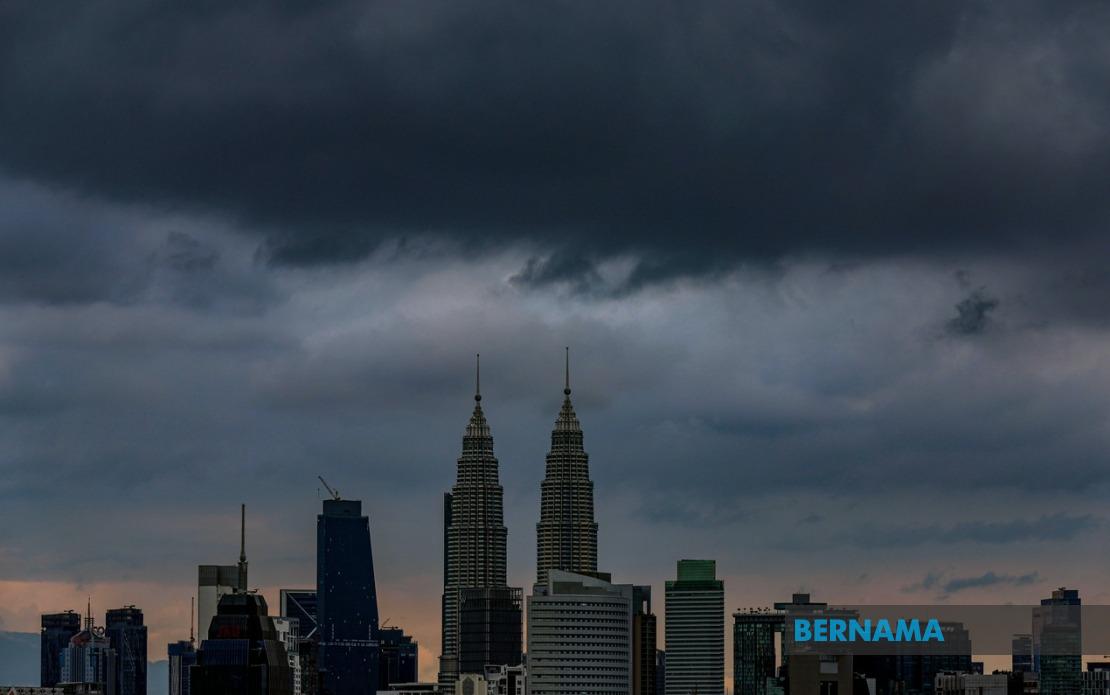
The Malaysian Meteorological Department has issued a widespread weather warning covering Kuala Lumpur, Putrajaya and ten additional states, cautioning residents to prepare for potentially hazardous conditions including thunderstorms, heavy downpours and strong gusts of wind throughout the day until 7 pm. The alert underscores the volatile monsoon patterns currently affecting the country as the inter-monsoon transition period intensifies across the region.
The northern peninsula appears particularly vulnerable to the brewing disturbance. Perlis, Penang and Kedah face the full brunt of the incoming system, with specific districts in Kedah including Langkawi, Kubang Pasu, Padang Terap, Kuala Muda and Kulim designated as high-risk zones. Perak's exposure extends across multiple divisions, encompassing the highland region of Hulu Perak alongside lowland areas such as Manjung, Kampar and the coastal district of Bagan Datuk, indicating that the weather system will affect both elevated terrain and populated urban centres across the state.
The east coast faces equally significant disruption, with Kelantan's Gua Musang district and multiple municipalities throughout Terengganu expected to experience the adverse conditions. The affected Terengganu localities—Besut, Setiu, Kuala Nerus, Hulu Terengganu and Dungun—represent a concentrated band of exposure running from the coast inland. Pahang's vulnerability spans from the famous hill station of Cameron Highlands southward through Raub, Bentong and into Rompin, suggesting the system will traverse the state's diverse topography from mountain slopes to interior lowlands.
Selangor, which surrounds the federal territories, faces particular concern given its proximity to Kuala Lumpur and the concentration of critical infrastructure and dense population in the Klang Valley corridor. The warning encompasses Hulu Selangor, Gombak, Petaling, Kuala Langat, Hulu Langat and Sepang, essentially creating a protective band around the capital region. This extensive coverage indicates that traffic congestion, flooding in flood-prone areas and disruptions to essential services remain genuine hazards for the greater Kuala Lumpur metropolitan area during the alert period.
East Malaysia faces comparable weather disruption, with Sarawak bearing a substantial portion of the forecasted system. The affected districts range from Kuching Division encompassing both Bau and Kuching itself, through Serian and Samarahan, extending inland to Sri Aman, Betong and Sarikei. The condition is projected to reach Sibu Division, covering Selangau, and penetrate the remote interior through Kapit Division's Song and Kapit areas as well as Bintulu Division's Tatau. The alert extends to Miri Division, affecting both Subis and Miri town, indicating a systemic weather pattern affecting the entire state rather than isolated pockets.
Sabah's interior and eastern regions will similarly experience the severe weather, with the Interior Division's Keningau and Tambunan districts facing thunderstorm activity alongside Ranau in the West Coast Division. The Sandakan Division experiences the greatest exposure, with four districts affected: Telupid, Kinabatangan, Beluran and Sandakan itself. This configuration suggests the weather system originates from or is being channelled through Sabah's eastern approaches, potentially influenced by the surrounding seas and the state's topographical characteristics.
Thunderstorms accompanied by heavy rainfall present significant hazards across affected regions. The combination of intense precipitation and strong winds creates risks including flash flooding in low-lying areas, landslides in hilly terrain, and disruptions to transportation networks. Urban areas face potential drainage overwhelm and temporary waterlogging of roads, whilst rural communities in mountainous districts must contend with heightened risks of soil instability. Power supply interruptions remain a concern whenever severe weather strikes, particularly in areas dependent on overhead electrical distribution networks.
The timing of this alert—extending through the late afternoon into early evening—suggests that commuters and daily activities will be significantly affected. Drivers should exercise extreme caution on highways and secondary roads, whilst those planning evening activities would be prudent to make alternative arrangements. Schools, commercial establishments and government offices in affected areas should review their contingency protocols and ensure staff can depart safely if conditions deteriorate rapidly.
Such widespread alerts across the peninsula and East Malaysia during this season reflect the dynamic weather patterns characteristic of Malaysia's inter-monsoon periods. Residents in the designated alert zones should monitor official weather updates, secure loose outdoor items, avoid unnecessary travel and remain alert for localised flooding. The meteorological department's decision to issue this comprehensive warning demonstrates the seriousness with which authorities view the approaching system's potential impact across the nation's diverse geography.

