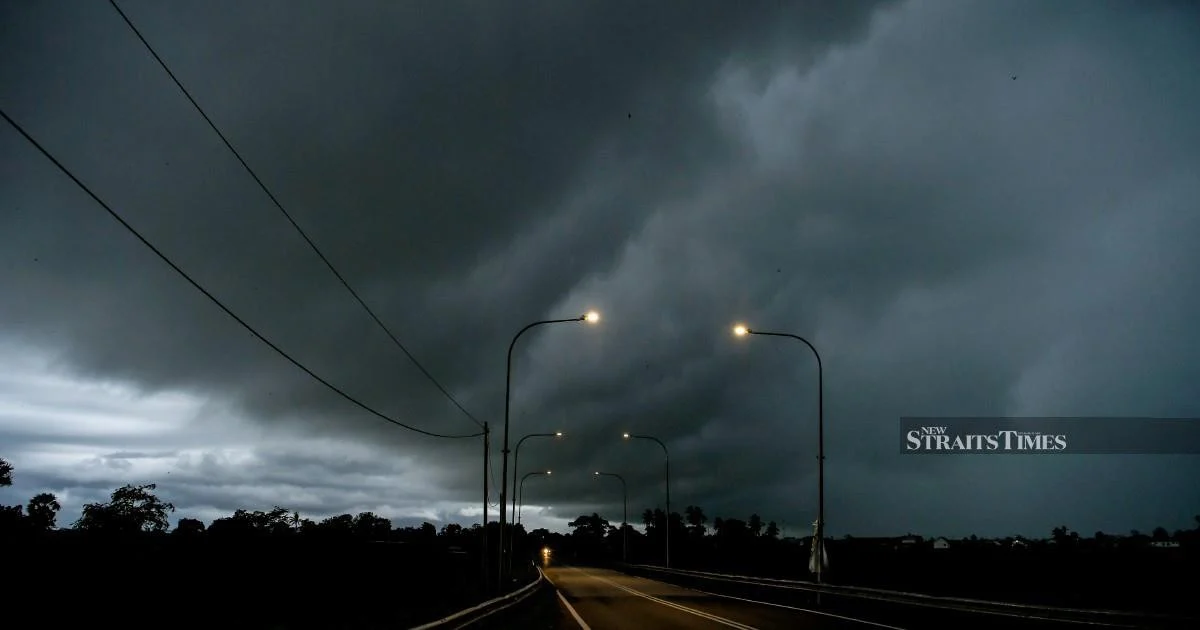
The Meteorological Department, commonly known as METMalaysia, has activated a severe weather alert across a significant portion of the country, warning of dangerous thunderstorms, strong winds and torrential rain in Putrajaya, Labuan and ten other states. The alert remains in effect until 9am on the day of issue, providing residents with a narrow window to prepare for potentially hazardous conditions.
Thunderstorm warnings of this scope carry serious implications for daily life across the affected regions. Strong winds associated with such weather systems can damage property, uproot trees and disrupt power lines, potentially leaving communities without electricity for extended periods. The combination of heavy rainfall and violent wind gusts creates particularly treacherous conditions for motorists, pedestrians and those working outdoors, making travel advisories essential during the alert period.
The precision timing of METMalaysia's forecast—specifying an end time of 9am—suggests the department has identified a particular weather system with measurable duration and geographic boundaries. This level of meteorological detail reflects the agency's capacity to track convective activity and predict its movement with reasonable accuracy, allowing residents and authorities to take targeted precautionary measures rather than operating under open-ended uncertainty.
For residents in the affected territories and states, the immediate concern centres on infrastructure vulnerability. Power utilities typically activate emergency response teams ahead of severe weather warnings, positioning crews to address outages swiftly. Transportation authorities often impose speed restrictions on highways and may temporarily close certain routes, particularly bridges and elevated sections prone to wind effects. Schools and businesses in affected areas may adjust operating schedules or advise staff to remain home during the warning period.
The geographic spread of this alert—encompassing two Federal Territories plus a substantial portion of Malaysia's state-level administrative divisions—indicates a weather system of considerable proportions. Such widespread alerts, when issued by METMalaysia, typically reflect atmospheric conditions affecting a coherent weather pattern rather than isolated local phenomena. The inclusion of Labuan, which sits isolated off the Sabah coast, alongside Putrajaya in the peninsula's central region, suggests the system may be moving across multiple geographic zones or affecting the country's maritime and terrestrial areas simultaneously.
Public safety officials across the warned jurisdictions typically activate their standard protocols when such advisories are issued. This includes positioning emergency response teams, alerting hospital emergency departments to potential surge in weather-related injuries, and ensuring drainage systems are operational to handle excess water. Municipal authorities may also advise citizens on securing loose items outdoors and avoiding unnecessary travel that could result in accidents on slippery roads.
The phenomenon of sudden, violent thunderstorms has become increasingly familiar to Malaysian residents in recent years, reflecting broader climate patterns affecting Southeast Asia. These systems can develop rapidly and deliver extreme precipitation in short timeframes, creating flash flooding conditions particularly in areas with inadequate drainage infrastructure or near waterways. Urban planners and environmental agencies continue grappling with the challenge of adapting city design to accommodate such intense rainfall events.
For business operations, the practical implications of a morning thunderstorm warning extend beyond simple inconvenience. Manufacturing facilities, construction sites, warehousing operations and outdoor commercial activities face disruption or temporary shutdown during the alert period. Supply chains dependent on road transport may experience delays, affecting just-in-time inventory systems that many Malaysian firms rely upon. The financial impact of such weather disruptions, though temporary, accumulates across the economy when multiple incidents occur throughout a season.
METMalaysia's warning systems depend on continuous monitoring of atmospheric pressure, wind patterns, radar reflectivity and other meteorological indicators. When the department issues an alert specifying time parameters, it reflects confidence in the underlying data and forecast models. Residents receiving such warnings are generally advised to treat them seriously, ensure family members know their whereabouts during the alert period, and avoid driving through areas prone to flooding. Mobile phones should ideally remain charged, as communication becomes critical if emergencies arise.
The transition period immediately following the 9am deadline will be significant—meteorologically, the atmosphere will gradually stabilise as the convective system moves through or weakens. However, saturated ground conditions and swollen drainage channels persisting after the storm passes may themselves create hazardous situations. Emergency services typically remain on heightened alert even after official warnings expire, prepared to respond to flooding and wind-damage incidents throughout the morning and into the afternoon.

