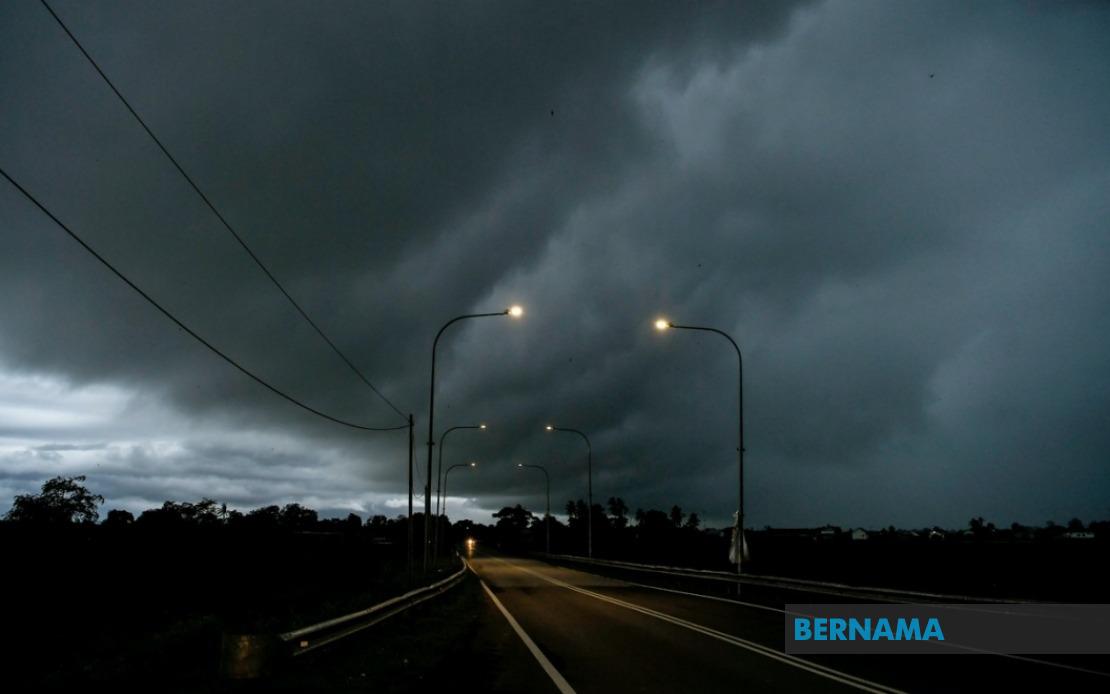
The Malaysian Meteorological Department has activated a weather alert affecting large swathes of the country, cautioning residents and commuters across nine states, the capital Kuala Lumpur, and the administrative centre Putrajaya to prepare for severe weather conditions lasting until 6 pm today. The alert encompasses thunderstorms accompanied by heavy precipitation and gusty winds, conditions that could impact daily activities and pose safety risks to those venturing outdoors.
In Peninsular Malaysia, the warning extends across Johor in the south, reaching northward through Negeri Sembilan and into Perak, where specific districts including Hulu Perak, Kuala Kangsar, Kinta, Kampar, Hilir Perak, Batang Padang and Muallim face the heightened risk. The east coast states of Kelantan, Terengganu, and Pahang are similarly affected, with the meteorological department identifying vulnerable zones from coastal areas such as Tumpat and Pasir Mas in Kelantan to inland regions including the highland areas of Cameron Highlands and Bentong in Pahang.
Selangor, home to the nation's largest urban concentration and industrial hub, experiences coverage across multiple zones spanning from the coastal regions of Sabak Bernam and Kuala Selangor to the densely populated Klang Valley areas including Gombak, Petaling, and Sepang. This geographical spread suggests the potential for significant disruption across major commercial and residential centres, with implications for business operations and public transportation networks serving millions of commuters daily.
East Malaysia has not been spared from the meteorological warning, with Sarawak experiencing alerts across districts including Kuching, the state capital and economic centre, extending through Sibu, Mukah, Bintulu, Miri, and Limbang. The specificity of the warning, identifying particular subdivisions such as Julau within Sarikei and Kanowit within Sibu, indicates the precision with which meteorologists are tracking the approaching weather system and its expected movement across the region.
Sabah similarly faces widespread exposure, with three geographical zones placed under alert. The mountainous Pedalaman region encompassing Sipitang, Tenom, Beaufort, Nabawan, Keningau, and Tambunan faces the warning alongside the West Coast districts of Papar, Penampang, Kota Kinabalu, Tuaran, and Ranau, plus the Sandakan division covering Tongod, Telupid, Beluran, and Sandakan. The breadth of affected areas suggests a major weather system capable of generating significant impact across multiple regions simultaneously.
Thunderstorm alerts of this scale carry substantial implications for Malaysian economic activity. The warning period encompasses typical business and commuting hours, creating potential disruptions to supply chains, retail operations, and services dependent on reliable transportation networks. For manufacturing-dependent states like Perak and Selangor, such weather events can interrupt production schedules, while the coastal and low-lying districts face elevated risks of localized flooding that could damage infrastructure and delay recovery efforts.
Public safety concerns represent another critical dimension, particularly given the combination of thunderstorms with heavy rainfall and strong winds. These conditions increase hazards for motorists navigating urban highways and rural roads alike, while pedestrians face enhanced risks from lightning strikes. The alert issued by the Malaysian Meteorological Department serves as an official warning enabling residents and authorities to implement precautionary measures, including securing loose outdoor items and avoiding unnecessary exposure during the warning period.
For the transportation sector, the alert carries implications for aviation, maritime, and ground transport operations. Flight operations may experience delays or cancellations, particularly affecting regional routes connecting Peninsular Malaysia with East Malaysia, while maritime traffic could face operational challenges. Public transportation authorities typically increase staffing during such weather events to manage potential congestion and ensure passenger safety at transit hubs and stations.
The timing of the alert, with a 6 pm expiration, suggests the meteorological department expects the weather system to move through or dissipate during the evening hours. However, the specific identification of numerous districts across multiple states indicates meteorologists have tracked the system with considerable precision, allowing for geographically targeted warnings rather than blanket national alerts. This targeted approach reflects advancing forecasting capabilities while enabling residents and authorities in non-affected areas to maintain normal operations.
Businesses and public agencies across the warned regions should activate their contingency protocols, including ensuring backup power systems are operational, securing outdoor materials and equipment, and briefing staff on safety procedures. The meteorological department's issuance of such warnings provides crucial lead time for communities to implement protective measures, though the relatively brief duration through 6 pm means responses must be immediate and decisive.
Residents in affected areas should monitor weather updates from the Malaysian Meteorological Department for any extensions or modifications to the alert. Those planning evening activities should defer outdoor plans until conditions improve. The comprehensive geographical coverage of this alert underscores the significant scale of the atmospheric system approaching and the meteorological department's commitment to providing timely, detailed warnings enabling communities to remain safe during severe weather episodes.

