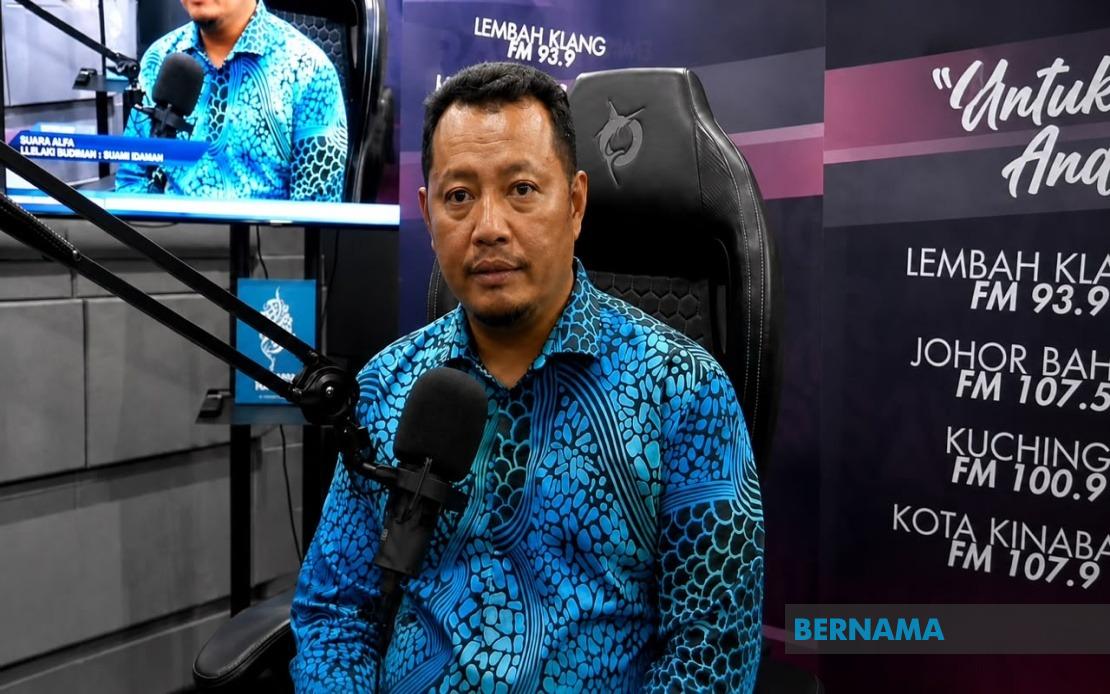
The foundation for developing responsible and genuinely gentlemanly men lies not in adulthood but in the formative years of childhood and teenage development, according to the National Population and Family Development Board (LPPKN). Speaking during a recent broadcast on Bernama Radio's Suara Alfa programme, Md Noh Saiman, chief assistant director of LPPKN's Counselling and Intervention Unit, stressed that the qualities associated with an ethical and conscientious man must be deliberately cultivated during these critical periods rather than expected to emerge naturally in later life.
The process of shaping character fundamentally depends on how parents conduct themselves and the everyday lessons they unconsciously impart through their behaviour. Children absorb far more from direct observation of their parents' actions and choices than from any explicit instruction or lecture about proper conduct. According to Md Noh, the way parents interact with one another, manage challenges, and approach their responsibilities creates a powerful blueprint that becomes embedded in children's developing minds. This understanding places substantial responsibility on mothers and fathers to recognise their role as living examples of the virtues they wish to instil.
The notion of what constitutes a gentleman extends considerably beyond superficial courtesy or romantic gestures, Md Noh clarified. Genuine manhood encompasses deeper qualities including sincerity, integrity, and a commitment to fulfilling obligations without expecting recognition or gratitude in return. This distinction matters significantly in Malaysian society, where traditional and modern expectations of masculinity sometimes conflict. A truly responsible man, in this framework, demonstrates his character not through grand displays but through consistent, unglamorous contributions to family welfare and household functioning.
One practical manifestation of this responsible masculinity involves husbands actively participating in domestic responsibilities and childcare. Far from diminishing their role as providers, such involvement represents a mature understanding of partnership and mutual support. When men shoulder household burdens alongside their spouses, they create space for women to develop professionally and personally without the impossible expectation of managing everything alone. This approach fundamentally shifts family dynamics from a hierarchical arrangement toward genuine collaboration, with implications that ripple through workplaces and communities as women gain the stability to pursue their ambitions more fully.
LPPKN's Lelaki Idaman Programme, which recognises outstanding examples of responsible masculinity, operates on two important levels simultaneously. While it celebrates men who already embody these qualities, it simultaneously functions as a vehicle for personal transformation. The programme intentionally creates space for men who recognise shortcomings in their own conduct and wish to fundamentally reshape their approach to relationships, parenthood, and community engagement. This inclusive stance acknowledges that maturity involves the willingness to examine oneself critically and embrace change.
Critical to this growth mindset is the capacity to receive and act upon constructive feedback without defensiveness. Md Noh highlighted that emotionally mature men distinguish between the validity of criticism and the identity of the person offering it. Rather than dismissing feedback based on personal feelings toward the source, responsible men evaluate the substance and truth of what is being communicated. This approach requires significant emotional intelligence and represents a departure from traditional notions of masculine pride that interpret any criticism as an affront requiring rebuttal.
The contemporary digital landscape presents both unprecedented challenges and opportunities for shaping masculine identity and expectations. Social media platforms and online communities now exert enormous influence over how young men and women conceptualise ideal manhood, often promoting narrow or distorted versions that prioritise image over substance. These digital spaces amplify certain portrayals while marginalising others, creating environments where genuinely responsible behaviour might be overshadowed by more attention-grabbing but ultimately hollow displays of masculinity. The exposure to curated online personas means that developing critical thinking about media representation has become an essential part of parenting.
For Malaysian readers, these considerations carry particular weight given the nation's emphasis on family values and social harmony. The quality of men's involvement in family life directly correlates with broader social stability and women's economic participation, both critical factors for national development. As Malaysia pursues greater gender equity and female workforce participation, the cultural shift toward more engaged and supportive husbands and fathers becomes economically strategic rather than merely ethical. Communities where men actively embrace domestic responsibility see corresponding improvements in educational outcomes for children and reduced stress-related illness among women.
Strengthening the family institution, as Md Noh indicated, fundamentally depends on cultivating responsible manhood. When men recognise their role not as sole breadwinner but as full partners in family life, marriages become more resilient and children develop healthier understandings of gender relations. This transformation cannot be imposed through policy alone but must emerge through deliberate, consistent messaging from authority figures, cultural leaders, and parents themselves. The investment in early character development therefore represents preventative work with long-term multiplicative benefits for family stability and social cohesion.
The challenge for contemporary Malaysian parents, educators, and policymakers involves navigating between traditional values and modern realities. Young men today inherit competing narratives about what responsible adulthood entails, pulled in different directions by family expectations, peer influence, and digital culture. Creating coherent pathways toward genuine manhood requires intentional intervention starting in childhood, continued reinforcement through adolescence, and cultural affirmation in adulthood. LPPKN's emphasis on early intervention recognises this reality, positioning childhood as the crucial window during which foundational attitudes about responsibility, respect, and partnership can be established most effectively.

