Pakatan Harapan's manifesto for the upcoming 16th Negeri Sembilan state election distinguishes itself from typical campaign rhetoric by anchoring its commitments in the demonstrated accomplishments of the state government under Menteri Besar Datuk Seri Aminuddin Harun, according to senior coalition figures. The ten-point platform unveiled to voters goes beyond aspirational promises, instead building upon initiatives that have already shown measurable success in the state, representing a deliberate strategy to emphasize continuity and competence over untested ideas.
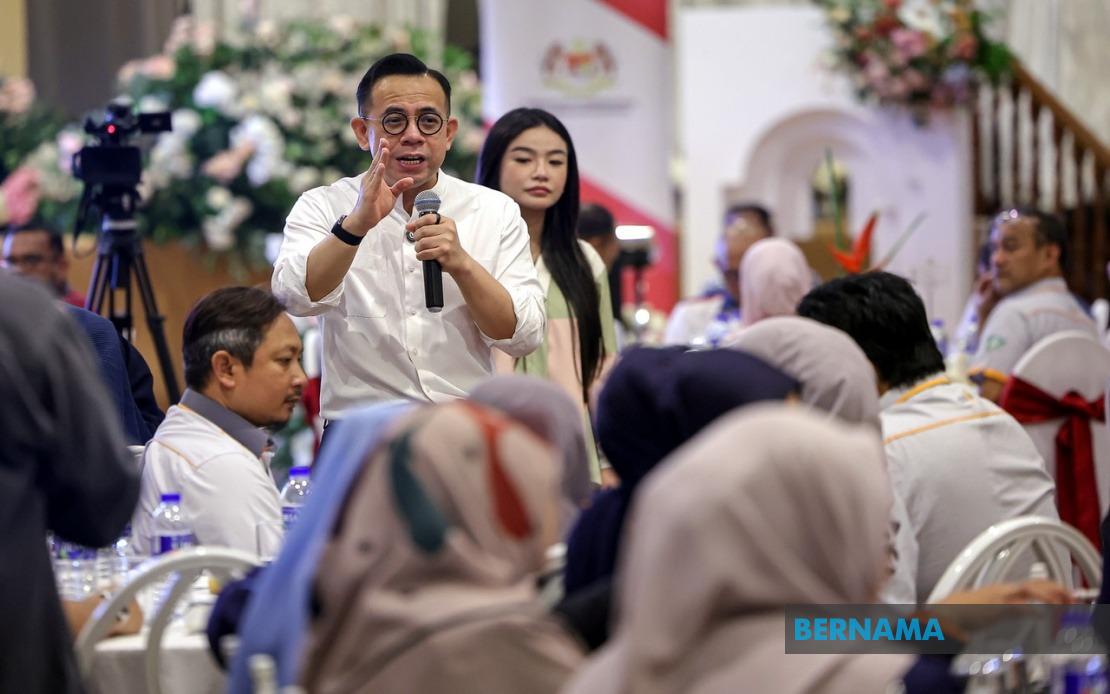
Penang DAP chairman Steven Sim articulated this positioning while addressing reporters at a Negeri Sembilan Ministry of Entrepreneur Development and Cooperatives assembly in Seremban on July 21. He drew a sharp distinction between the manifesto's substance and the typical campaign documents that proliferate during election cycles. Where many political parties present idealistic visions with limited evidence of implementation capacity, Sim argued that Pakatan Harapan's approach rests firmly on institutional memory and proven administrative capability. The coalition's underlying message targets voters weary of unfulfilled electoral promises by grounding its proposals in concrete examples of what the state government has already accomplished.
The manifesto's credibility, according to Sim, derives from the coalition's ability to point to specific programmes that have already demonstrated their effectiveness among Negeri Sembilan's population. Rather than asking voters to take a leap of faith in untested ideas, the coalition invites them to consider the extension and refinement of policies already embedded in the state's governance apparatus. This approach reflects a broader strategic calculation that in an era of voter scepticism, demonstrated competence carries greater persuasive power than ambitious rhetoric alone. The distinction between tangible outcomes and mere statistical improvements emerges as a central theme in Sim's messaging, emphasizing that economic and social benefits must be genuinely experienced by residents rather than simply announced through press releases.
As the Entrepreneur Development and Cooperatives Minister at the federal level, Sim positioned the national government as a supportive partner in implementing the manifesto should Pakatan Harapan retain control of the state. This alignment between federal and state governance structures signals an intention to leverage resources across both levels of administration to maximize the effectiveness of proposed initiatives. The ministry under Sim's leadership would continue coordinating with the Negeri Sembilan government to advance entrepreneurial development and cooperative enterprises, creating institutional continuity between campaign promises and actual policy implementation.
Among the specific commitments outlined in the manifesto, the establishment of a youth entrepreneurs fund (TUB) exemplifies the coalition's approach of building upon existing frameworks rather than inventing entirely new programmes. This initiative falls within the purview of the federal ministry led by Sim, creating an obvious pathway for implementation and accountability. Young entrepreneurs in Negeri Sembilan would benefit from structured financing mechanisms and mentorship opportunities, addressing a demographic increasingly engaged in business creation. The fund represents a targeted response to youth unemployment and economic aspirations rather than a generic pledge of economic growth.
The timing of the election campaign carries particular significance for Malaysian politics in the post-2023 period, when voter confidence in political institutions requires careful rebuilding. Negeri Sembilan, as a historically competitive state, has experienced shifts in political control that reflect broader national trends. The coalition's emphasis on continuity and proven track record thus serves a dual purpose: it appeals to voters satisfied with current governance while potentially persuading swing voters that stability and competence outweigh promises of radical transformation. The state's economic performance under Aminuddin Harun's leadership becomes a central talking point, with the coalition positioning itself as the custodian of prosperity rather than as agents of disruptive change.
The Election Commission's scheduling of early voting on July 28 and polling day on August 1 creates a compressed campaign period in which parties must communicate their messages with clarity and impact. In this condensed timeframe, manifesto positioning becomes especially critical, as voters have limited opportunity to evaluate competing claims. Pakatan Harapan's strategy of emphasizing accumulated evidence and institutional achievement rather than new promises reflects an understanding that detailed scrutiny of campaign materials may be limited. The coalition essentially asks voters to extrapolate from past performance rather than imagine future possibilities, a more defensive but potentially more credible approach.
Negeri Sembilan's economic trajectory under current governance provides the empirical foundation for the coalition's confidence in its manifesto. The state has maintained growth rates and employment levels that compare favourably within the Malaysian context, creating a baseline of success from which the coalition can claim credit and promise incremental improvements. This distinguishes the Negeri Sembilan campaign from other state elections where governing coalitions must overcome narratives of economic mismanagement or stagnation. The coalition's ability to point to specific economic indicators and infrastructure developments strengthens its assertion that manifesto commitments represent reasonable extensions of proven administrative capacity.
The broader implication for Malaysian electoral politics extends beyond Negeri Sembilan's borders, as the state election serves as a testing ground for campaign strategies that may inform approaching electoral contests. If Pakatan Harapan's emphasis on track record and proven achievement resonates with voters, it could reshape how all political parties approach manifestos, shifting focus from aspirational promises to demonstrated competence. Conversely, if voters hunger for transformative change despite economic stability, the coalition's conservative positioning could prove insufficient. The Negeri Sembilan outcome will offer insights into voter priorities regarding continuity versus change, competence versus vision, and incremental progress versus ambitious reform.
The role of ministerial figures like Sim in state campaigns reflects the integration of state and federal politics within the coalition framework. His appearance at state-level events and his articulation of federal support for state initiatives create an impression of seamless governance across administrative levels. This coordination potentially strengthens voter confidence that manifesto commitments can be executed through mobilized resources and institutional alignment. The visibility of federal leadership in state campaigns also communicates to voters that Negeri Sembilan remains a priority within the national coalition's strategic considerations, rather than a peripheral concern.
Ultimately, Pakatan Harapan's Negeri Sembilan manifesto represents a conscious choice to stake its electoral fortunes on the argument that governed stability and proven achievement merit continued voter confidence. Rather than attempting to excite voters with transformative visions, the coalition invites them to recognize the value of competent administration and institutional consistency. Whether this strategy proves sufficient to retain control will depend on whether Negeri Sembilan voters prioritize stability and incremental improvement or whether they seek more ambitious change. The state election will thus provide instructive lessons about contemporary Malaysian voter preferences regarding political parties and governance approaches.

