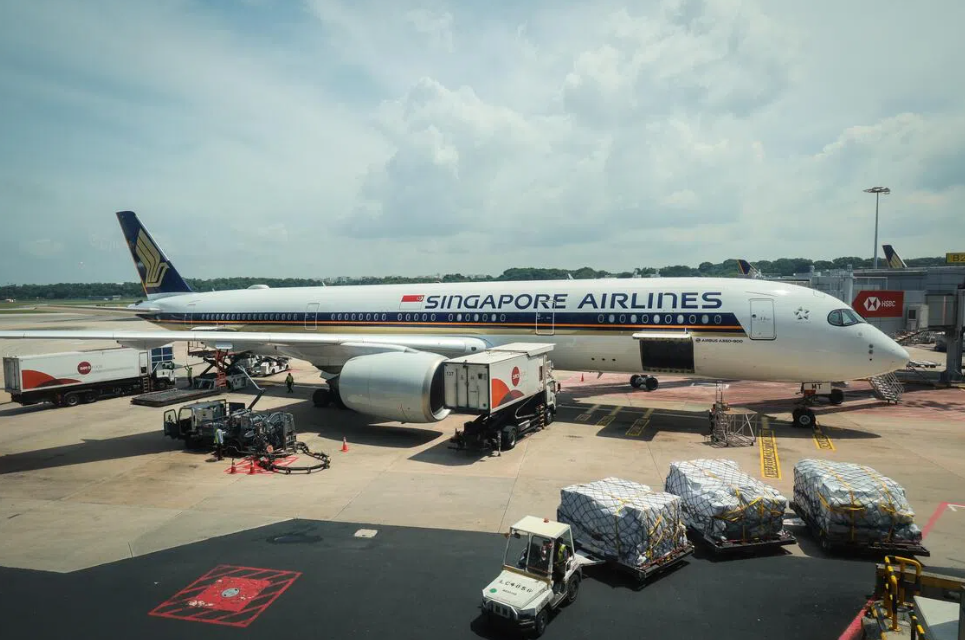
Singapore Airlines faced an unexpected disruption on one of its flagship routes when Flight SQ22, an ultra-long-range service connecting Singapore to New York (Newark), returned to Changi Airport shortly after take-off on August 13. The incident highlighted both the operational challenges of managing the world's longest commercial flights and the airline's crisis management protocols, though lingering questions about transparency persisted among some affected passengers.
The aircraft, an Airbus A350-900 scheduled to depart at 11:35pm on August 12, had been airborne for just hours when crew identified a technical problem necessitating an immediate return. The aircraft touched down at Changi at 3:06am, having travelled roughly one-tenth of the distance toward Newark before the decision was made to reverse course. SQ22 typically operates as one of aviation's most demanding routes, covering approximately 16,700 kilometres in over 18 hours of continuous flight time, positioning it among the most gruelling direct commercial services globally.
While Singapore Airlines confirmed the nature of the incident to media inquiries, the airline did not disclose the specific technical fault that triggered the return. This reticence sparked frustration among some passengers, with one traveller posting on Reddit that although the airline managed the broader situation "incredibly well", the lack of transparency about the aircraft malfunction represented a missed opportunity for passenger communication. The passenger noted particular disappointment at not being informed why the aircraft required towing to a remote parking bay rather than proceeding directly to the terminal.
The logistical challenge of managing 133 passengers and 17 crew members following the unplanned diversion demonstrated the complexity of operating ultra-long-range services. All passengers disembarked and were bussed to the terminal to await alternative arrangements. Notably, the original flight crew could not continue to Newark because regulatory limitations on consecutive flight time would have been exceeded had they operated the replacement service, reflecting international aviation safety protocols that restrict pilot duty periods to prevent fatigue-related incidents.
Singapore Airlines provided food vouchers to compensate passengers during what became a substantial delay while engineering teams assessed the aircraft and arranged a replacement service. The airline coordinated ground handling, catering, and passenger communications during this period, operations that can quickly become complex when involving triple-digit passenger loads and international connections. The replacement aircraft ultimately departed Changi at 5:41am on August 13, arriving at Newark Liberty International Airport at 12:15pm local time—a delay of roughly six hours from the original scheduled arrival.
For Malaysian and Southeast Asian readers, this incident offers perspective on the operational realities of premium long-haul aviation. While such technical turnarounds are rare, they underscore why airlines maintain rigorous maintenance protocols and why aircraft like the A350-900 represent significant investments in safety and reliability. The Airbus A350 series, which Singapore Airlines has progressively introduced to its fleet, incorporates advanced systems designed to detect and flag maintenance issues before they compromise flight safety, suggesting that the aircraft's onboard systems functioned exactly as intended by identifying the problem early.
The passenger experience documentation from this incident also reflects broader industry trends in crisis management. Singapore Airlines' provision of alternative connections, meal vouchers, and ground support contrasts with historical accounts of lesser responses to flight disruptions, suggesting competitive pressure to maintain service quality even during operational failures. The airline's public statement emphasising that "the safety of our customers and crew is always our top priority" aligned with industry-standard messaging, though the absence of technical details left some passengers wondering whether transparency could have been greater.
For frequent flyers on Singapore Airlines' premium services, the incident carries implications regarding reliability expectations. SQ22 represents one of the airline's most prestigious operations, attracting premium-fare passengers who value the convenience of non-stop service between two major global hubs. A single technical incident, even when managed competently, may influence booking decisions among passengers who prioritise absolute schedule reliability or who value detailed explanations of operational disruptions.
The broader context matters as well. Long-range aviation has become increasingly dependent on advanced aircraft and systems, with the A350-900's twin-engine design and sophisticated monitoring capabilities representing state-of-the-art technology. When such systems identify problems early enough to allow safe return to the departure airport, as occurred with SQ22, the operational response actually demonstrates the safety framework working as designed. The question of what specific malfunction occurred remains unanswered in public reporting, though engineering teams and regulatory authorities in Singapore would have documented findings in accordance with aviation incident protocols.
Moving forward, the incident serves as a reminder that even premium airlines operating cutting-edge aircraft experience occasional technical issues. What distinguishes operators is how they respond to such disruptions. Singapore Airlines' handling of passenger logistics, though marked by some communication gaps, demonstrated established procedures for managing extended delays on ultra-long-range flights. For the travelling public, particularly those considering booking premium long-haul services from Southeast Asia, such incidents underscore the importance of comprehending airline policies on delays and disruptions rather than assuming perfect execution of scheduled service.

