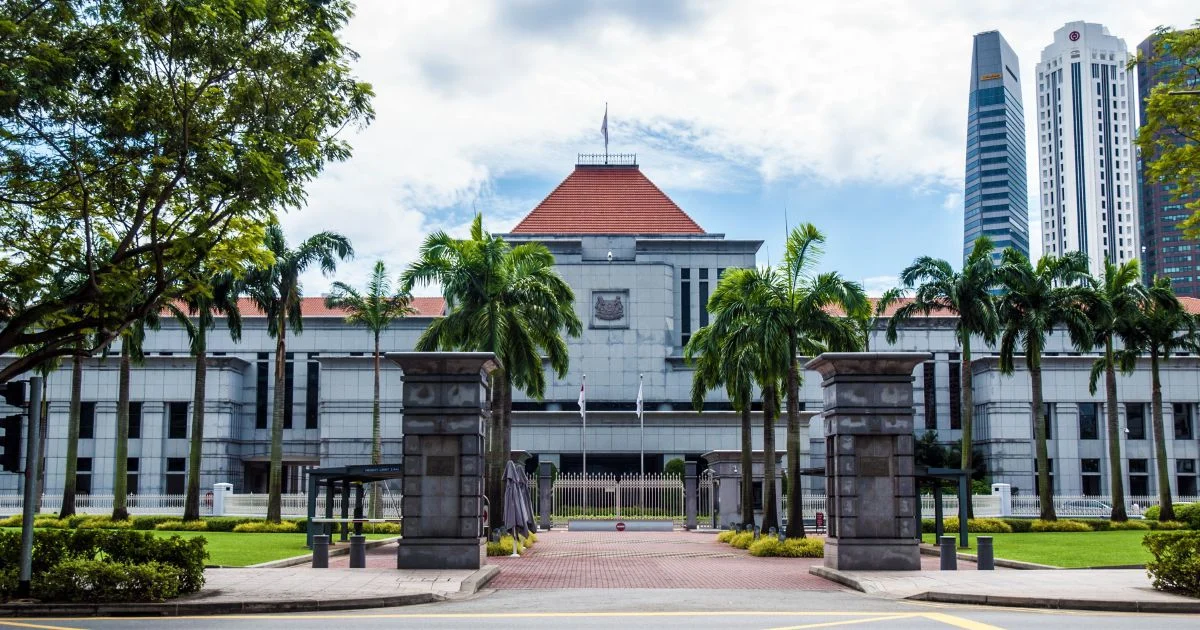
Singapore authorities have made an arrest in connection with a pair of bomb threats that targeted two sensitive government installations, a development that underscores persistent security challenges facing the nation's law enforcement agencies. The 40-year-old suspect was apprehended by the Singapore Police Force following investigations into anonymous threats directed at Parliament House and the Home Team Science and Technology Agency office.
The arrest comes at a time when global security threats have intensified, with bomb threats becoming an increasingly common tactic used by individuals seeking to disrupt government operations or create public alarm. In Singapore's context, where public safety and security are paramount concerns shaping urban planning and citizen confidence, such incidents warrant swift police action and transparent public communication. The arrest demonstrates the police force's commitment to investigating credible threats and bringing perpetrators to justice.
Parliament House represents the heart of Singapore's legislative governance, making any threat against this institution particularly significant from a national security standpoint. The building hosts lawmakers and serves as a symbol of democratic institutions in the country. Similarly, the Home Team Science and Technology Agency functions as a crucial research and development arm supporting Singapore's security sector, making it an equally important target from a security perspective. The fact that both institutions were simultaneously threatened suggests a coordinated pattern rather than random targeting.
Anonymous threats present particular investigative challenges for law enforcement, as perpetrators typically attempt to conceal their identities through various technological or logistical means. However, modern forensic techniques, including digital forensics and telecommunications analysis, have increasingly enabled police forces to trace the origins of such communications. The success of Singapore's police in identifying and arresting this suspect reflects the sophistication of investigative capabilities available to the country's security apparatus.
The incident raises important questions about vulnerability assessment at critical government facilities. Both Parliament House and the HTX office likely employ multiple layers of security screening, including physical barriers, personnel checks, and surveillance systems. When threats emerge, these facilities must balance heightened security measures against operational efficiency and public accessibility. The police response to this incident will likely inform future threat assessment protocols across Singapore's government sector.
For Southeast Asian readers, this development holds particular relevance, as bomb threats and security incidents have affected multiple nations across the region in recent years. Thailand, Indonesia, and the Philippines have each experienced significant security incidents requiring coordinated responses from law enforcement and intelligence services. Singapore's swift arrest demonstrates the effectiveness of institutional security measures and police investigative capacity, offering comparative insights into regional security management.
The arrest also highlights the role of public cooperation in security matters. While details regarding how the suspect was identified remain undisclosed, successful investigations into anonymous threats typically rely on tip-offs from members of the public, workplace colleagues, or digital platform monitoring. Singaporeans' demonstrated willingness to report suspicious activities contributes materially to the country's security framework.
From a legal standpoint, the suspect now faces potential charges under Singapore's Penal Code, which contains provisions addressing criminal intimidation, mischief by fire or explosive, and making threats with intent to cause public alarm. Conviction on such charges can result in substantial prison sentences, serving as a deterrent to would-be perpetrators. The police investigation will need to establish not only the suspect's involvement in transmitting threats but also their mens rea—their criminal intent in making such threats.
Government authorities will likely provide further updates as the investigation progresses and the case moves through Singapore's judicial system. Such transparency serves multiple purposes: it reassures the public that threats are taken seriously, demonstrates institutional confidence in security measures, and reinforces messaging that acts of terrorism or public intimidation will face consequences. The arrest itself represents a successful outcome of the investigative process.
The broader implications for Singapore's security architecture merit consideration. Authorities will undoubtedly review threat assessment procedures across multiple government agencies, assessing whether coordination mechanisms between security services functioned effectively during this incident. Lessons learned may inform protocols for future threats, contributing to incremental improvements in how the nation's security ecosystem responds to such events.
Regional observers will monitor how this case progresses through Singapore's courts, as judicial handling of security-related offences often provides insights into how different jurisdictions balance public safety imperatives against individual rights and due process protections. Singapore's approach to adjudicating such matters influences security policy discussions across Southeast Asia.

