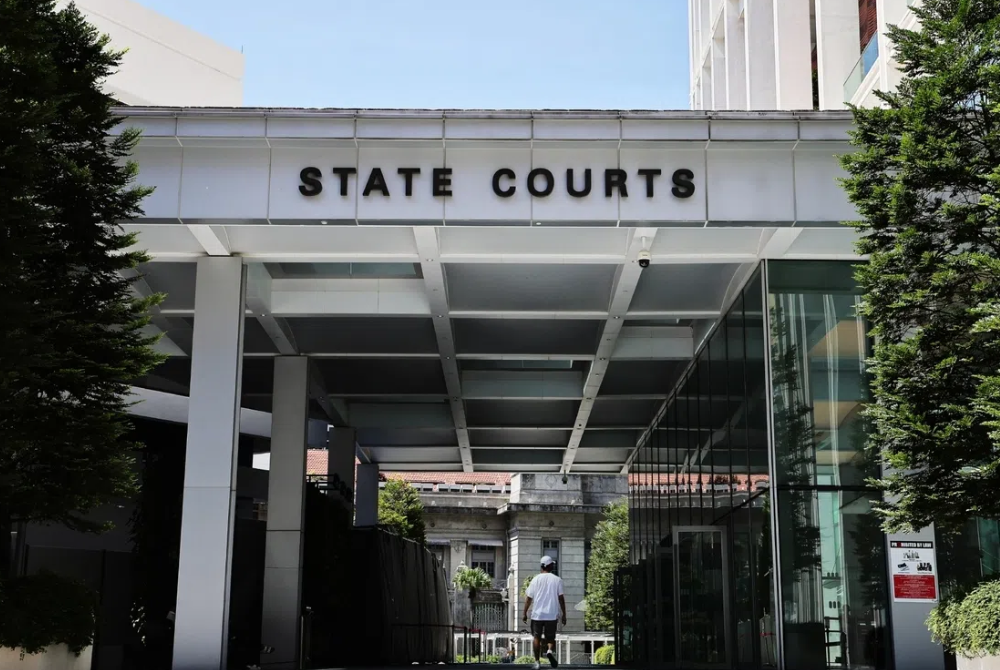
A Singaporean educator has received a sentence of nine years and ten months' imprisonment alongside eight strokes of the cane following his conviction for the serious abuse of young pupils at a private educational facility. The sentencing, delivered on August 21, marks the conclusion of a case that exposed disturbing levels of violence inflicted on vulnerable children who had been placed under his supervision. The man, aged 31, had entered guilty pleas in July to multiple charges including child abuse, voluntarily causing grievous hurt, and providing false information to the Ministry of Manpower.
The allegations paint a deeply troubling picture of systematic mistreatment extending beyond isolated incidents of physical violence. Among the victims was a six-year-old boy from China who arrived at the facility in January 2023 and became the subject of particularly brutal treatment. The prosecuting authorities detailed an extensive pattern of degradation and harm, documenting how the child was struck repeatedly with a clothes hanger on multiple occasions, deprived of adequate nutrition, humiliated through forced consumption of his own urine, and subjected to prolonged stress positions that lasted more than eighteen hours without interruption. The cumulative effect of this sustained abuse resulted in critical injuries, including rib fractures and acute kidney failure requiring nine days of dialysis treatment.
The specific incidents reveal the calculated nature of the abuse rather than spontaneous outbursts of anger. On March 9, 2023, the offender instructed the six-year-old to maintain a push-up position while studying English, a position the child held for over an hour before expressing hunger. Rather than allowing the boy to eat with his peers, the perpetrator forced him to remain in the stress position from 3:45 in the afternoon throughout the entire night until the following morning. During this extended ordeal, the child was punched and stomped upon at 1:15 in the morning, and between 2 and 7 in the morning, the offender placed a chair upon him and sat on it, further compressing his body in the painful position. When the child required use of the toilet, he was compelled to urinate into a basin and subsequently forced to drink the contaminated urine when thirsty.
The following day's events demonstrated an escalation in violence and apparent premeditation to avoid consequences. The offender contacted the boy's father in the early morning hours of March 10, 2023, requesting permission to discipline the child, deliberately omitting any mention of the physical punishment already administered or the abuse scheduled to follow. The father, unaware of the true circumstances, granted permission for discipline. Throughout that day, the child endured continuous assault with clothes hangers and bare hands, with such ferocity that at least one hanger fractured under the force applied. The offender persisted in striking the boy with the broken hanger and continued stamping on his body. By evening, the child had become too weak to maintain standing, leading the offender to carry him to the toilet and spray water on him—actions suggesting a desire to conceal evidence of the assault.
The employment circumstances that enabled this abuse underscore critical gaps in institutional safeguarding. The offender had been hired in 2016 to work as a manager at an educational facility operated by his aunt, which provided accommodation for students and workforce management consultancy services for international students. Despite lacking any formal teaching or childcare qualifications, he was assigned responsibility for teaching primary school pupils, conducting homework supervision, and overseeing the welfare of residential students. This arrangement placed children in the direct care of someone with no professional training in child development, psychology, or appropriate disciplinary methods, creating a environment where unchecked power over vulnerable minors could flourish.
The pattern of abuse extended beyond the six-year-old victim to encompass other children aged six to eleven at the facility. The offender regularly employed physical punishment, including striking students with clothes hangers, punching them, and subjecting them to various forms of deprivation. Court documents indicate the six-year-old was struck approximately six hundred times over the period in question and stomped upon at least forty times. The child was also made to sleep in the toilet facility and provided only bread and water for consumption, constituting both physical and psychological cruelty designed to humiliate and control.
District Judge John Ng's sentencing remarks acknowledged the severity of the offences while addressing mitigating factors presented by the defence. The offender's legal representatives had emphasized his own traumatic childhood history, noting that he had been subjected to physical abuse by an alcoholic father and a gangster older brother who perpetrated violence against him during his youth. However, the judge firmly rejected the argument that such personal trauma provided justification or excuse for his actions toward the children in his care. Judge Ng observed that the offender, having survived abuse himself, should have possessed greater insight into the harm inflicted by violence and should have consciously chosen to protect rather than harm the vulnerable children who had been entrusted to his custody.
The prosecutor's case, advanced by Deputy Public Prosecutors Timotheus Koh and Cheronne Lim, emphasized the profound betrayal of trust inherent in the offender's conduct. The prosecutors highlighted that he had been placed in a position of authority specifically to protect children's welfare and provide appropriate care and education. Instead, he systematically violated that trust by subjecting victims to systematic violence, psychological degradation, and withholding of medical care. In the case of the six-year-old, the prosecutors noted that the offender deliberately delayed seeking medical attention for three days despite the child's critical injuries, motivated by fear that hospital staff would alert authorities to the abuse. This conscious decision to prioritize his own legal jeopardy over a child's medical needs demonstrated callous indifference to the child's physical wellbeing and life-threatening condition.
The judicial response reflects broader concerns regarding institutional accountability in educational and residential care settings across Southeast Asia. Singapore's case illuminates how establishments providing accommodation and educational services must implement rigorous vetting, ongoing training, and surveillance systems to protect children from exploitation. The absence of formal qualifications or background checks for the offender, combined with minimal oversight of his interactions with students, created conditions in which abuse could escalate without detection. For Malaysia and other regional nations with similar private educational facilities and international student programmes, the sentencing serves as a sobering reminder of the necessity for comprehensive child protection frameworks extending beyond legal liability to encompass preventive measures, staff training, and transparent reporting mechanisms.
The emotional dimensions of the case were evident during sentencing, as the offender maintained his gaze downward while periodically glancing toward family members present in the courtroom. The judge declined the offender's request to defer commencement of his sentence by one week to attend prayers, demonstrating the seriousness with which the bench regarded his crimes. The offender was granted a brief period to speak with his family before being removed from the courtroom by correctional officers. The gag order protecting the identities of the child victims underscores the legal protections afforded to minors in abuse cases, preventing media identification that could further traumatize survivors during their recovery and integration back into normal educational environments.
The case has broader implications for how Southeast Asian nations approach the intersection of private education, residential care for international students, and child protection standards. Many families in the region send their children to foreign institutions in neighbouring countries, creating vulnerability windows where inadequate oversight and accountability structures can enable abuse. The sentencing in Singapore serves as both a warning regarding the consequences of institutional negligence and an example of how robust legal systems can hold perpetrators accountable. However, the case also prompts reflection on prevention mechanisms, proper screening processes, ongoing monitoring, and the necessity for clear reporting protocols that protect children before abuse reaches the severity documented in this matter.

