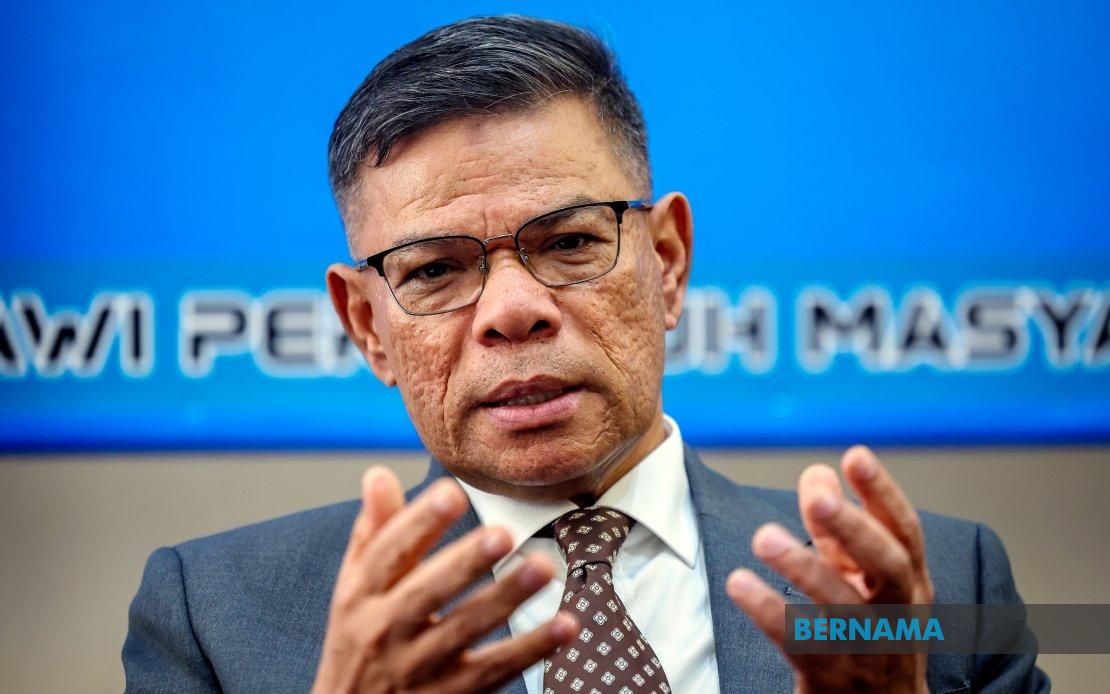
Border authorities managed a steady stream of traffic at Malaysia's two primary land crossing points with Singapore during the 16th Johor state election held on July 11, with Home Minister Datuk Seri Saifuddin Nasution Ismail confirming the smooth operations to the public through official channels. The sultan Iskandar Building and Sultan Abu Bakar Complex, which facilitate the vast majority of vehicular and pedestrian movement between the two nations, handled the anticipated surge without reported incidents or extended delays as approximately 2.6 million eligible voters made their way to polling stations throughout Johor.
The Malaysian Border Control and Protection Agency took preemptive measures well ahead of election day, anticipating that the voting exercise would generate heightened demand at the crossings, particularly from Singaporean-registered vehicles and residents of both countries returning from the island republic. The agency implemented an enhanced operational posture that included the establishment of dedicated fast-track lanes reserved for voters, activation of hybrid processing counters capable of managing both immigration and customs functions simultaneously, and the deployment of contra-flow lane configurations that reversed directional traffic patterns to match expected demand patterns throughout the day.
These special facilitation measures commenced at 12:01 am on July 10 and remained operational through the evening of election day, with heightened staffing levels maintained during peak movement hours. The decision to run the enhanced procedures reflected institutional learning from previous major electoral events and cross-border mass movements, recognising that the concentrated timing of voting—with polls opening at 8 am—would create predictable bottlenecks if standard processing capacity remained unchanged. By pre-positioning additional personnel and opening extra lanes, authorities aimed to prevent the frustration and delays that might discourage cross-border commuters from participating in the democratic process.
The Johor state election represented a significant administrative undertaking across multiple government agencies. The poll saw 172 candidates competing across 56 state assembly constituencies, with the Elections Commission establishing 1,076 separate polling centres nationwide and deploying 4,889 individual voting channels to process the anticipated electorate. The simultaneous opening of all voting facilities at 8 am morning meant that citizens residing in Singapore or other neighbouring jurisdictions needed efficient passage through border checkpoints to arrive at designated voting locations during the designated polling window.
Home Minister Saifuddin Nasution publicly acknowledged the border agency's performance through a post on the X platform, accompanying his statement with a 29-second video recording footage from both crossing points. The visual documentation provided real-time evidence of orderly queues and vehicle movements, serving both as confirmation of actual conditions and as reassurance to the broader public that no systemic bottlenecks had developed. This transparent communication approach helped counter potential misinformation and demonstrated the government's confidence in its border management capabilities during a nationally significant event.
The smooth operation of border crossings held particular significance for the cross-border communities that have historically maintained strong ties across the causeway. Thousands of Malaysians work, study, or maintain business interests in Singapore, while reverse migration patterns also occur. The Johor election provided an opportunity for these dispersed communities to participate directly in determining their home state's governance, contingent upon their ability to navigate international borders efficiently within the compressed timeframe that election day imposed. Complications at crossing points could have effectively disenfranchised voters unable to reach polling stations by the close of voting.
The Elections Commission had established a voter participation target of approximately 70 per cent, indicating official expectations that the electoral exercise would generate substantial public engagement. This benchmark reflected the importance of the Johor state election within Malaysia's broader political landscape, as the state holds significant demographic weight and economic importance within the federation. The timely completion of border formalities contributed to the likelihood of achieving this participation target, as smoother crossings directly enabled participation by those residing outside Johor's borders but retaining electoral rights.
The commission's projection that full results might be available as early as 10 pm on election night presumed efficient voting processes throughout the day. The volume of 4,889 polling channels suggested careful planning to prevent queuing within individual voting centres, complementing the border agency's efforts to prevent queuing at international crossing points. Together, these coordinated efforts by multiple government entities created an ecosystem designed to facilitate rather than impede the exercise of democratic rights, a principle of particular importance given the cross-border dimensions of Johor's electorate.
The success of border operations during the Johor election reflected broader improvements in Malaysia-Singapore cooperation on administrative and operational matters. Despite occasional bilateral tensions over specific issues, the two nations maintain well-established protocols for managing high-volume cross-border movement during significant events. The Causeway and the Second Link connecting Johor to Singapore constitute critical infrastructure for regional mobility, and both nations share incentives in maintaining efficient operations that support commerce, tourism, and interpersonal connections.
Looking forward, the smooth execution of border procedures during the Johor state election provided a template for managing cross-border movement during future major events, whether electoral or otherwise. The documented success of enhanced lane configurations and hybrid counter operations offers evidence-based justification for similar measures during subsequent periods of anticipated high demand. Government agencies can leverage this experience when planning for future general elections or other significant events that might draw international participation or involve dispersed constituencies.
The confirmation of smooth operations also reflected positively on the professionalism and preparedness of the Malaysian Border Control and Protection Agency, an institution that frequently operates with limited public visibility despite its critical role in maintaining secure yet efficient movement across Malaysia's boundaries. The home minister's public acknowledgment of the agency's performance through social media represented an unusual moment of transparency regarding border operations, offering citizens insight into the logistical complexity involved in managing one of Southeast Asia's most heavily trafficked international crossing points during conditions of concentrated demand.

