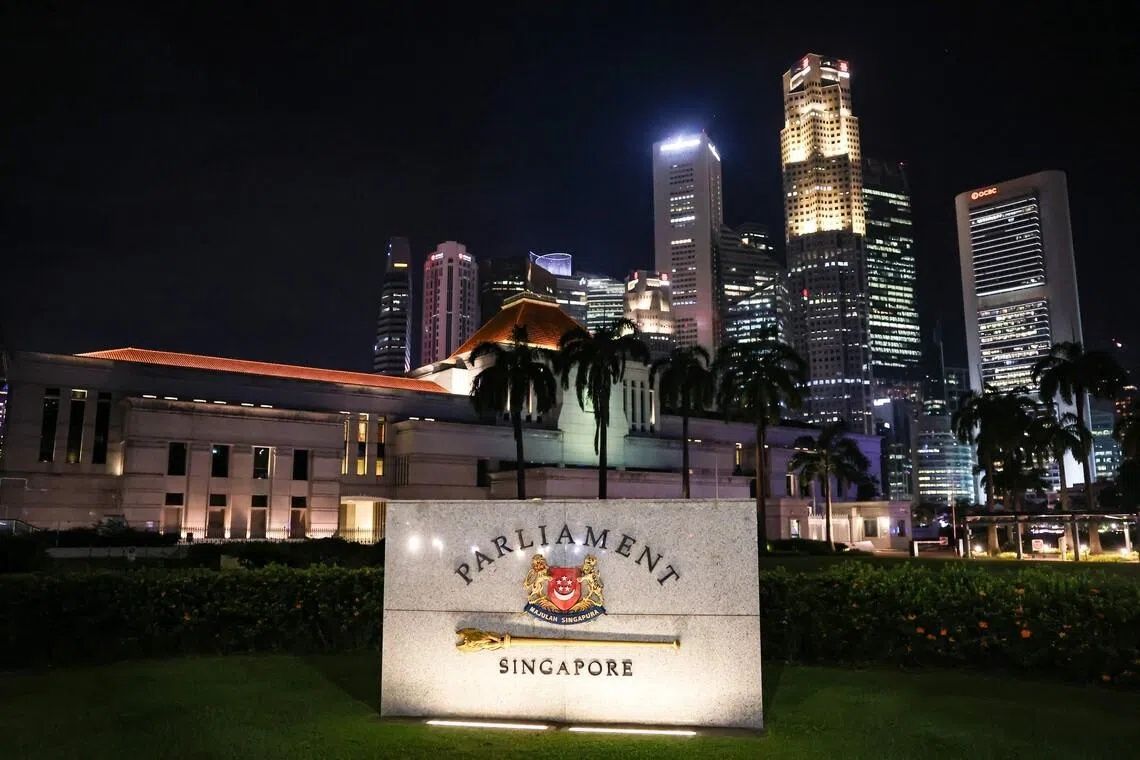
Singapore authorities have moved to prosecute a 40-year-old man accused of perpetrating a pair of bomb hoaxes targeting high-profile government facilities, marking another instance of false security threats disrupting Southeast Asian administrative centres. The suspect is set to face charges stemming from incidents on July 3 and July 7, when the Police and Home Team officials received reports of explosives allegedly placed at critical institutions.
The first incident occurred when the Home Team Science and Technology Agency received an online submission on July 3 claiming a bomb had been planted at its One North facility. The second threat emerged four days later through an anonymous email sent to the Prime Minister's Office, alleging explosives at Parliament House. In both cases, comprehensive security sweeps by police personnel found no suspicious items or genuine threats to public safety, though the incidents nonetheless necessitated substantial emergency responses.
Investigators from the Criminal Investigation Department and Central Police Division determined that a single perpetrator was responsible for both hoaxes. Acting on this intelligence, officers arrested the individual on July 7, the same day the second threat materialized. Electronic devices recovered from his possession are believed to have facilitated the transmission of both false reports, providing investigators with material evidence linking the accused to the communications.
The charges relate to communicating false information regarding a harmful thing, an offence that reflects Singapore's strict approach to security threats and public safety. The legislative framework carries substantial penalties: conviction could result in imprisonment of up to seven years, financial penalties reaching S$50,000, or a combination of both sentences. Such stringent provisions underscore the seriousness with which authorities treat hoax threats, particularly those targeting sensitive government installations where security protocols involve considerable expenditure and personnel deployment.
False bomb threats represent a particularly disruptive category of crime in urban societies where public institutions operate with heightened security awareness. Each hoax compels authorities to initiate full lockdown procedures, evacuate personnel, deploy specialized response teams, and conduct exhaustive building sweeps—all consuming significant resources and operational capacity. The cumulative impact of such incidents strains emergency services and diverts attention from genuine security concerns that warrant focused investigation.
For Malaysia and other Southeast Asian nations with similar governance structures and security challenges, this case illustrates the operational burden and financial consequences of hoax threats against government buildings. Parliamentary complexes and administrative hubs across the region face comparable vulnerabilities, and the proliferation of digital communication channels has lowered barriers to manufacturing and distributing false threats. The Singapore prosecution thus carries broader relevance for regional security frameworks attempting to balance public accessibility with institutional protection.
The recovery of electronic devices from the suspect points to the investigative capacity of modern forensic techniques in tracing digital communications back to originators. Even when threats are transmitted anonymously or through seemingly untraceable channels, digital evidence often leaves detectable signatures that experienced investigators can follow. This reality serves as a deterrent to potential offenders who may underestimate law enforcement capabilities, though public awareness of such investigative prowess remains limited.
Singapore's law enforcement statement emphasizing the resource diversion caused by false threats reflects a calculated messaging strategy common among security authorities. By publicizing the operational costs and public anxiety generated by hoaxes, officials hope to discourage copycat incidents and raise awareness of the consequences. This communicative dimension operates alongside criminal prosecution as part of a comprehensive deterrence approach.
The July timeline suggests these incidents occurred during a routine operational period without apparent political context or external triggering events. This distinguishes them from threat waves sometimes correlated with international incidents or domestic political tensions. The arbitrary nature of the hoaxes—if the perpetrator acted from motives of curiosity, malicious intent, or personal grievance rather than ideological motivation—underscores the unpredictability of such challenges for security planners.
As digital platforms proliferate and anonymity technologies become more sophisticated, governments across Southeast Asia face escalating challenges in managing false security threats. The Singapore case demonstrates that technical capabilities for tracing and prosecuting perpetrators exist within advanced law enforcement systems, yet the underlying phenomenon persists. Addressing root causes—whether through public education, digital platform responsibility measures, or broader social interventions—remains an ongoing strategic imperative for policymakers seeking to reduce the frequency and impact of such incidents on institutional functioning and public confidence.

