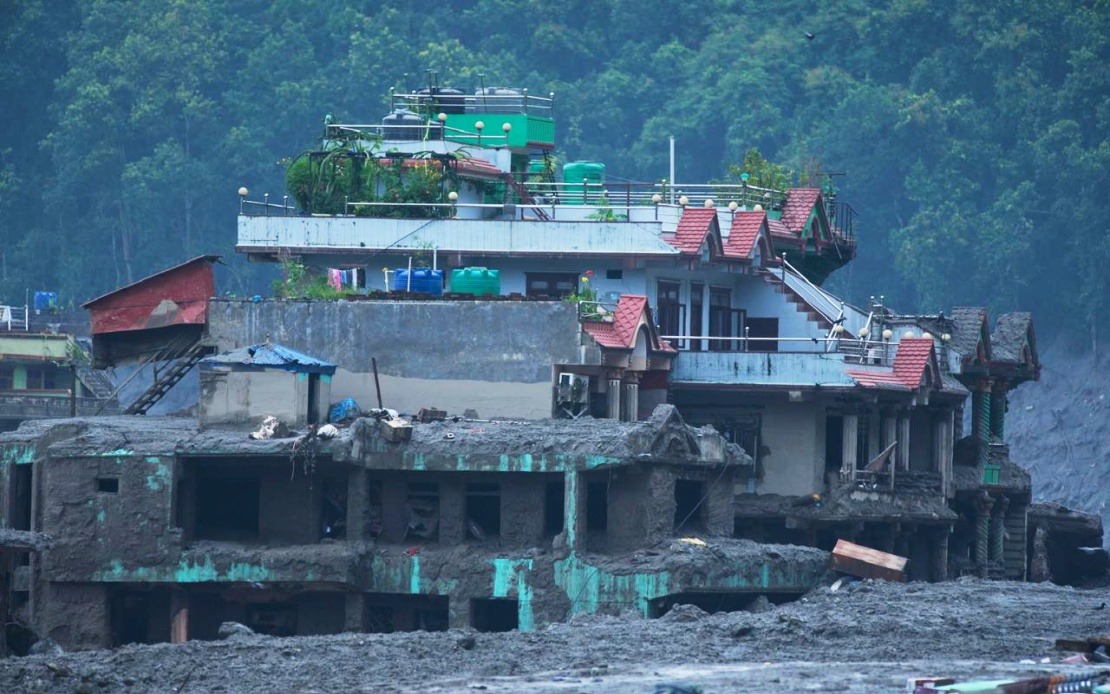
Singapore has activated its diplomatic apparatus in response to catastrophic flash floods that have struck the Nepal-China border region, leaving at least two of its citizens unaccounted for amid a larger group of 47 missing hikers. Prime Minister Lawrence Wong confirmed on Thursday that the Ministry of Foreign Affairs is actively liaising with counterparts in both Nepal and China to provide urgent consular support to affected Singaporeans and their families back home.
The scale of the disaster underscores the unpredictable hazards facing trekkers in the Himalayan region, where sudden weather systems can transform popular hiking routes into life-threatening environments within hours. The missing group represents a multinational contingent that included hikers from Australia, Nepal, the United Kingdom, the United States, and Russia, according to Sagar Pandey, founder and chief executive of Himalayan Glacier Adventures, the trekking company that organised the expedition. This diversity of nationalities means multiple governments are now coordinating rescue and information-sharing efforts across borders.
In his public statement, Wong expressed deep sorrow over the loss of life and the humanitarian toll of the flooding, extending Singapore's sympathies to both the Nepali and Chinese governments as well as the families grieving their loved ones. The Prime Minister's emphasis on coordination with authorities signals Singapore's commitment to leveraging its diplomatic relationships in the region to expedite assistance. The MFA's engagement with next-of-kin demonstrates awareness of the anxiety affecting families waiting for news from the disaster zone.
The Nepali government faces an enormous challenge in coordinating search and rescue operations across challenging mountainous terrain where communication infrastructure is often fragile. Flash floods in the Himalayas are particularly devastating because they strike with minimal warning and can sweep away hikers, equipment, and temporary shelters with tremendous force. The involvement of Chinese authorities adds complexity to the response, as the affected areas span both nations' territories, requiring cross-border coordination that may be hindered by geographical and administrative barriers.
Recognising the fluid and dangerous situation on the ground, Singapore's Ministry of Foreign Affairs has issued a detailed advisory cautioning all Singaporeans currently in Nepal to exercise heightened vigilance and comply strictly with local directives. The advisory specifically identifies five districts—Rasuwa, Nuwakot, Dhading, Gorkha, and Chitwan—as areas where Singaporeans should avoid travel entirely until conditions stabilise. This targeted geographical guidance reflects official assessments that certain regions remain at acute risk.
Beyond the immediate flood zone, the advisory warns of secondary hazards that will persist long after the initial floodwaters recede. Infrastructure damage including compromised roads, disrupted transport networks, and severed communication lines could impede rescue efforts and isolate stranded individuals. The breakdown of essential services such as water supply, electricity, and medical facilities in affected communities will compound the humanitarian crisis. Singaporeans planning journeys throughout Nepal are urged to monitor weather forecasts and check road conditions before departing.
The instruction to avoid proximity to rivers, riverbanks, bridges, and low-lying areas reflects hydrological realities that extend beyond the initial flood event. Secondary flooding, debris flows, and the instability of riverbanks saturated by water remain acute dangers in post-flood environments. These preventive measures aim to reduce the likelihood of additional casualties among visitors in the days and weeks following the initial disaster.
For Malaysia and other Southeast Asian nations with citizens potentially in Nepal, this incident serves as a sobering reminder of the risks inherent in high-altitude trekking in the Himalayas. The mountainous terrain that attracts adventure tourists also creates conditions where rescue operations are exceptionally difficult and dangerous. Climate change is intensifying extreme weather events in the region, potentially increasing the frequency and severity of flash floods that strike hiking routes with little warning.
The tragedy also highlights the importance of travel insurance, emergency communication devices, and thorough pre-departure briefings for trekkers venturing into remote mountain regions. Tour operators and individual hikers should maintain updated contact protocols with their home governments and ensure that detailed itineraries are filed with embassies before departure. Such preparations could prove critical in accelerating identification and location of missing persons in future incidents.
Singapore's diplomatic engagement in this crisis demonstrates the interconnected nature of modern travel and the expectations that governments will actively advocate for their citizens abroad. The coordination between Singapore, Nepal, and China sets a precedent for regional cooperation in disaster response. As investigations progress and the full scale of casualties becomes clear, the focus will shift toward understanding what warning systems existed, whether they functioned adequately, and what improvements might prevent similar tragedies in future trekking seasons in the Himalayan region.

