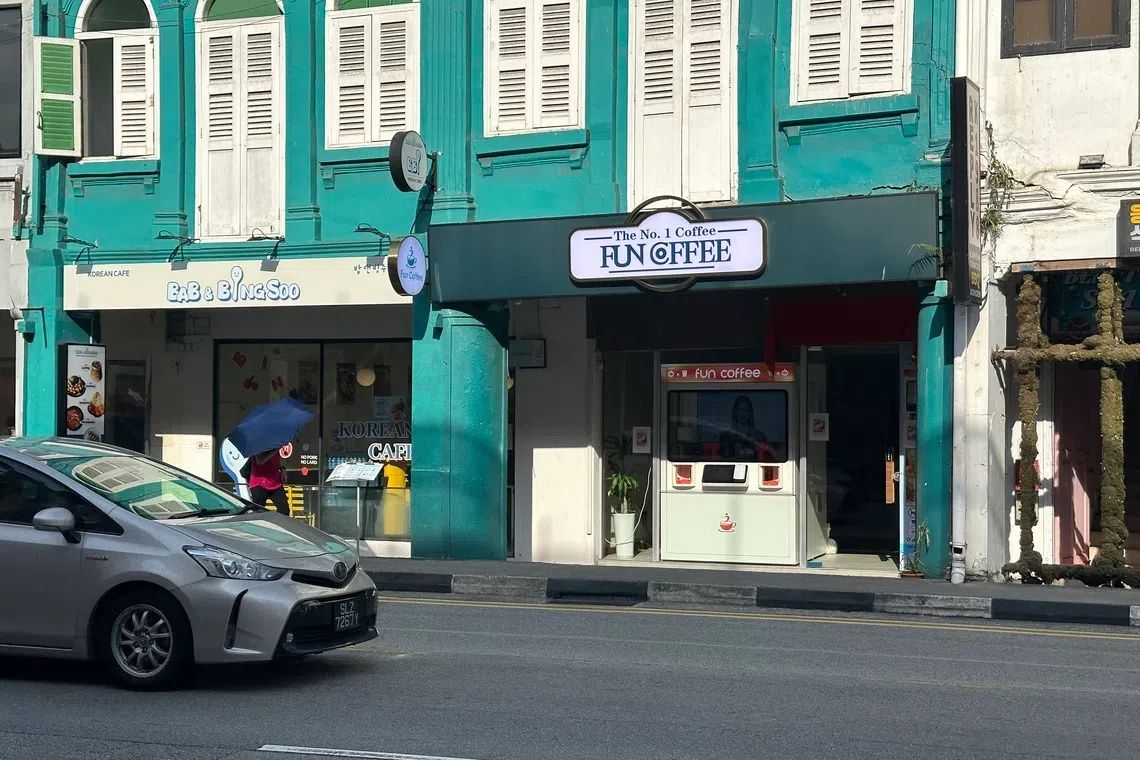
Police in Singapore have arrested a 49-year-old woman connected to Fun Coffee, an investment platform that has left participants across multiple Asian jurisdictions unable to access their funds. The arrest, made on August 6, represents a significant enforcement action against what authorities characterise as a scheme combining elements of pyramid selling with cryptocurrency-based investment promises. The woman faces charges under Singapore's Multi-Level Marketing and Pyramid Selling (Prohibition) Act, which carries penalties of up to five years imprisonment, fines reaching $200,000, or both upon conviction.
According to police statements released on August 8, the arrested woman had actively worked to promote and expand the Fun Coffee scheme by recruiting new participants into its network. This recruitment drive constitutes a core element of the investigation, as authorities examine how the platform built its user base across the region. The operational model required participants to download a mobile application, through which they would transfer Tether (USDT)—a cryptocurrency designed to maintain parity with the US dollar—into wallet addresses accessible only via the app. This reliance on digital assets and private wallet systems created barriers to fund recovery and made it difficult for authorities to trace transaction flows.
The investment proposition itself featured characteristics common to fraudulent schemes: promises of returns substantially exceeding what legitimate investments could reasonably offer, coupled with financial incentives for recruiting additional members. Participants attracted new investors with the prospect of earning commissions based on their recruits' deposits and investment performance, a structure that inherently favours early participants while creating unsustainable obligations for later joiners. However, the fundamental problem emerged when users discovered they could no longer withdraw their invested funds through the Fun Coffee application, trapping capital and exposing the scheme's inability or unwillingness to honour redemptions.
Fun Coffee operates ostensibly from Phu Quoc in Vietnam, where it claims to maintain assets exceeding US$1 billion and employ a team surpassing 5,000 personnel. The platform markets itself as a "lifestyle brand combining coffee, wellness and digital innovation into a community experience," blending legitimate-sounding commercial activity with investment opportunities in a manner designed to confer credibility. This positioning—combining tangible consumer goods like coffee with digital financial products—creates ambiguity about the enterprise's true nature and primary revenue sources, a common tactic employed by fraudulent schemes seeking to appear operationally legitimate.
The impact of the scheme extends across East and Southeast Asian financial centres. In Hong Kong and Macau alone, authorities arrested eight individuals connected to Fun Coffee operations within a single week, and approximately 200 victims reported losses totalling nearly HK$100 million. These figures underscore the scheme's scale and its cross-border penetration into major financial hubs. One Singapore victim invested approximately $400,000 into the platform and remains unable to recover any portion of this capital, illustrating the devastating personal consequences for individuals who fell victim to the investment promises.
Fun Coffee established operations in Singapore sometime during 2025, establishing a registered office at 202 Jalan Besar. When investigators visited this address on August 7, they discovered a coffee vending machine positioned at the entrance, complete with handwritten instructions directing customers to scan a QR code for payment. This physical manifestation of the "coffee" component illustrates how the scheme integrated minimal legitimate business activity with its core cryptocurrency and recruitment-based operations. The vending machine served simultaneously as marketing material and operational cover, allowing the enterprise to present a facade of ordinary commercial activity.
The mechanics of fund transfer within the scheme included several warning indicators that authorities emphasise for public awareness. Requests for payments through private PayNow QR codes, personal mobile telephone numbers, or overseas bank accounts represent significant red flags, as these channels circumvent institutional oversight and create direct personal financial relationships between victims and perpetrators. The use of such informal transfer methods, combined with the reliance on cryptocurrency wallets inaccessible to legitimate fund recovery efforts, demonstrates sophisticated consideration of how to inhibit regulatory intervention and asset recovery.
Singapore's authorities have issued explicit warnings urging the public to cease all financial interactions with Fun Coffee, whether initiated directly by scheme representatives or through requests embedded within the app interface itself. This guidance reflects ongoing law enforcement concerns that existing participants, hoping to recover portions of their investments or achieve promised returns, might continue transferring funds despite mounting evidence of the scheme's non-viability. The instruction to view private QR code payment requests with suspicion provides practical guidance applicable beyond this specific case to numerous contemporary financial fraud schemes.
The regional dimension of this enforcement operation highlights how investment scams exploit borderless digital infrastructure and cryptocurrency ecosystems to operate across jurisdictions with varying regulatory capacity. Coordinated arrests in Singapore, Hong Kong, and Macau suggest developing information-sharing and cooperative enforcement mechanisms among Asian law enforcement agencies. However, the ability to recover victim funds remains limited, particularly given that cryptocurrency transfers and offshore banking channels complicate asset tracing and repatriation efforts that rely on traditional institutional banking frameworks.
For Malaysian investors and residents, this case presents instructive lessons about the mechanisms through which contemporary fraud schemes operate. The combination of unrealistic return promises, multi-level recruitment structures, reliance on cryptocurrency for transfers, and physical business facades to confer legitimacy represents a documented pattern repeated across numerous platforms targeting Southeast Asian investors. The psychological appeal of such schemes—offering pathways to substantial wealth while leveraging community and social trust through personal recruitment networks—requires sustained financial literacy and scepticism regarding investment offers that diverge significantly from market-standard returns.
The enforcement action against Fun Coffee and its operators reflects heightened regulatory attention to pyramid and multi-level marketing schemes that leverage digital assets and online recruitment platforms. Regulators across Southeast Asia are increasingly recognising that traditional enforcement mechanisms require adaptation to address schemes incorporating cryptocurrency components, cross-border operations, and sophisticated digital marketing infrastructure. As these platforms evolve, regulatory frameworks and public awareness must similarly advance to protect vulnerable investors from elaborate deception strategies.

