Singapore's tourism authority is betting on affordable transport incentives to drive visitor numbers during the critical final quarter, unveiling a partnership with ride-hailing giant Grab that provides travellers with discount vouchers across the city-state's most popular districts. The scheme, announced jointly by the Singapore Tourism Board and Grab on August 11, will run through October and aims to capitalise on major events including the Formula 1 Grand Prix and the Singapore River Festival to deepen engagement with international guests.
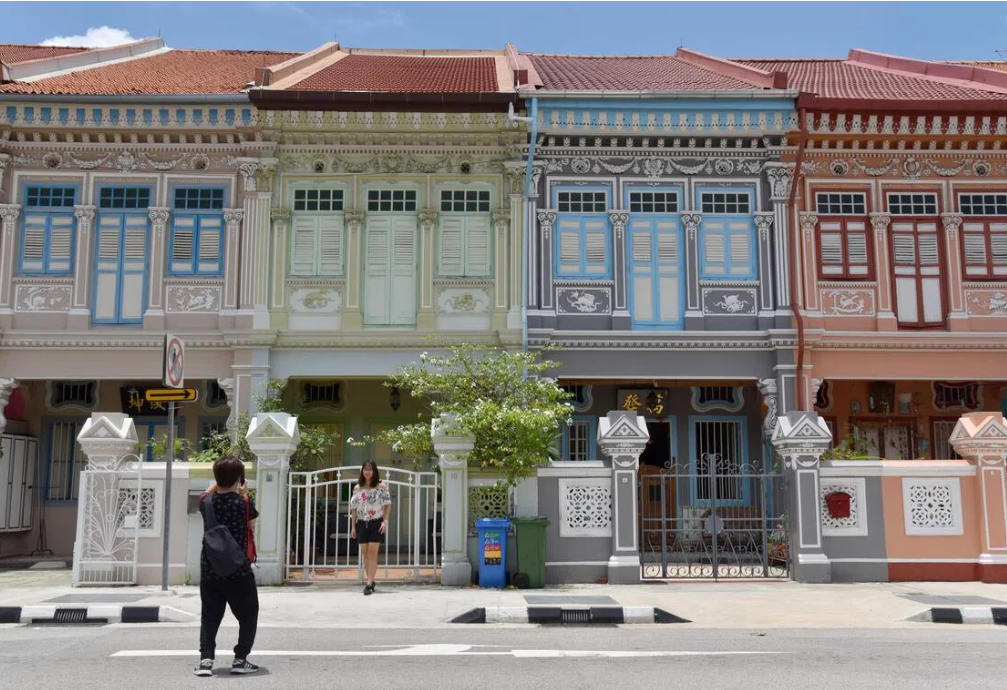
The promotional mechanics work through Grab's existing travel pass ecosystem, a bundled discount product that already covers transport, dining, and activities. Incoming tourists who register for the Singapore Grab Travel Pass receive two separate vouchers designed to funnel visitors toward specific precincts. The first offers a 20 per cent reduction on journeys to and from Katong-Joo Chiat, Tiong Baru, Mandai and Sentosa, with each customer able to redeem it twice. This structure nudges travellers toward neighbourhoods that tourism officials believe showcase authentic local culture and heritage, areas that might otherwise be overlooked in favour of more obvious landmarks.
The second voucher targets Singapore's nocturnal economy, providing a one-time 20 per cent discount on any Grab ride between 7pm and 4am to or from Holland Village, Clarke Quay, Boat Quay and Robertson Quay. This after-dark incentive reflects a deliberate strategy to extend visitor spending beyond daylight hours and activate the city's entertainment and hospitality sectors during peak trading times. The timing of the campaign deliberately intersects with the Formula 1 Grand Prix scheduled for October 2 to 11 and the Singapore River Festival from September 11 to 20, both events that historically draw substantial tourist volumes to the island.
Grab Singapore's managing director Alejandro Osorio framed the partnership as an opportunity to present the city as a collection of distinct experiential zones rather than a monolithic destination. His commentary emphasised how different precincts offer varied attractions, from gastronomic and cultural exploration in heritage enclaves to leisure activities at themed venues like Mandai and Sentosa. This neighbourhood-centric positioning reflects broader tourism industry evolution toward deeper, more authentic traveller experiences rather than quick transactional sightseeing. The discount structure essentially creates a guided discovery mechanism, using financial incentives to encourage exploration patterns that benefit multiple stakeholder groups including transport operators, retailers, and hospitality businesses.
The Singapore Tourism Board's executive director for South-East Asia Terrence Voon signalled that the campaign represents part of a coordinated effort to position Singapore competitively within the regional tourism marketplace. His reference to Grab's reach across South-East Asia underscores how the partnership leverages digital infrastructure and consumer familiarity within surrounding markets to drive cross-border visitation. Rather than relying solely on traditional tourism marketing channels, the board is embedding promotional messaging into the transport application ecosystem that regional travellers already use regularly, maximising penetration among digitally engaged audiences.
The voucher distribution strategy targets digital advertising across nine key markets including China, Indonesia, Thailand and Vietnam, with advertisements customised for each jurisdiction's specific consumer preferences and travel patterns. Upon arrival in Singapore, tourists can access the travel pass and associated discount vouchers directly through the Grab application, removing friction from redemption and enabling spontaneous decision-making about which precincts to visit. This seamless integration between promotion, booking, and payment represents a departure from traditional voucher schemes that required separate registration or intermediary steps.
This initiative represents the latest phase of Singapore's broader tourism rejuvenation strategy. In February, the Tourism Board launched the "We don't wait for fun" campaign specifically targeting younger travellers aged 25 to 39 across nine markets. That campaign highlighted lesser-known destinations including New Bahru and Joo Chiat, reflecting recognition that younger international visitors increasingly prioritise discovering hidden neighbourhoods over established tourist infrastructure. The current Grab partnership essentially extends this same philosophy into the post-arrival phase, using transport incentives to steer visitors toward the same authentic, neighbourhood-oriented experiences that attracted them initially.
Singapore's tourism performance metrics demonstrate the sector's increasing importance to the broader economy. In 2025, international visitor arrivals reached 16.9 million, representing modest growth from 16.5 million in 2024, while tourism receipts climbed to an all-time high of $32.8 billion. These numbers underscore how crucial incremental increases in visitor volume translate into substantial economic activity. The Tourism Board projects that by 2026, arrivals will expand to between 17 million and 18 million visitors, with spending potentially reaching $31 billion to $32.5 billion, suggesting an expected slowdown relative to 2025's record performance but still representing healthy sector expansion.
Minister Grace Fu's announcement in May of a $740 million investment in tourism infrastructure over five years contextualises these promotional campaigns within a wider capital allocation strategy. The funding injection signals government confidence in tourism's long-term economic contribution while also suggesting recognition that the sector requires ongoing investment and innovation to maintain competitive advantage against rival regional destinations. Discounted transport vouchers represent a relatively low-cost marketing intervention compared to capital infrastructure projects, yet their accessibility to tourists and ease of deployment make them effective tools for manipulating visitation patterns and extending per-trip spending.
For Malaysian readers, this initiative holds several implications. Firstly, Singapore's aggressive pursuit of regional tourism growth creates competitive pressure on Malaysia's own tourism sector, necessitating similarly innovative promotional strategies to retain regional visitor share. Secondly, the demonstrated effectiveness of ride-hailing partnerships in tourism marketing offers a potential model for domestic tourism boards working with transport providers like Grab, Gojek, and other platforms operating across Malaysia. Thirdly, Singapore's success in channelling tourists toward neighbourhood-based experiences rather than theme parks or shopping centres reflects broader global travel trends toward authenticity and localisation, trends that could advantage Malaysia's diverse regional offering if effectively marketed.

