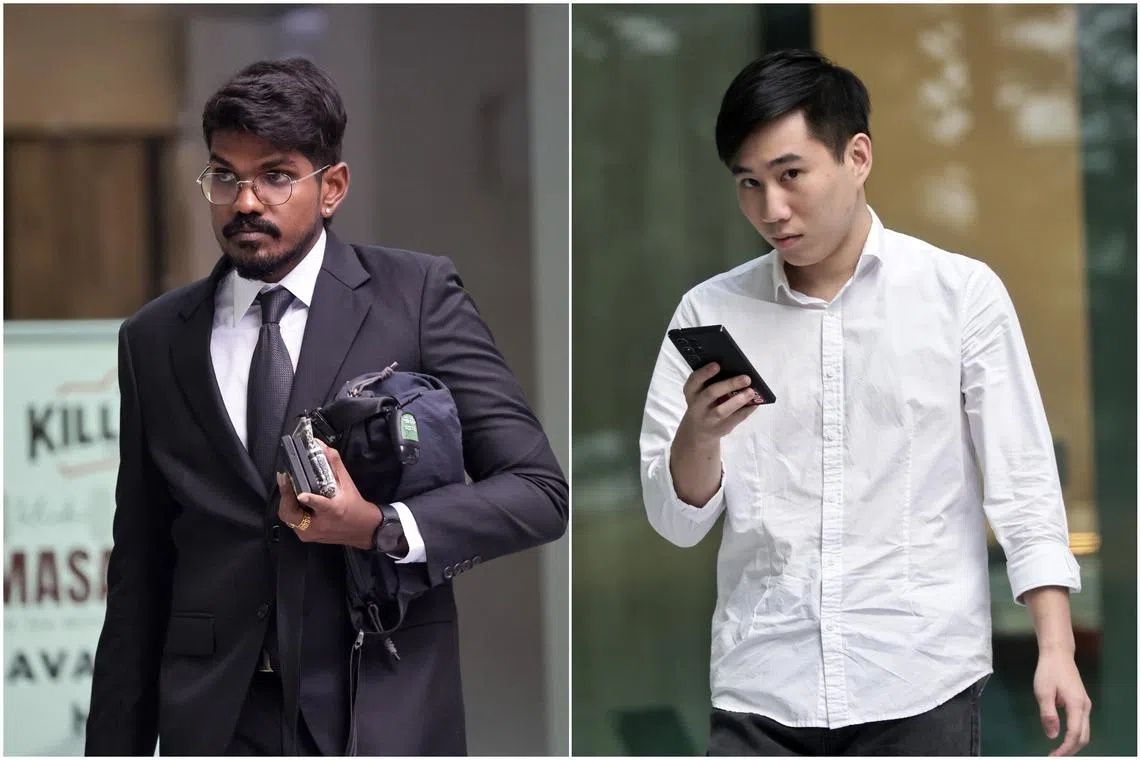
A Singapore Traffic Police officer has been sentenced to 16 months' imprisonment after he unlawfully accessed his workplace computer systems and disclosed sensitive information to a personal acquaintance, in a case that exposes serious vulnerabilities in how law enforcement personnel handle citizen data. Shivasuria Maniam Kesaval, 29, was convicted of four counts of computer misuse and one count of breaching the Official Secrets Act following a full trial, with District Judge Lim Tse Haw delivering the verdict on Thursday.
The chain of events began when a woman reported her former partner, Brayden Ong Ying Shan, 25, to authorities for operating a vehicle without a valid driving licence. Shivasuria and Ong had maintained a friendship since 2019, with Ong being well aware of his friend's position within the Traffic Police organisation. When Ong's vehicle was impounded on July 12, 2022, following the woman's complaint and subsequent enforcement action by two of Shivasuria's colleagues, he immediately contacted Shivasuria to report what had happened.
This phone call triggered a deliberate campaign by Shivasuria to uncover the identity of the whistleblower. Between July 14 and July 26, 2022, the officer conducted multiple unauthorised searches through the Ministry of Home Affairs' computer systems, extracting the woman's personal details and accessing the original police report filed against Ong. The systematic nature of these searches demonstrates this was not a momentary lapse in judgment but a premeditated effort to compromise a citizen's safety and privacy for personal reasons.
Shivasuria then repeatedly met Ong during this period and shared the intelligence he had gathered. Critically, he informed Ong of the exact date the first incident report was lodged, enabling Ong to deduce with certainty that the woman was his accuser. This act of betrayal would have immediate and alarming consequences. On July 15, 2022, merely 24 hours after receiving this information, Ong sent the woman a threatening message stating he would "murder" whoever had reported him to police and accompanied the threat with a photograph of Shivasuria while boasting, "I got a TP friend that is high ranking."
The menace escalated further when Ong demanded that the woman provide the names of her family members, making clear he intended to have Shivasuria perform database checks on them to identify alternative suspects. This escalation transformed Shivasuria's data breach from a privacy violation into a catalyst for criminal intimidation and potential violence. The woman, fearing for her safety and that of her family members, lodged a separate police report in late July 2022.
Ong was separately convicted of criminal intimidation and an Official Secrets Act violation. However, his legal accountability remains incomplete. On June 2, following his conviction, Ong fled Singapore by boat, evading sentencing. Deputy Public Prosecutor Jeremy Bin informed the court on July 2 that a warrant for Ong's arrest has been issued, though his whereabouts remained unknown at the time of reporting. A review hearing was scheduled for July 14 to address his absence.
The conduct revealed in this case demonstrates how a single officer's breach of institutional trust can enable harassment and threaten public safety. Shivasuria's actions violated multiple legal frameworks designed to protect both citizen privacy and national security. His exploitation of his position to benefit a personal friend represented a fundamental corruption of law enforcement authority. The case also illustrates why robust access controls, audit trails, and oversight mechanisms remain essential safeguards within government systems that hold sensitive personal information.
During sentencing submissions, Deputy Public Prosecutor Jeremy Bin urged the court to impose 16 months and seven days in prison, emphasising that Shivasuria had demonstrated no remorse for his actions. The judge ultimately imposed a sentence of 16 months, slightly below the prosecution's request. Shivasuria, who appeared without legal representation, submitted written mitigation that was not read aloud in court, telling the judge he had nothing further to add—a stance that seemed to confirm the prosecutor's assessment regarding his lack of contrition.
Shivasuria had been suspended from his position in August 2022 while investigations proceeded. His sentencing closes one chapter of this incident but underscores important governance questions. For Malaysia and other Southeast Asian nations with similar police and civil service structures, the case provides cautionary lessons about implementing and enforcing strict data protection protocols, ensuring transparency in system access, and maintaining accountability mechanisms that can detect and deter misuse before breaches cause public harm.
The incident also raises broader questions about institutional culture within law enforcement. When an officer believes he can help a friend obtain government intelligence without serious consequences, it suggests insufficient awareness of legal obligations and ethical standards. Comprehensive training on Official Secrets Act provisions, data protection responsibilities, and the serious consequences of breaches should form core elements of police recruitment and ongoing professional development across the region.

